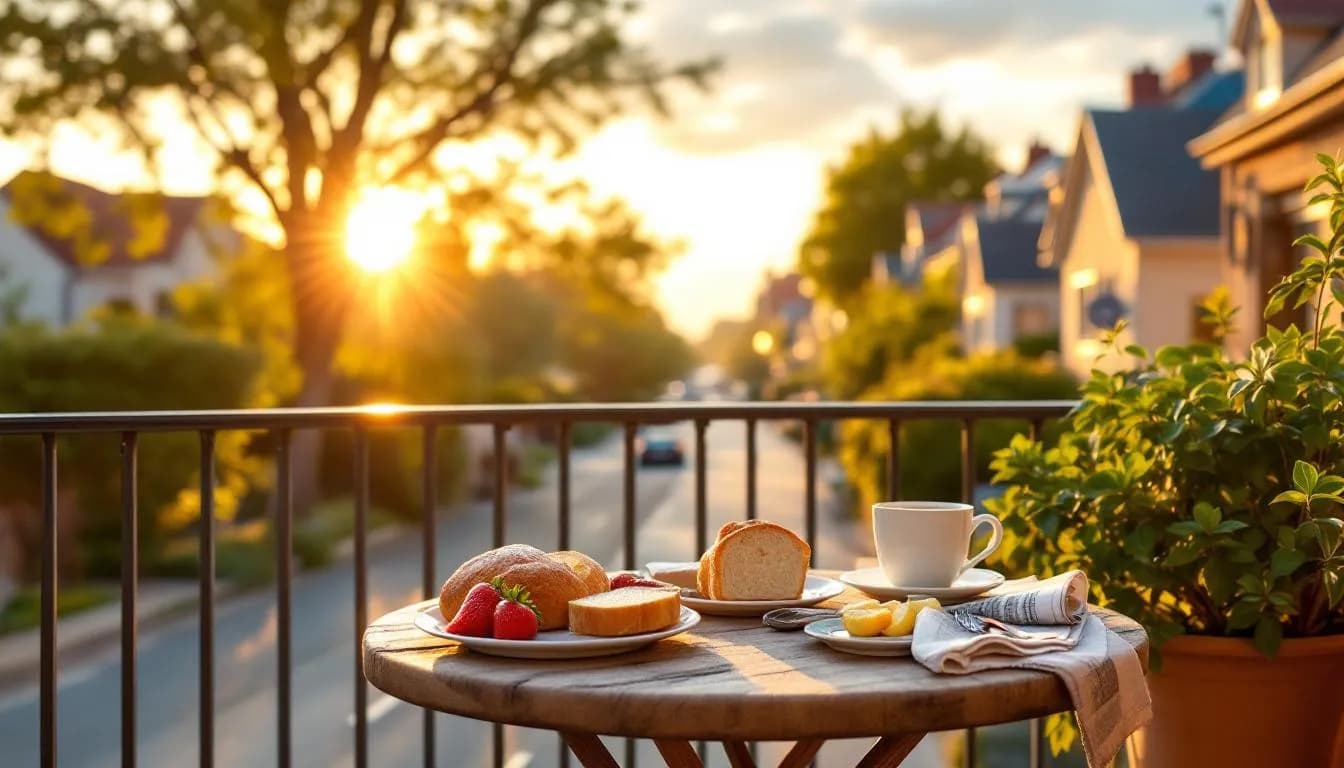
The retirement-abroad pitch usually involves more — more space, more sunshine, more house for your dollar. And you can often afford a larger place overseas than you could back home. But more space also means more rent, more maintenance, more stuff, and less freedom to move if things don't pan out.
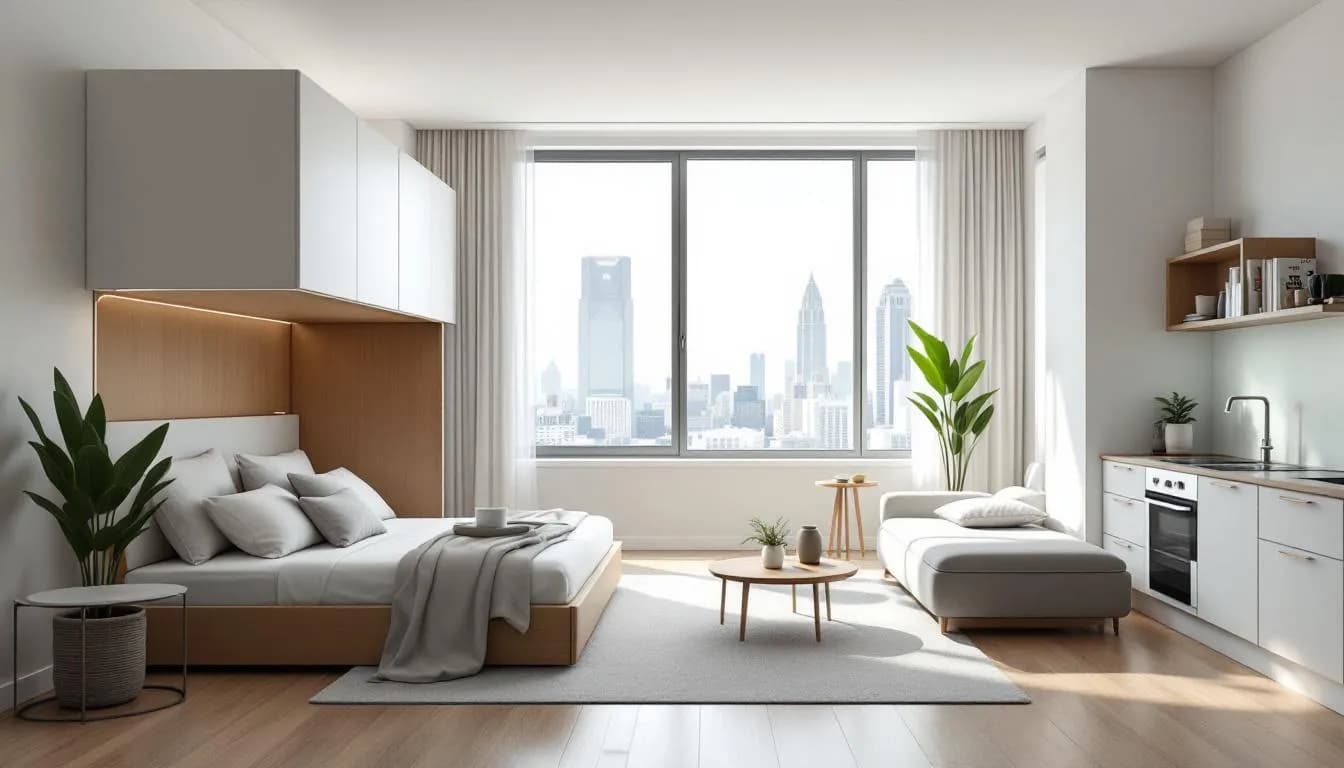
A smaller place can actually give you more of what retirement is supposed to be about. Here's when downsizing makes sense — and when it doesn't.
A Smaller Place Keeps Your Options Open
If you're still figuring out where you want to land, a small furnished apartment is the smarter starting point. A one-bedroom in Mexico City runs around $746/month. You can try a neighborhood, decide it's not for you, and move on without much pain.
That flexibility disappears fast when you've signed a long lease on a three-bedroom or bought a place that needs furnishing. The retirees who struggle most in the first year are usually the ones who committed to too much space before they really knew the country.
Start small. It's much easier to upsize once you know where you want to be than to unwind a big commitment you made too soon.
The Real Cost Difference
The savings go beyond rent. Smaller places cost less to cool in Thailand's heat or warm through a Portuguese winter. In the Philippines, utilities for a one-bedroom run around $111/month — a studio will come in less. And in most furnished apartments across Southeast Asia and Latin America, you're skipping the cost of buying furniture entirely.
- Lower rent — often 30-40% less than a comparable larger unit
- Smaller utility bills year-round
- Less furniture to buy, ship, or replace
- Lower security deposits and move-in costs
In European and Latin American buildings, condo fees often cover water, maintenance, and sometimes internet. Ask what's included before you sign — it can make a smaller unit significantly more cost-effective than the rent number alone suggests.
Maintenance Is a Bigger Deal Than You'd Think
Dealing with home repairs abroad is harder than it sounds. You don't know the reliable contractors yet. Hardware stores don't carry the same brands or fittings you're used to. Working through a repair issue in a second language adds friction to everything.
In an apartment, most of that falls on the landlord or building management. The water heater dies? You make a call. The pipes back up? Not your problem. That matters more than people expect when the whole point of retirement is enjoying life, not managing a property.
Smaller Usually Means Better Location
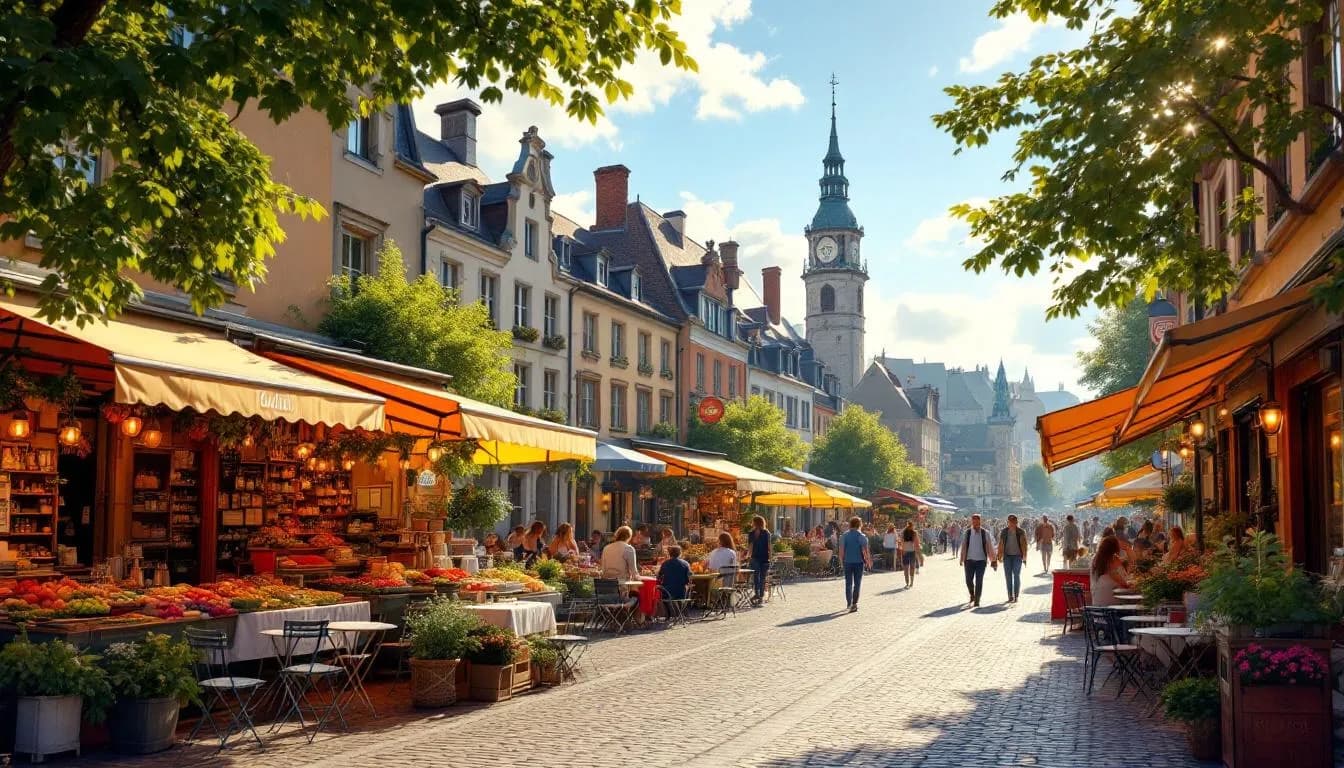
Compact apartments tend to sit in denser, more walkable neighborhoods. In cities like Lisbon, Medellín, or Chiang Mai, a smaller place puts you within easy reach of markets, pharmacies, cafes, and transit. A larger home often means a quieter suburb — which also means a car.
Being walkable to daily life matters more as you get older. Even if mobility isn't a concern right now, being close to a grocery store, a doctor, and a pharmacy is worth a lot. Central locations tend to age better with you than car-dependent ones.
When Downsizing Doesn't Work
A smaller place isn't the right call for everyone. Be honest about what you'll actually use — not what sounds good in theory.
- You have family or guests staying for weeks at a time, not just a long weekend
- You have hobbies that need real space — a workshop, a studio, a home gym
- You're settled and plan to stay in one place for years
- You genuinely enjoy maintaining a home and having a garden
That guest bedroom sounds appealing until you realize people visit twice a year for four days. A home office seems essential until you remember you're retired. Think about how you'll actually spend your days — not how you imagine them in the brochure version of retirement.
Ready for the next step?
Check out our country-specific guides to see exactly how to apply these steps in your dream destination.
Browse Country Guides