Ask someone who's been living abroad for a year what they love most, and they rarely lead with the rent. The spreadsheet got them curious. What keeps them there is harder to quantify - the pace, the routine, the way a regular Tuesday feels different.
Here's what retirees consistently say they appreciate most about daily life once they've made the move.
Mornings Feel Different
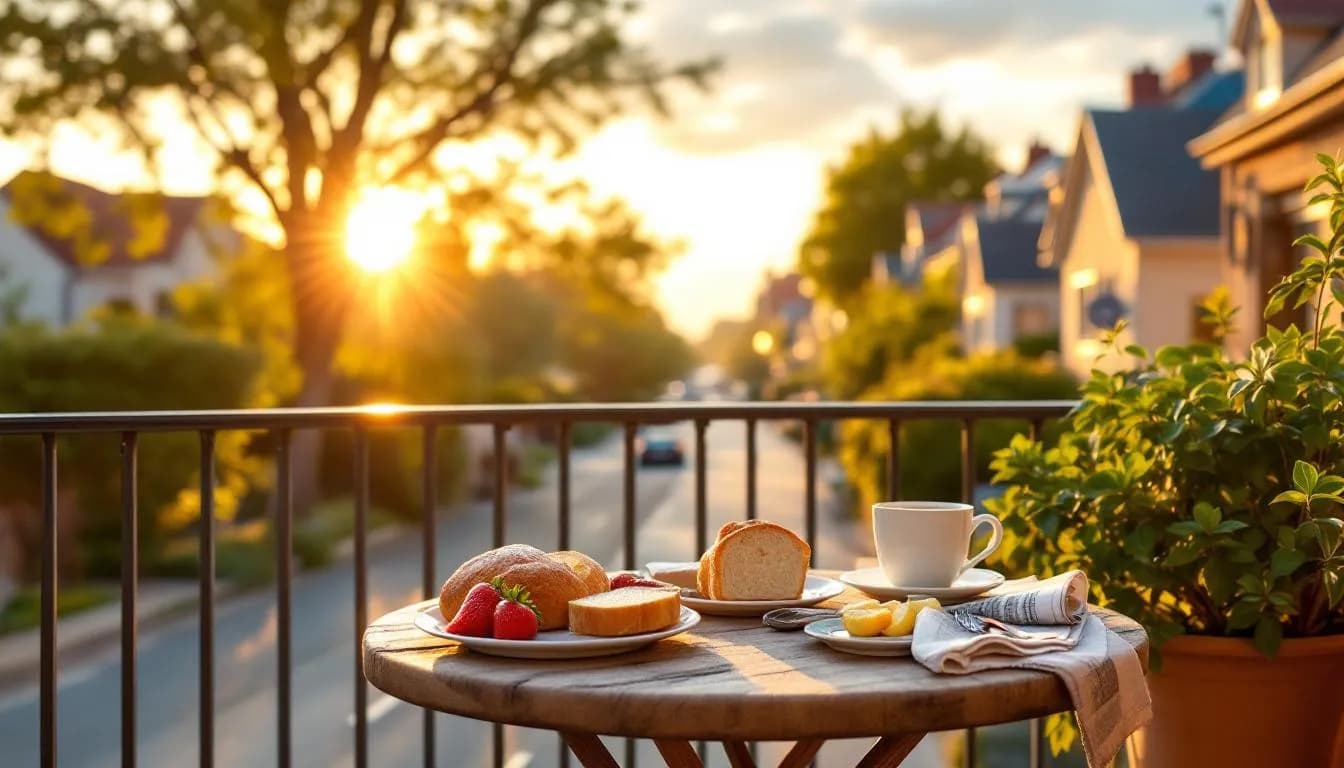
Not slower - just less pressured. You wake up, make coffee, maybe walk to a bakery. There's no commute, no calendar that starts at 7 a.m. In places like Portugal or Ecuador, this is just how locals start their day too. You're not opting out of something. You're joining it.
That shift - from feeling like you're wasting time to feeling like you're actually living it - is one of the first things retirees notice. It sounds small. It isn't.
You Walk More Without Trying
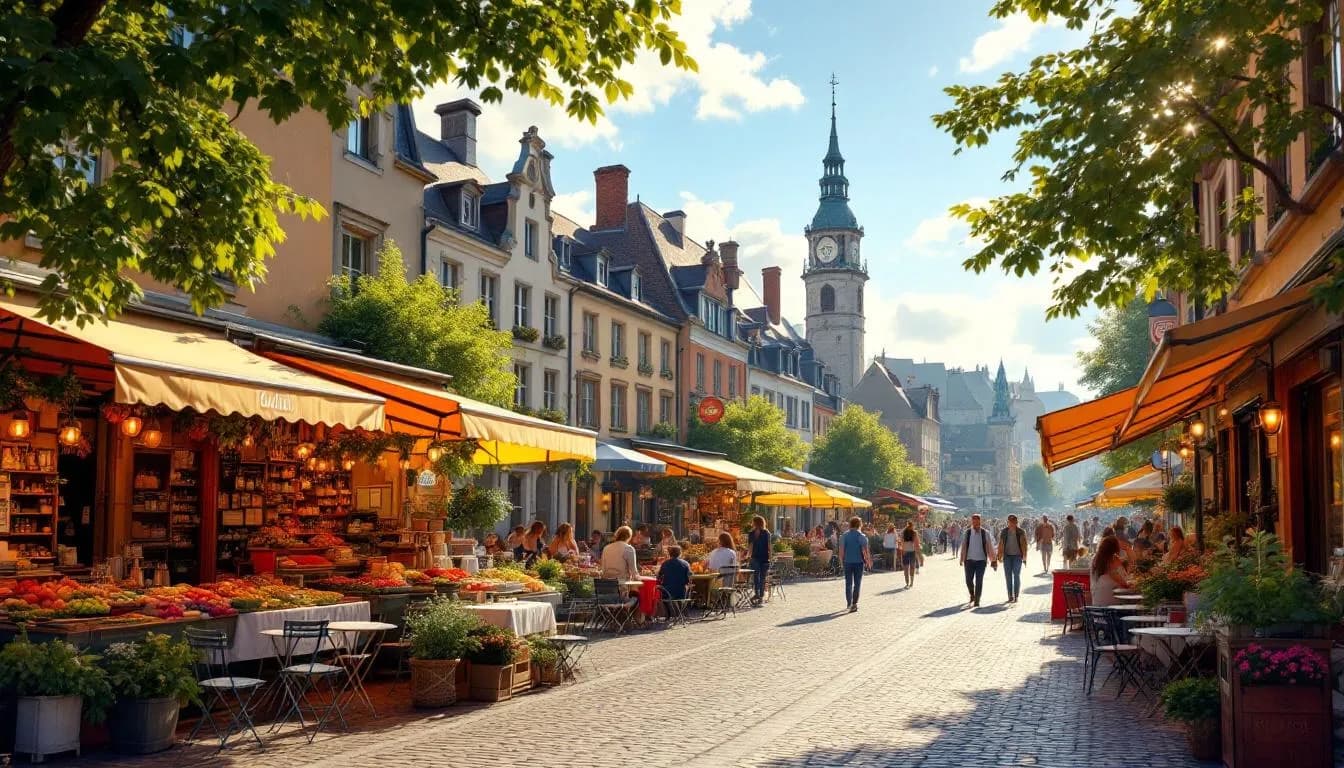
Many popular retirement destinations are built for walking. Cities like Cuenca in Ecuador, Ljubljana in Slovenia, and Chiang Mai in Thailand have groceries, pharmacies, and cafes within a 10-15 minute stroll. You get daily movement without scheduling it.
- You notice your neighborhood - the corner shop, the fruit vendor, the dog that always barks
- You bump into people and have small conversations instead of being isolated in a car
- Where public transit exists - like in Poland or Japan - monthly passes typically run under $50
Trading a car payment and insurance for a metro card is a real quality-of-life shift. Less money out, more time outside.
Daily Errands Become Social
When you shop at the same fruit stand or corner store enough times, they start to recognize you. You pick up a few words in the local language. They appreciate the effort. Over time, those small exchanges add up to something that actually feels like community.
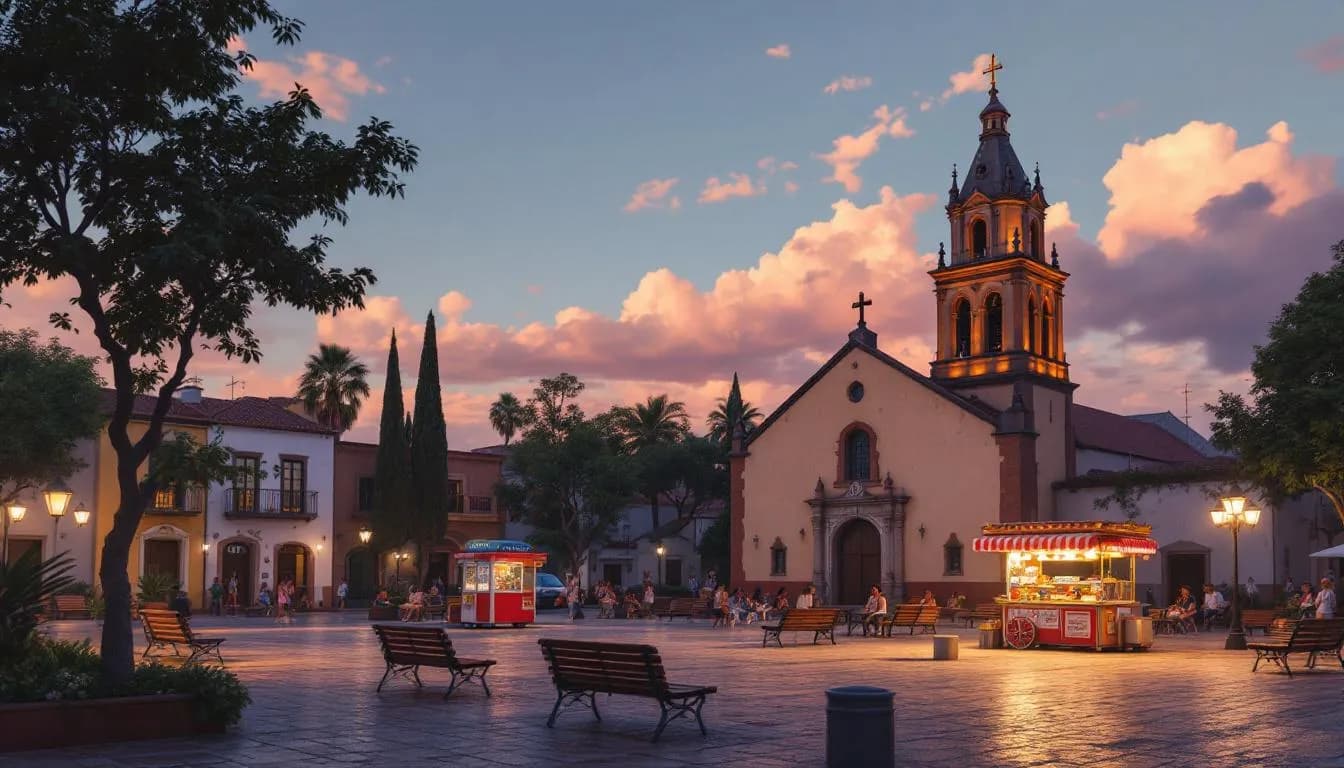
This happens in markets in Mexico, neighborhood shops in Vietnam, bakeries in France. The common thread is that errands stop feeling like chores and start feeling like part of a routine that connects you to where you live.
Learning even basic greetings in the local language makes a real difference in how you're received. It shifts interactions from tourist-local to neighbor-neighbor - and that shift matters more than you'd expect.
Less Stuff, More Time Outside
Most retirees abroad live with less than they had in the U.S. - smaller apartments, fewer belongings, simpler setups. Most say they don't miss what they left behind. There's something freeing about not managing a house full of things you never use.
Rent for a one-bedroom in the city center averages around $381 in Ecuador, $500 in Thailand, and $743 in Slovenia. You're paying for the space you actually live in. And because apartments are smaller, daily life naturally moves outside - to cafes, parks, and plazas. That's where things happen anyway.
You Can Actually Afford to Do Things
When your monthly costs are lower, the math on everything else changes. Dining out at local spots runs $55–$285 per month depending on the country. A weekend trip doesn't require a financial decision. Hobbies that felt like luxuries back home become regular parts of your week.
- Language classes, hiking groups, cooking courses - affordable and easy to find
- Expat communities in most cities organize regular activities, which helps with structure and meeting people
- You can say yes to things without checking your account balance first
This isn't about being retired and bored. It's about having the flexibility that most people spend their whole careers working toward - and actually using it.
Ready for the next step?
Check out our country-specific guides to see exactly how to apply these steps in your dream destination.
Browse Country Guides