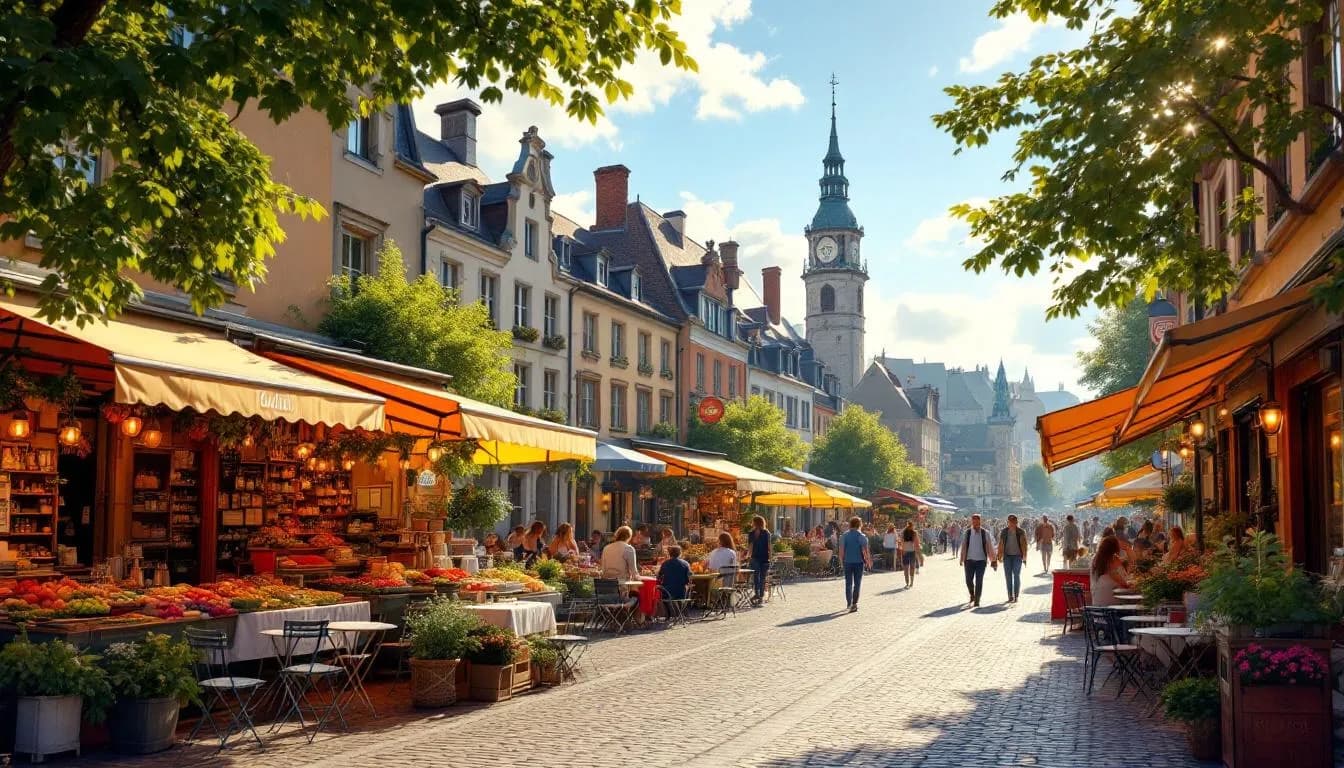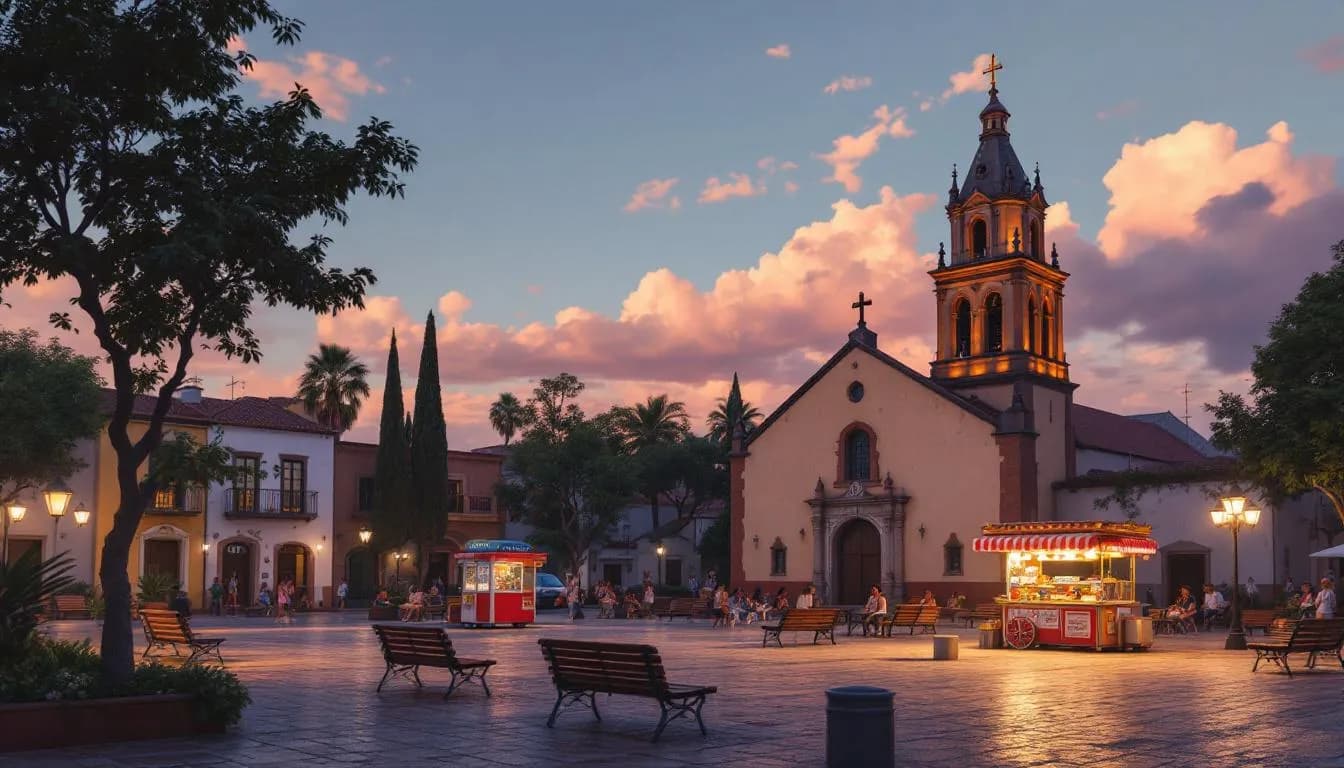
When most people hear 'retired to Mexico,' they picture Cabo or Puerto Vallarta. But plenty of retirees are living in towns of 20,000 to 40,000 people where they're often the only American at the market. The routine isn't exotic. It's just life - quieter, cheaper, and slower than what they left behind.
Here's what a typical day actually looks like, along with the real numbers behind it.
Morning: Coffee, Then the Mercado
Most days start around 7:30 - outside, with strong coffee, reading the news on a tablet. Internet runs about $29 a month and handles streaming and video calls without trouble.
By 9:00, it's time for the market. Produce is so cheap there's no reason to stockpile - a typical haul of tomatoes, avocados, cilantro, and a pineapple runs about $4. Monthly groceries, including fresh fish and the occasional imported item, come in around $250.
Midday: Spanish Lessons and a Real Lunch
Twice a week, a Spanish class at a local school - about $10 an hour. Fluency isn't the goal. Getting through a doctor's appointment or a conversation at the bank is. Most students are a mix of retirees and younger remote workers.
Lunch is the main meal, eaten between 2:00 and 3:00. A full comida corrida - soup, main dish, rice, beans, and a drink - costs $3 to $6 at the spots locals actually use. Cooking at home is even cheaper.
Look for comida corrida spots near the plaza - these daily lunch specials are how locals eat. You'll get a full home-cooked meal for $3 to $6. The places tourists walk past are usually the best ones.
Afternoon: The Siesta Is Real, and It's Good
From about 3:00 to 5:00, the town slows down. Shops close, streets empty, and most people head home. It feels strange at first - wasteful, even. But most retirees who stick with it become converts. Reading, napping, or sitting on a terrace gets built into the day.
This window is also useful for admin tasks - paying bills, scheduling appointments, answering emails. Private health insurance runs around $200 a month, and same-day doctor appointments are common. That's a meaningful contrast to waiting three weeks for a checkup back home.
Evening: The Plaza Is Free Entertainment
By 6:00, the town picks back up. A ten-minute walk to the plaza becomes a nightly habit - kids playing, families at the street food carts, locals gathered on the benches. It's social without requiring any planning.
- Street food dinner - tacos, tamales, or churros - runs $2 to $4
- You'll see the same faces regularly and start to feel like part of the rhythm
- Festivals and live music in the plaza happen more often than you'd expect
- Small expat groups tend to form organically around the same evening spots
What the Numbers Actually Look Like
A two-bedroom place with a terrace in a smaller Mexican town can rent for around $746 a month. Add utilities at roughly $68, groceries at $250, health insurance at $200, and regular meals out - total monthly expenses land around $1,500 for many retirees. That's well under half what the same lifestyle costs in most U.S. cities.
Honest trade-off: Some days the language barrier is genuinely frustrating. Loneliness is real, especially early on. But for most people who make the move, the slower pace and lower costs outweigh what they gave up.
This isn't a fantasy version of retirement. It's a quieter, more affordable version of ordinary life - and for a lot of Americans in their 60s, that's exactly what they were after.
Ready for the next step?
Check out our country-specific guides to see exactly how to apply these steps in your dream destination.
Browse Country Guides