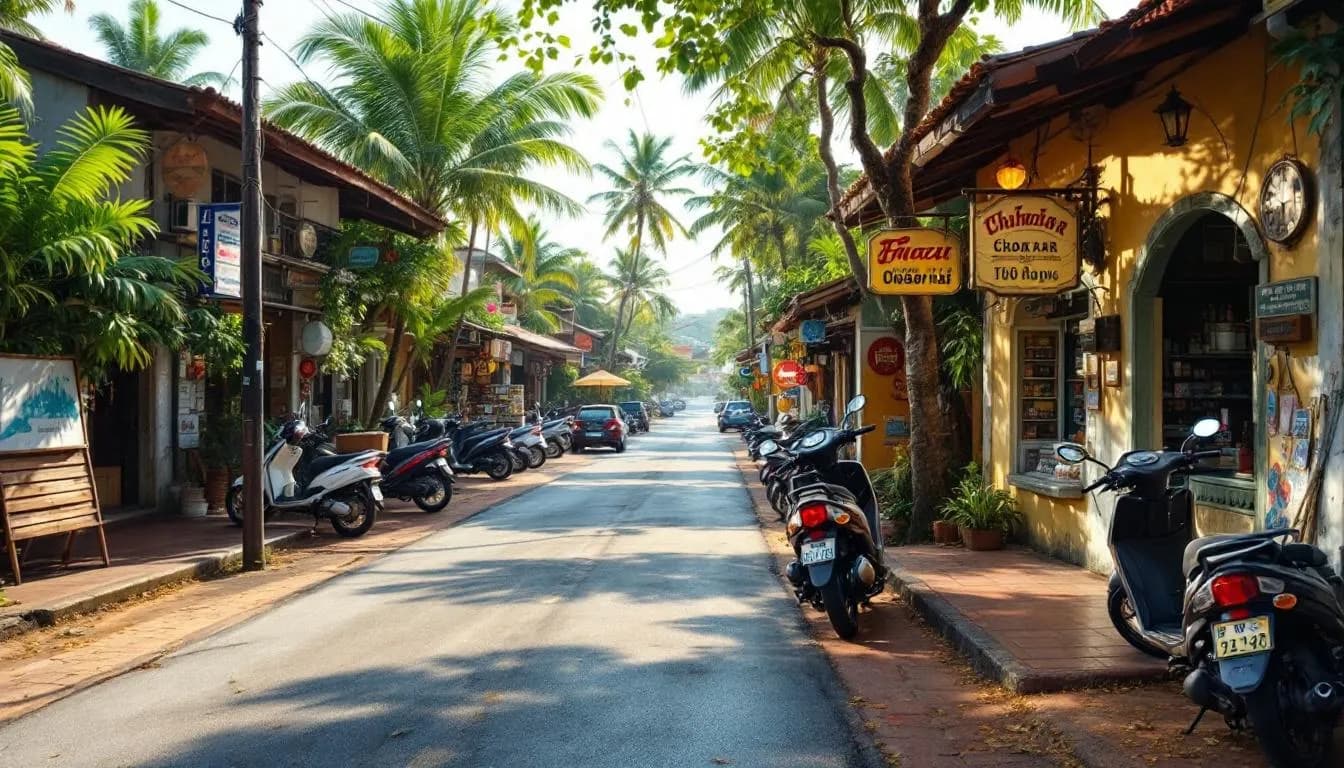
The alarm goes off at 6:30 AM — not because you have anywhere to be, but because by 8 AM it's already 85°F and climbing. Experienced expats in Thailand, the Philippines, and Malaysia don't fight the heat. They restructure their day around it.
This is still daily life. You need groceries, a haircut, and someone to fix the AC when it dies on a Sunday. The difference is you're doing it all somewhere a one-bedroom apartment runs $400–$500 a month and health insurance is around $75–$150 monthly.
Mornings Are Your Most Productive Hours
Most retirees are up by 6 or 7 AM. Local markets open early — that's when produce is freshest and temps are still tolerable. By 7:30, you'll find fellow expats at whichever coffee shop has earned a reputation for reliable AC and decent wifi.
- Markets are busiest 6–9 AM — go early for better selection and cooler air
- Local breakfast spots open at 7 AM, often under $3 for a full meal
- Outdoor errands and walking should be wrapped up before noon
- Banks and government offices typically run 8:30 AM to 3:30 PM on weekdays
You're also adjusting to rainy season — roughly April through November in most of Southeast Asia. Afternoon downpours become part of your mental calendar. You learn which streets flood and plan accordingly.
Afternoons: Stay Inside, Get Things Done
Between noon and 4 PM, most expats go indoors. It's a good time to read, handle finances online, or take a nap under the ceiling fan. Utilities run about $60–$110 per month, and a big chunk of that is AC you'll run more than you planned.
Electricity costs spike fast if you run AC all day. Many retirees use fans during afternoon hours and save AC for sleeping — keeps the bill manageable without suffering through the heat.
Afternoons are also when you'll handle anything online — paying bills, video calls home, visa renewal research. Internet service runs $9–$31 per month depending on the country. Thailand tends to have strong, reliable connections; the Philippines is more variable.
Evenings Belong to Everyone
By 5 or 6 PM, the temperature drops a few degrees and the town comes back to life. Locals and expats head out for dinner, a walk along the beach, or a cold drink at a regular spot. Eating out at local restaurants runs $60–$100 per month — often cheaper than cooking at home.
Routines form naturally. Tuesday might be dinner with other American retirees at the same place. Thursday you try somewhere new. Saturday you cook because you found good produce at the market. Those small patterns are what make it feel like a life rather than an extended trip.
The Parts Nobody Warns You About
You'll spend more time on paperwork than you expect. Visa renewals, utility payments that can't be automated, registering with local authorities — it all takes longer when you're working through a language barrier. English-speaking doctors are widely available in major cities, but administrative paperwork is another story.
- Power outages happen during storms — keep a flashlight and a backup battery charged
- Mail service is unreliable; use a US forwarding service for anything important
- Some days you'll want a deli sandwich or decent Mexican food and simply won't find it
- You'll always be slightly on the outside of local life — welcoming, but not quite insider
Transport costs are low — $8–$37 per month for local buses, motorbike taxis, and ride apps. Many retirees pick up a scooter after a few months and use it for almost everything.
Does the Math Actually Work?
Total monthly expenses in Southeast Asian beach towns typically run $900–$1,400, covering rent, utilities, groceries, and healthcare insurance. That's well below most US cities, which means your retirement income goes further with less financial stress.
But it's not just financial. Some days the heat grinds on you, the language barrier is genuinely frustrating, and you'd trade a lot for reliable mail delivery. Other days you're watching the sun go down over the water with a cold drink in hand, your savings aren't draining, and the whole thing makes complete sense. Those days happen more than you'd think.
Ready for the next step?
Check out our country-specific guides to see exactly how to apply these steps in your dream destination.
Browse Country Guides