Your first week abroad, ordering lunch can feel like a high-stakes negotiation. The grocery checkout works differently. The bus system doesn't make sense yet. None of that means you made a mistake.
What gets you through it isn't a perfect plan. It's a string of small wins that build on each other. Each one makes the next thing a little easier.
Getting Around Without the Stress
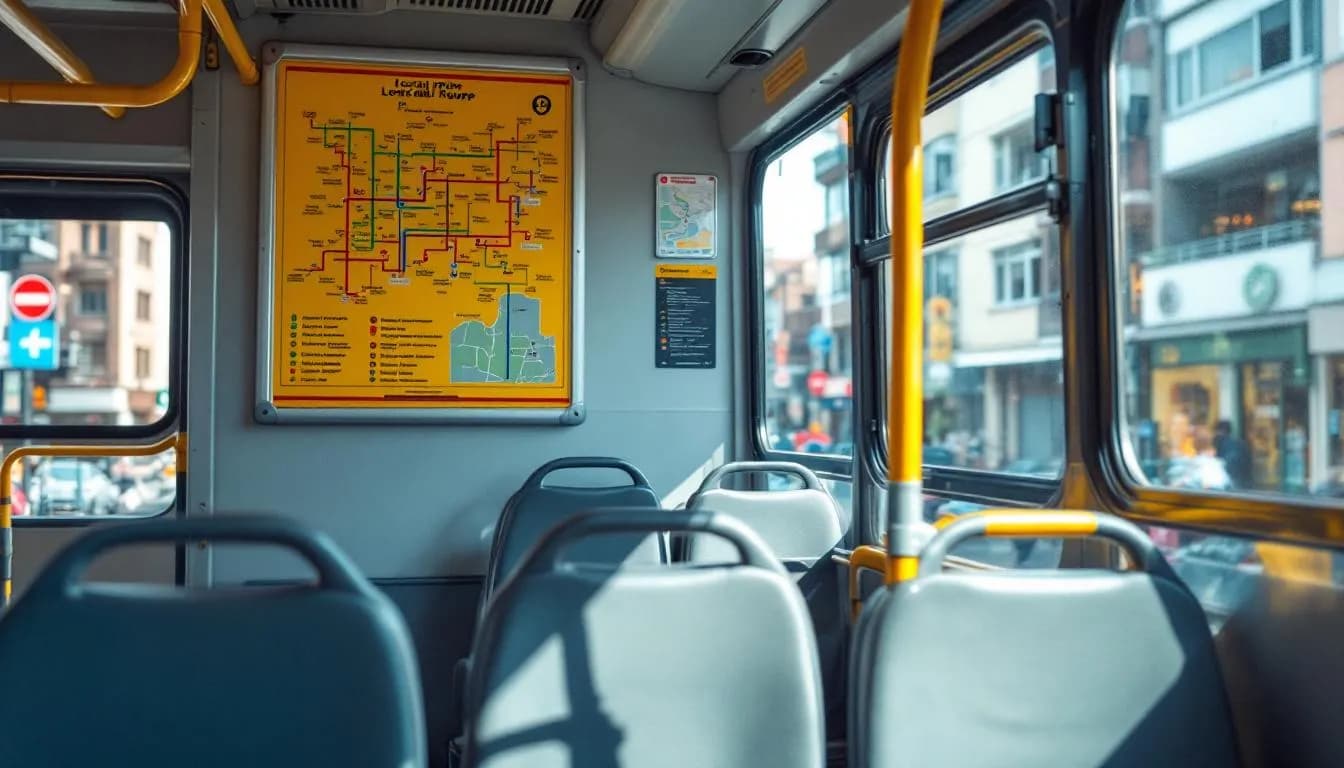
Public transit is usually the first real confidence builder. The first time you take a bus or metro somewhere without getting lost — that counts. It's a bigger deal than it sounds.
Every country has its own system. Portugal and Spain have reliable, well-marked metros. Thailand has songthaews — shared pickup trucks with informal routes. Mexico has colectivos that locals know by instinct but aren't always posted anywhere.
- Pick one route you'll use regularly and learn it first
- Do a practice run during off-peak hours when there's no pressure
- Screenshot route maps so you're not dependent on cell data
- Ask locals — most people are genuinely happy to help
Transit costs are low in most retirement destinations. Monthly transport runs around $14 in Malaysia and about $43 in Portugal. Once you know the system, it's one of the easiest places to save money.
Shopping Without Holding Up the Line
The local market or grocery store is where you'll feel most like an outsider — until suddenly you don't. Checkout procedures, payment methods, unfamiliar packaging — it's all different at first. Fumbling with new coins in front of a line of locals is its own kind of uncomfortable.
The win here isn't doing everything right. It's getting comfortable not knowing everything yet. You'll learn which stores carry what you need, where to find good local alternatives, and how to pay without slowing anyone down.
- Shop at the same store regularly so the layout becomes familiar
- Bring a reusable bag — many countries charge for plastic bags or expect you to have one
- Learn numbers in the local language first — prices matter most
- Don't stress about mistakes — everyone has been the confused shopper at some point
Monthly grocery costs are generally lower than in the U.S. — around $140 in Ecuador, $155 in the Philippines, $200 in Thailand or Malaysia. Once you know where to shop, those numbers start to feel real in your budget.
Handling Money Without Overthinking It
Banking and everyday transactions work differently abroad. You'll need to figure out which ATMs charge reasonable fees, whether to pay in local currency or USD when given the choice, and how tipping works. It's not complicated — it just takes a little time to sort out.
Panama and Ecuador use the U.S. dollar, which simplifies things considerably. Most other countries mean dealing with exchange rates and foreign transaction fees. Getting comfortable with local currency — without mentally converting every purchase — is a genuine milestone.
- Find one or two ATMs with low fees and stick to them
- Keep small bills on hand — many places can't break large notes
- Learn local tipping customs — they vary a lot by country
- Open a local bank account once you're settled to cut foreign transaction fees
Some countries cap ATM withdrawals or charge per transaction. Withdrawing larger amounts less frequently often saves money — but only if you're comfortable carrying more cash.
Enough Language to Get Through the Day
You don't need fluency. You need enough to handle daily tasks without anxiety — basic greetings, numbers, common questions, and the ability to ask for help when you're stuck.
In countries with strong English proficiency — Malaysia, Portugal, the Philippines — you can get by in major cities without much local language. In Thailand, Mexico, or Ecuador, picking up some basics makes a real difference, and locals genuinely appreciate the effort.
- Start with hello, thank you, excuse me, and I don't understand — those four go a long way
- Practice numbers so you can follow prices and directions
- Use translation apps as a backup, but try without them first
- Don't apologize for your accent — just communicate
The first time you ask something in the local language and actually understand the answer, you'll feel a shift. That kind of progress compounds fast.
When Routine Replaces Effort
Confidence abroad comes from having routines that work. Once you know where you shop, how you get around, and which café you like in the morning, daily life stops feeling like a challenge.
- Build a morning routine that includes something you genuinely enjoy
- Find a few regular spots where staff start to recognize you
- Notice when something that felt hard becomes easy — that's real progress
- Be patient on hard days — adjustment isn't linear
Give yourself a month to figure out the basics. Three months before life feels normal. By six months, you won't be thinking about most of this — you'll just be doing it.
Your first solo doctor's visit, a successful bank transaction, a real conversation with a neighbor in the local language — those are legitimate milestones. Acknowledge them.
Ready for the next step?
Check out our country-specific guides to see exactly how to apply these steps in your dream destination.
Browse Country Guides