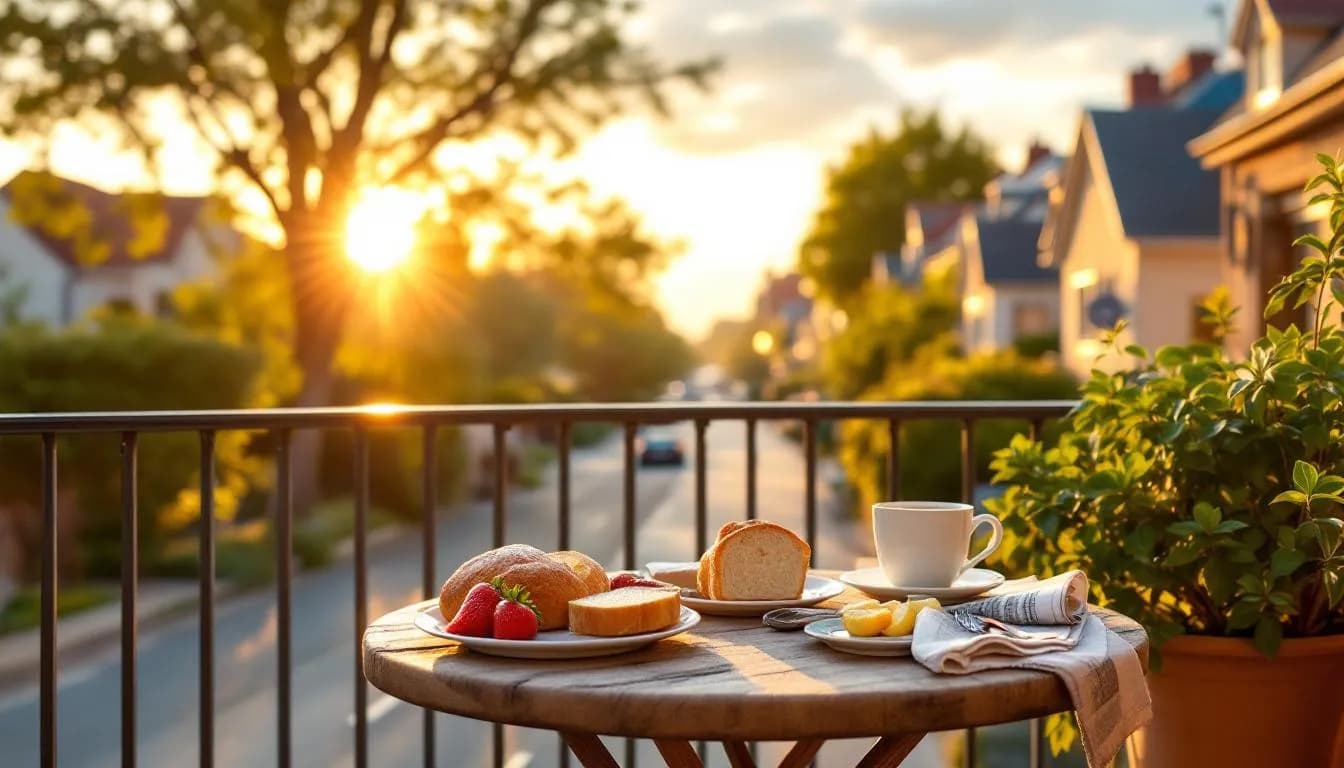
The first Tuesday morning hits differently. You wake up without an alarm, pour coffee, and realize you have nowhere to be. No deadlines, no meetings, no one waiting on you. For people who spent 30 or 40 years in high-pressure careers, that silence can feel less like freedom and more like free fall.
You're not lazy. You're not depressed. You're just wired for a pace that no longer exists in your life. The recalibration is real - and it takes longer than most people expect.
Why the First Few Months Feel So Disorienting
If your identity was tied to your title and output for most of your adult life, retirement removes that overnight. Moving abroad adds another layer - you don't have your old networks, routines, or familiar distractions to fall back on. It's a double adjustment.
Many former executives, teachers, and engineers describe the first few months as aimless. You might invent tasks just to feel useful, or reach for your phone out of habit. That restlessness isn't a character flaw - it's your brain missing the dopamine loop it ran on for decades.
Give yourself at least six months before judging how the transition is going. The first three will feel awkward. By month six, most people start sleeping better and stressing less.
Building Structure Without Recreating Your Old Job
You don't need a packed schedule, but you do need anchors. Without them, days blur together and it's easy to feel adrift. The goal is light structure - enough to give your week shape, not enough to turn retirement into another to-do list.
- Pick one or two regular commitments - a language class, a weekly market, a volunteer shift
- Join a group where people expect to see you regularly (a club, a class, a walking group)
- Start a personal project - writing, cooking, learning an instrument - but don't schedule it like work
- Leave room for completely unplanned days; they get easier over time
The point isn't to stay busy. It's to have enough rhythm that you're not floating - while still being able to spend an afternoon reading without guilt.
Redefining What a Good Day Looks Like
For most of your career, a good day meant output - problems solved, goals hit, results delivered. That definition doesn't work in retirement, and holding onto it will make you miserable.
Maybe a good day is finally finishing a book you bought five years ago. Or having a real conversation in Spanish with a neighbor. Or cooking dinner slowly, from scratch. None of that earns a performance review, but it's exactly the kind of life you retired for.
Try this: at the end of each day, write down three things you enjoyed - not accomplished, but enjoyed. It retrains your brain to value presence over performance.
Some people keep one small professional outlet - a few hours of consulting a month, mentoring someone back home, or volunteering their expertise locally. That's fine, as long as you're honest about whether it's fulfilling you or just feeding old habits.
What Slower Living Actually Looks Like Day to Day
Slower doesn't mean doing nothing. It means doing things without stacking them back-to-back. Leaving space between activities. Saying yes to an invitation without checking your calendar because your calendar is mostly open - by design.
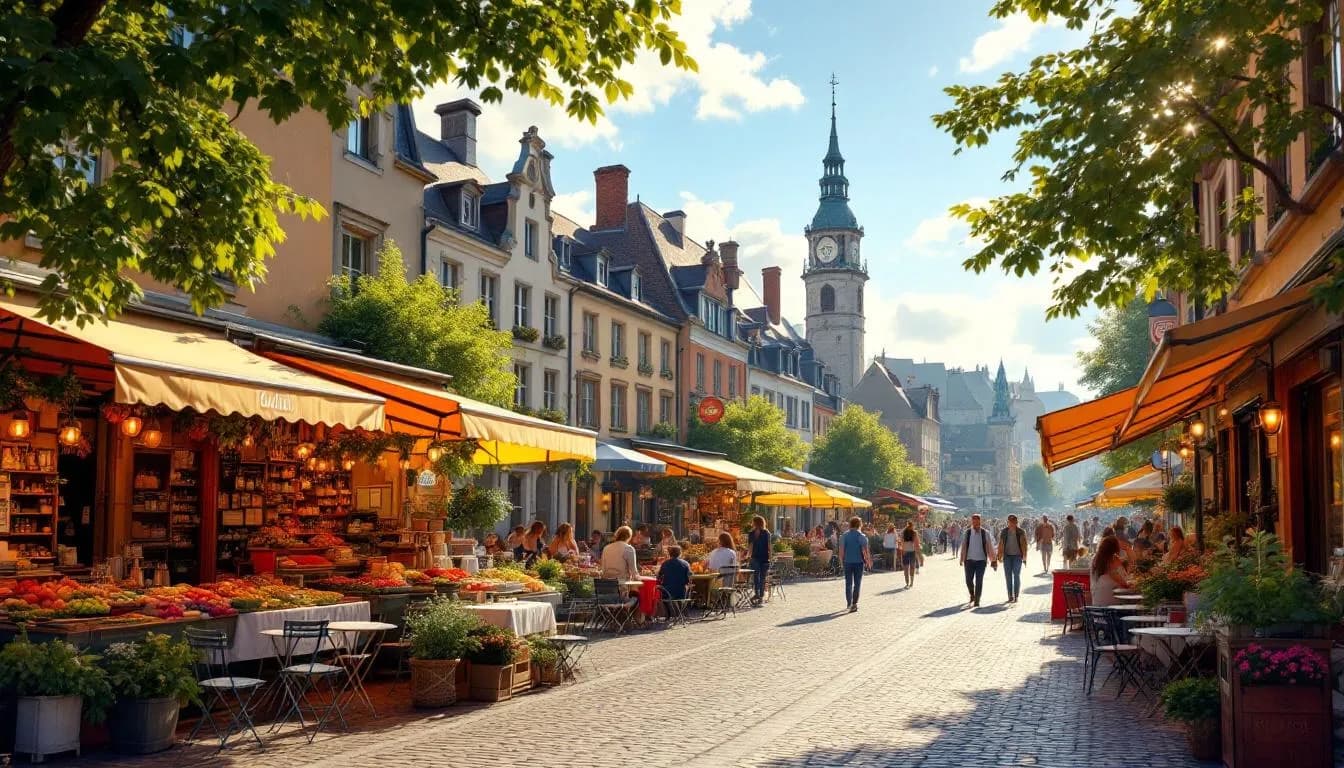
In Portugal or Slovenia, you'll notice locals don't treat lunch like a fuel stop. Coffee with a friend isn't squeezed between meetings. Shops close in the afternoon and nobody spirals. That's not inefficiency - it's a different set of priorities, and you're allowed to adopt it.
When the Discomfort Is About More Than Just Pace
Here's the harder truth: for some people, the struggle with slowness isn't about schedule at all. It's about what surfaces when you stop moving - unresolved relationships, hobbies you thought you'd love but don't, realizations about what you actually want versus what you thought you should want.
If the adjustment still feels rough after several months, it's worth examining whether you're struggling with pace or with deeper questions about meaning and purpose. There's no shame in talking to a therapist - many offer video sessions, and English-speaking options are easier to find in larger cities abroad than you'd expect.
Slowing down is an adjustment, not a failure. Give yourself the same patience you'd give anyone learning something genuinely new. You're not behind - you're right on schedule.
Ready for the next step?
Check out our country-specific guides to see exactly how to apply these steps in your dream destination.
Browse Country Guides