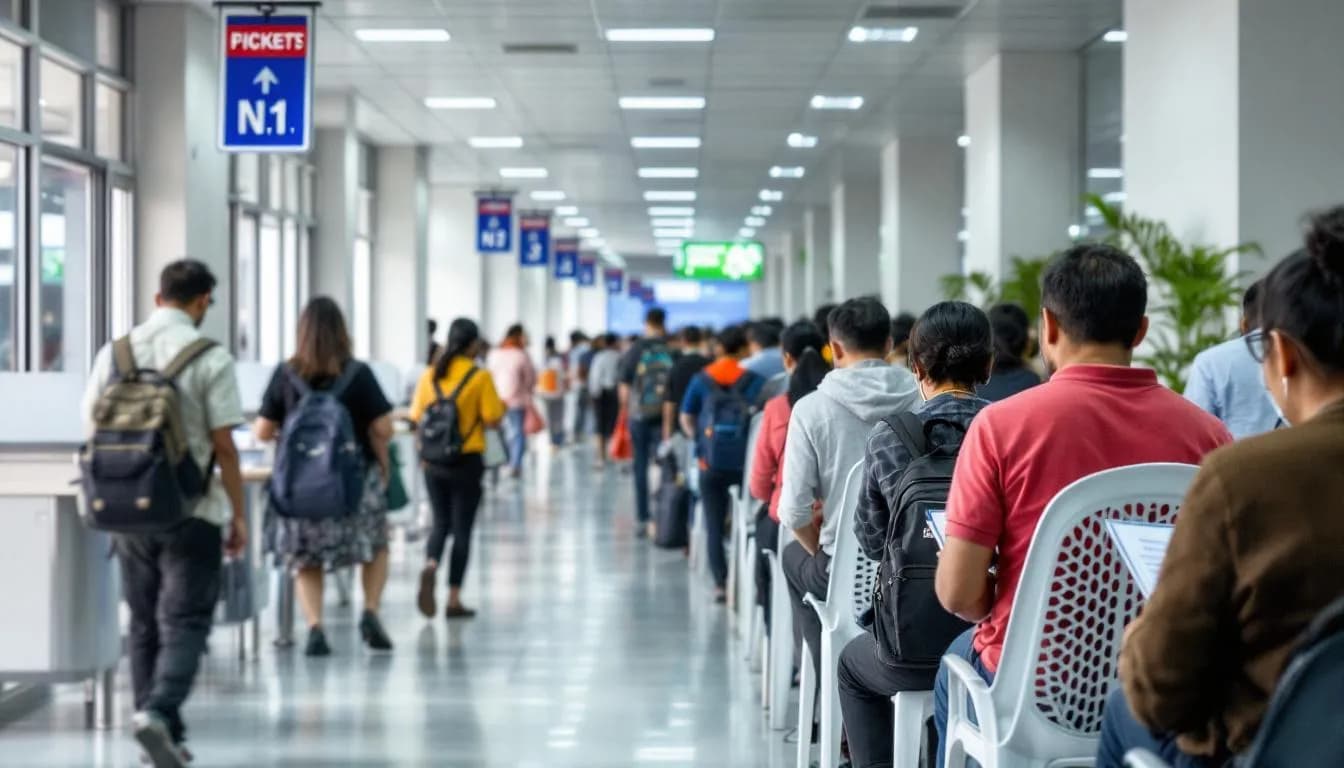
You'll wait in more lines than you ever did back home. Bank transactions take three times longer. Simple tasks require forms you didn't know existed. The person helping you might need to ask their manager, who's at lunch, who'll be back in an hour—maybe two.
This isn't inefficiency you can fix with American urgency. It's just how things work when you're the outsider learning a new system.
Everything Takes Longer Than Expected
Opening a bank account that took 20 minutes in the U.S. might require three appointments spread across two weeks. Getting internet installed means waiting for the technician who promised Tuesday but shows up Thursday. Your residency paperwork sits in someone's inbox for weeks with no explanation.
You can't rush foreign bureaucracy, and getting angry just marks you as the difficult American. The locals already know the system is slow—they've made peace with it.
- Bring something to read whenever you leave the house
- Budget twice the time you think any errand will take
- Accept that "tomorrow" sometimes means next week
- Learn the local phrase for "I'll wait, no problem"
Communication Requires Extra Effort
Even in countries with high English proficiency like Portugal or Malaysia, you'll repeat yourself constantly. Not because people don't speak English, but because you're navigating accents, idioms they don't use, and references that don't translate.
You'll also misunderstand things yourself. The landlord said Thursday, but did he mean this Thursday or next Thursday? The pharmacist explained the dosage, but you're not sure if you caught it right. Confirming basic details becomes a daily habit.
Write things down. Phone numbers, addresses, appointment times—your memory isn't the issue, clarity is. Having it written (or screenshotted) saves you from repeating the same conversation three times.
Small Frustrations Add Up Quickly
The ATM only dispenses large bills and the corner store won't break them. Your favorite grocery item disappeared from the shelves with no replacement. The power went out again, and nobody knows when it'll come back. None of these are emergencies, but they stack up when you're already adjusting to everything else.
Patience means accepting that you won't solve all these inconveniences—you'll just learn to work around them. You'll keep small bills on hand, find substitutes, and charge your devices before storms. The expats who struggle most are the ones who keep fighting these small battles instead of adapting.
Ready for the next step?
Check out our country-specific guides to see exactly how to apply these steps in your dream destination.
Browse Country Guides