You won't find a 24-hour grocery store in rural France. Most won't stay open past 7 p.m., and everything shuts down on Sundays except the occasional boulangerie in the morning. If you forgot milk on Saturday, you're having coffee black until Monday.
This isn't a complaint-it's just different. The trade-off for that slower pace is a quality of life that's hard to quantify until you're living it. Here's what your days might actually look like.
Morning Rituals Run on Their Own Clock
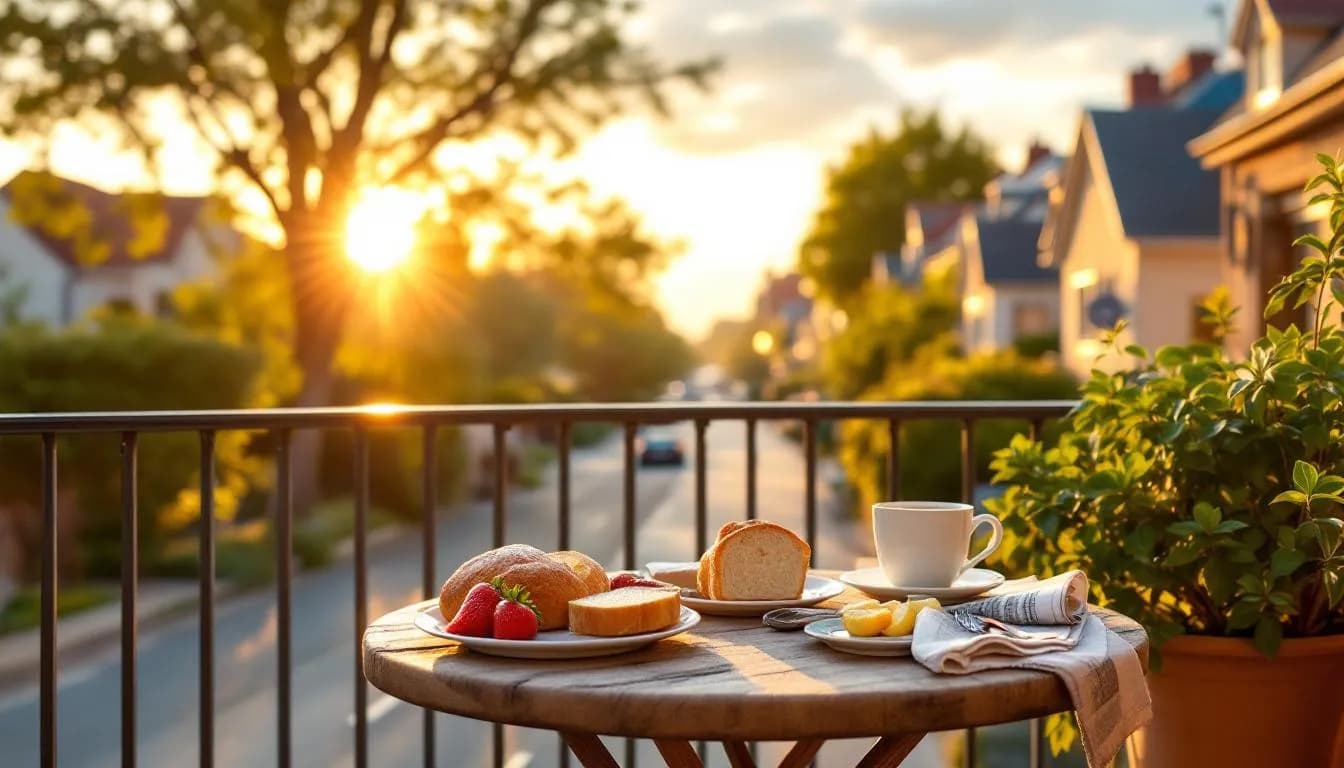
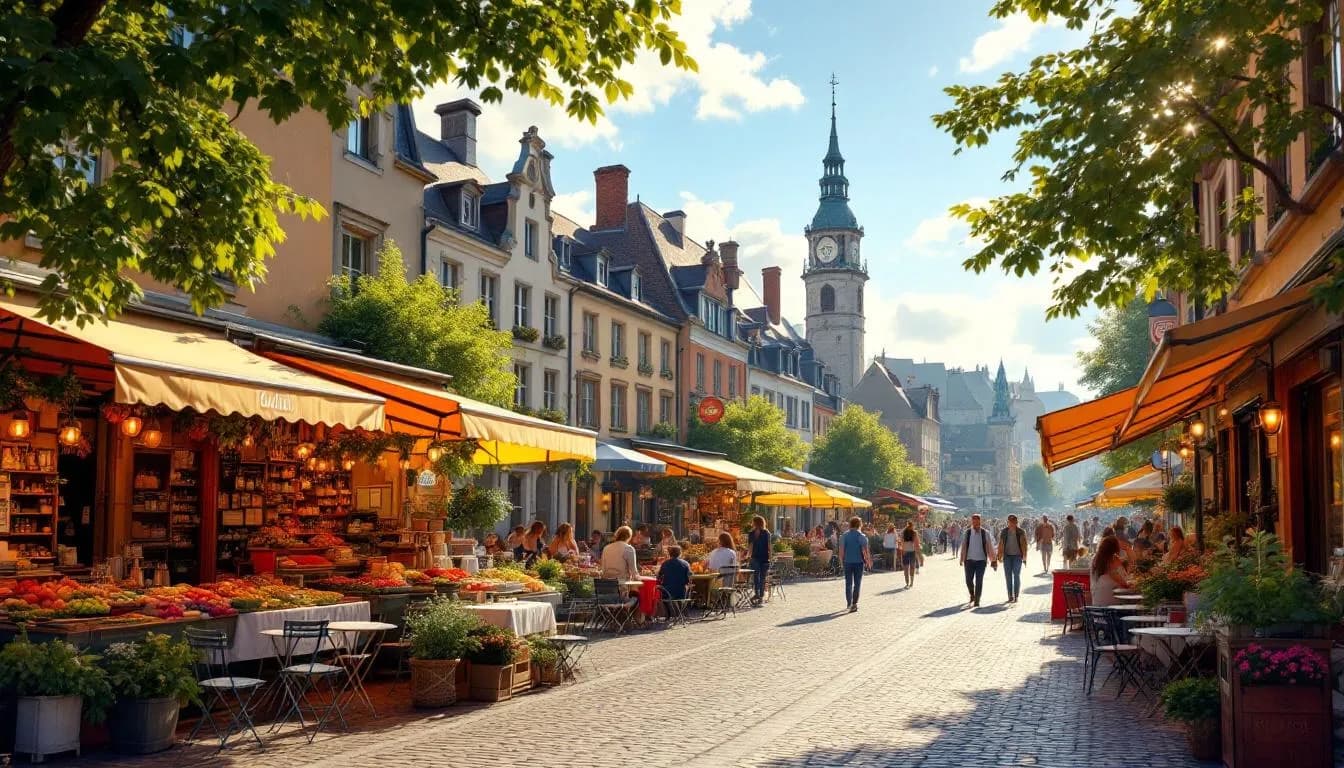
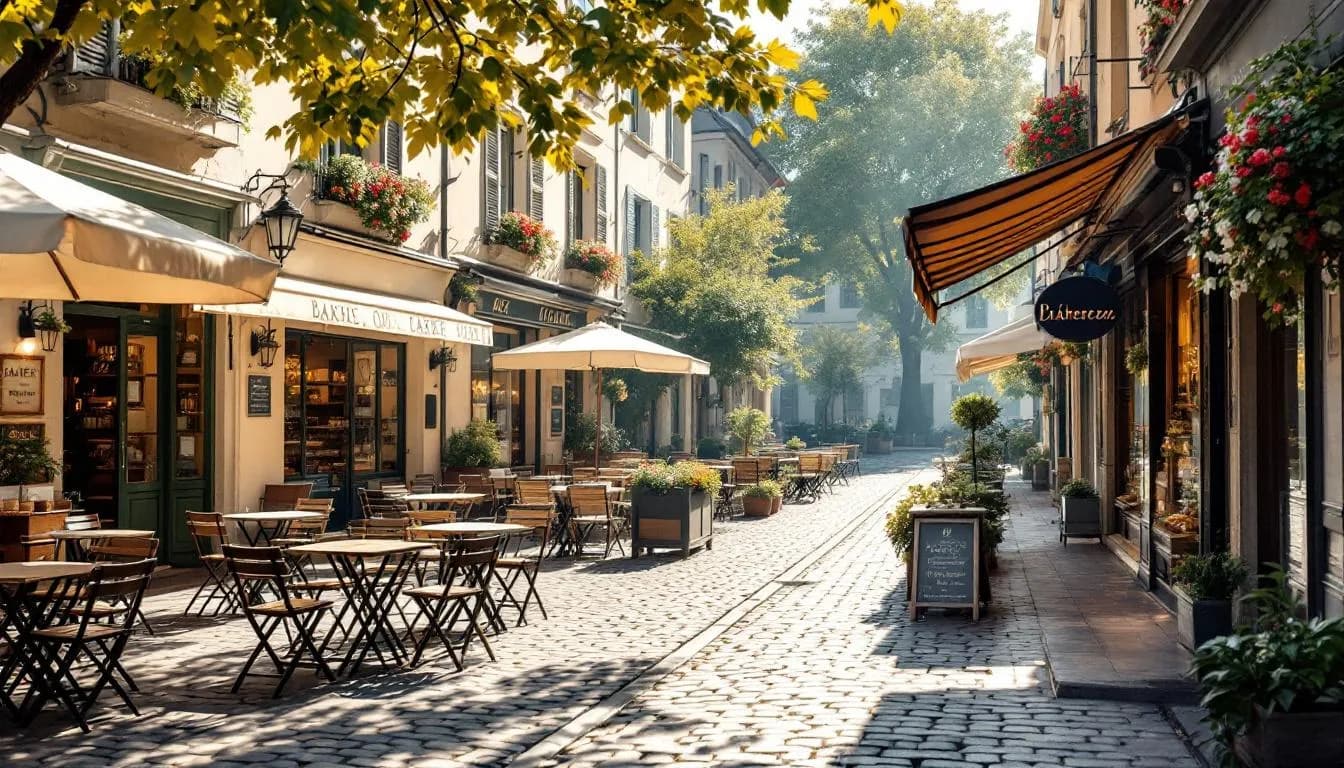
The bakery opens early-usually by 7 a.m.-and if you want a fresh baguette, you'd better get there before 11. They'll sell out, and they won't make more until tomorrow. The same goes for the market: it's open two or three mornings a week, not daily, and vendors pack up by early afternoon.
You'll adjust to this rhythm faster than you think. Instead of running errands whenever it's convenient, you plan around when things are open. It forces you to slow down, and honestly, that's part of why people move here in the first place.
Everyone Knows Your Business (Sort Of)
Small-town France isn't anonymous like a city. Your neighbors will notice if your shutters stay closed past 9 a.m., and the woman at the post office will ask why you missed market day last week. It's not nosiness-it's how communities work here.
You'll need basic French to handle these interactions. English proficiency in rural areas is moderate at best, and while people are patient, they won't switch languages for you. Learning enough to chat about the weather and complain about the rain goes a long way.
Don't expect same-day anything. Mail takes longer, appointments need to be made weeks in advance, and if something breaks, the repair person will come 'next week'-maybe.
Seasons Actually Matter Here
France has four distinct seasons, and they dictate what you eat, what you do, and how you dress. Summer means fresh tomatoes and dining outside until 10 p.m. Winter means hearty stews, closed-up houses, and dark afternoons by 5. The rainy season runs from October through April, so you'll want good boots and a real coat.
This seasonality extends to social life too. People are more active and social in warmer months, and winters can feel quiet-especially if you're used to year-round sunshine. If you're coming from Arizona or Florida, the gray months take some getting used to.
What You'll Miss (and What You Won't)
- You'll miss convenience-Amazon deliveries, drive-thrus, stores open late
- You won't miss traffic, constant noise, or feeling like you're always rushing
- You'll miss certain American products (good Mexican food, ranch dressing, cheap wine-wait, scratch that)
- You won't miss paying $200 a month for health insurance that still leaves you with copays
The pace here isn't for everyone. If you need constant stimulation or can't handle planning your week around when the pharmacy is open, rural France will drive you crazy. But if you're ready to trade efficiency for a slower, more intentional way of living, it's hard to beat.
Ready for the next step?
Check out our country-specific guides to see exactly how to apply these steps in your dream destination.
Browse Country Guides