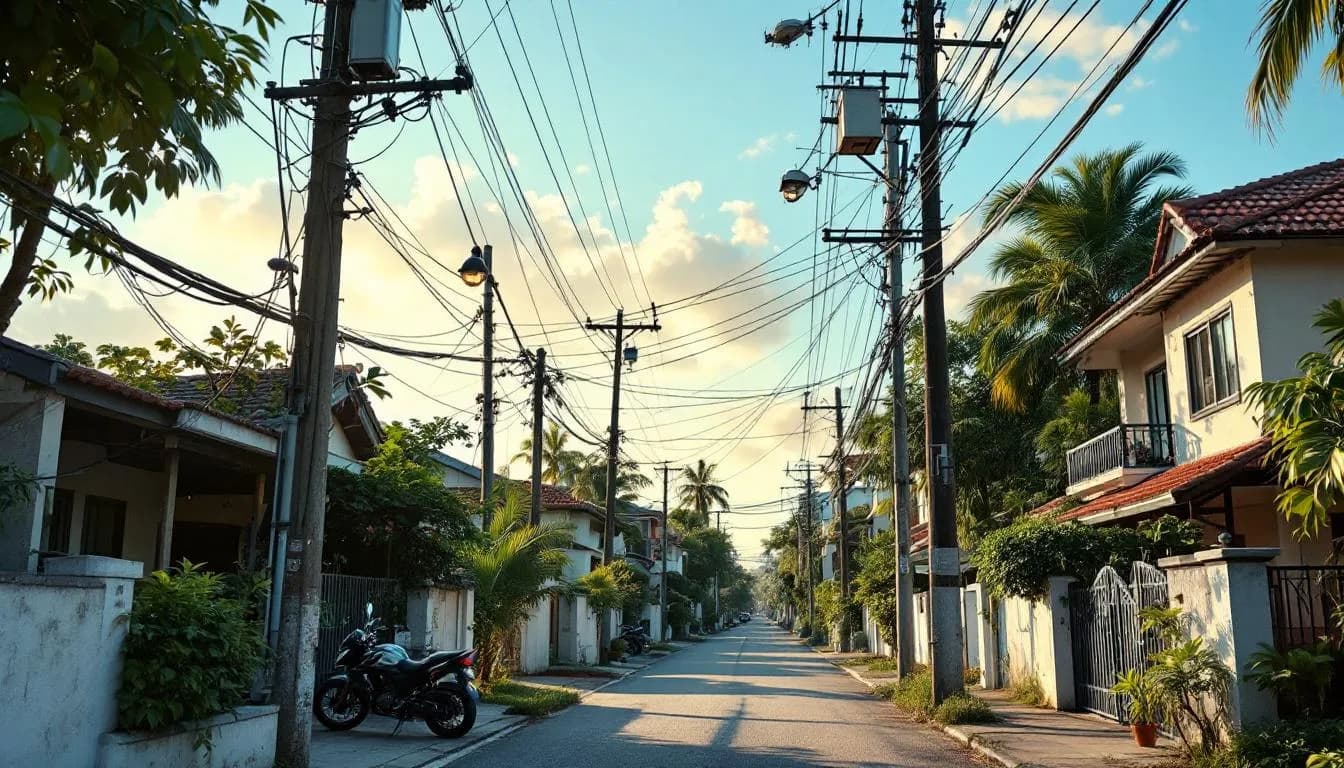
You've compared costs, checked healthcare quality, and liked what you saw. Then you move in and find out the power cuts out every Tuesday evening, the water pressure disappears at 3 PM, and the bus schedule is more of a suggestion than a commitment.
Infrastructure isn't the most exciting thing to research, but it shapes your daily life more than almost anything else. Here's what to expect-and what to ask before you sign a lease.
Electrical Power: Where Outages Are Common
Portugal, Spain, and Slovenia have grids comparable to the U.S.-outages are rare and usually weather-related. Thailand's major cities are reliable too, though rural areas are a different story. Mexico varies a lot: tourist zones and big cities are generally fine, smaller towns less so.
The Philippines and Ecuador have the most challenging power situations among popular retirement spots. Rolling brownouts happen, especially during hot months when air conditioning demand spikes. Many expats in those countries keep surge protectors on everything and a backup battery for their computers.
- Ask current expats-not landlords-how often power goes out and for how long
- Find out if your building has a backup generator
- Budget for surge protectors and a UPS for computers and sensitive electronics
- Check for voltage fluctuations, which can damage appliances gradually
In tropical climates, air conditioning can double or triple your monthly electricity bill. Some countries charge significantly more once you exceed a base usage threshold.
Water: Availability, Pressure, and Drinkability
These are three separate questions, and you need answers to all three. In Portugal, Slovenia, and Poland, tap water is safe to drink and pressure is consistent. Spain and Italy are safe but can have seasonal pressure drops during peak hours.
Most of Latin America and Southeast Asia have water that's not safe to drink straight from the tap-though that's different from an unreliable supply. Thailand, Malaysia, and Panama have consistent pressure in urban areas. The Philippines and Ecuador can have afternoon drops when usage peaks.
Mexico City deserves a separate mention. Some neighborhoods have excellent water. Others run on scheduled deliveries and rooftop tanks. Ask about the specific neighborhood, not just the city.
- Visit potential rentals in the afternoon when pressure is typically at its lowest
- Ask if the building has a rooftop water storage tank-common in many countries as a backup
- Budget for a filtration system or bottled water delivery where tap water isn't drinkable
- Find out if hot water is tankless or requires advance heating
Public Transportation: Coverage and Reliability
If you're planning to go car-free, this matters more than the published monthly transport costs. Japan, France, and Spain have world-class systems-trains and buses run on schedule, routes are extensive, and you can figure it all out without much trouble. Portugal is improving fast, especially in Lisbon and Porto.
Mexico and the Philippines have extensive transportation, but it's informal. Jeepneys, colectivos, and shared vans follow fixed routes without fixed schedules. You'll learn the system, but there are no timetables. Panama City has a modern metro that's reliable-it just doesn't reach everywhere yet.
Costa Rica and Ecuador have bus service that drops off sharply outside major cities. Many expats in those countries end up buying a car or using ride-share apps regularly, which changes the budget significantly.
The real cost of transportation includes your backup plan. If the bus is unreliable, you'll spend more on taxis and ride-shares than any published public transport figures would suggest.
Internet: Speed and Reliability by Country
If you're managing U.S. finances online, video-calling family, or doing any remote work, internet quality is non-negotiable. Thailand, Vietnam, Colombia, Portugal, Spain, France, and Poland all have strong fiber infrastructure in cities. Japan's internet is excellent everywhere. Malaysia and the Philippines are solid in major cities but inconsistent in smaller towns.
Mexico is the weak spot among popular retirement destinations-it works, but speeds are slower and outages more common than most other countries on this list. Ecuador and Costa Rica are moderate and vary significantly depending on exact location. Slovenia and Italy are adequate but not cutting-edge outside major cities.
- Test internet speed at a potential rental during evening hours when demand peaks
- Ask neighbors about outages-landlords will say it's fine
- Find out if fiber is available or if you're on older cable infrastructure
- Check whether the building has multiple provider options or is locked into one contract
How to Get Accurate Information Before You Move
Official statistics and landlord assurances won't tell you what you need to know. Join local expat Facebook groups and ask specific questions about the neighborhood you're considering-not just the city. Infrastructure can vary dramatically block by block.
Talk to people who actually live in the building or on the street. Ask how often the power goes out, when water pressure drops, and how long it takes to get somewhere during rush hour. If you hear 'never' or 'always perfect,' you're talking to someone who hasn't lived there long or wants to rent you something.
The best move: rent short-term for a month before committing to a long lease. You'll experience infrastructure firsthand-no guesswork required.
Infrastructure challenges aren't deal-breakers when you know about them in advance. They're only frustrating when they come as surprises. Go in with clear expectations and you'll adjust faster than you think.
Ready for the next step?
Check out our country-specific guides to see exactly how to apply these steps in your dream destination.
Browse Country Guides