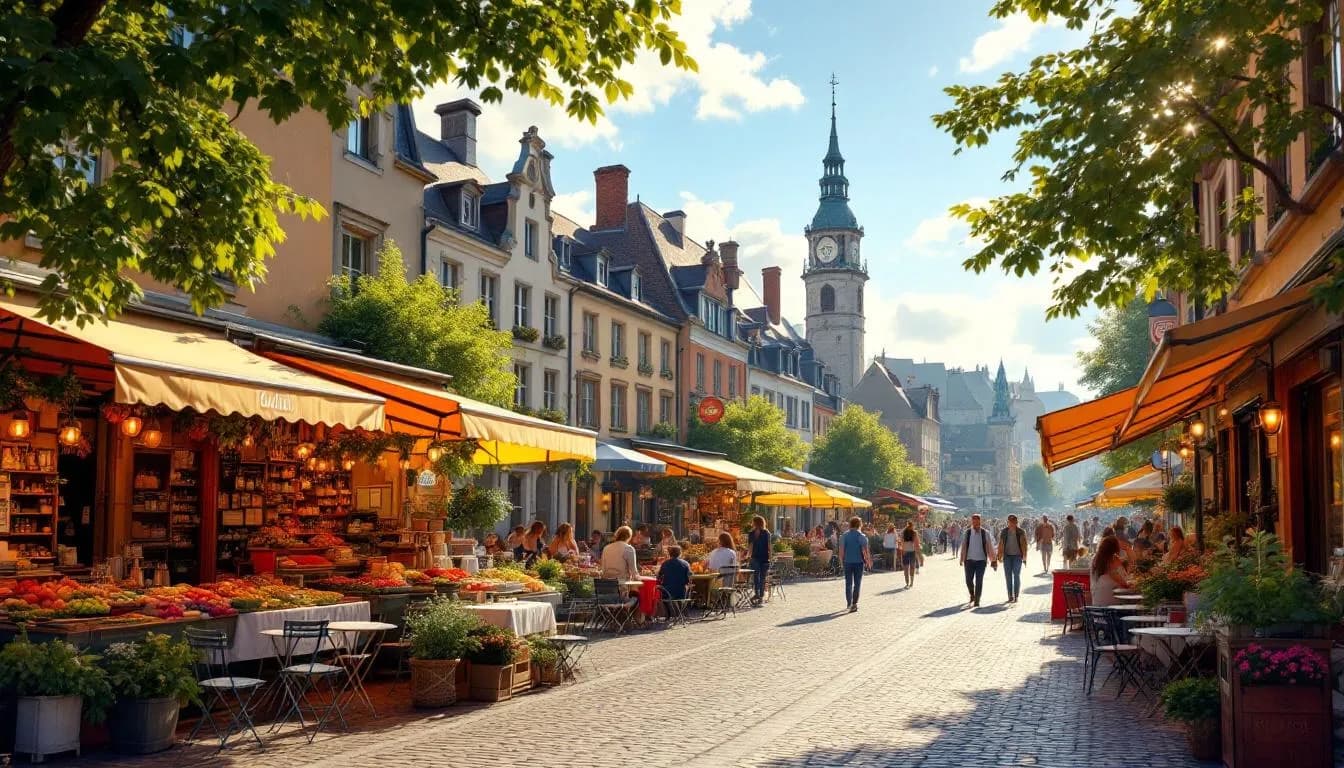
The fear of purposelessness is real before you move. What will you actually do all day? Will you feel cut off? For most retirees who've made the leap, that fear disappears within the first few weeks - not because life abroad is effortless, but because the opportunities to stay engaged are genuinely everywhere.
The challenge isn't finding things to do. It's narrowing them down. Here's what actually works.
Classes and Workshops
Language classes are the obvious starting point in Mexico, Spain, Vietnam, and other places where English isn't widely spoken. But they're far from the only option. Cooking classes, art workshops, yoga studios, and dance lessons are common in most expat-friendly cities - and they double as social opportunities.
In Portugal and Thailand, expat community centers post weekly schedules for everything from photography clubs to creative writing groups. That kind of structure helps you build friendships gradually rather than all at once.
Don't hold out for English-only classes. A beginner pottery or cooking class in the local language forces you to practice and shows locals you're making an effort - both worth doing.
Volunteering
Volunteering gives you a sense of purpose that's hard to replicate. Many retirees teach English conversation classes, mentor local students, or help at animal shelters. A few hours a week is enough to connect you with people who share your values - and get you out of the expat bubble.
- English conversation exchange programs - common in Thailand, Vietnam, and Ecuador
- Animal rescue and shelter support - popular in Mexico, Costa Rica, and Spain
- Environmental conservation projects - Costa Rica and Ecuador have active programs
- Community development work - housing repairs, school projects, park cleanups
- Senior center activities and meal programs - Portugal, Slovenia, and Poland
Staying Physically Active
Good weather and walkable neighborhoods make it easier to stay active without even trying. Most expat retirees walk to the market daily - it keeps them moving without a gym membership. In Thailand and Vietnam, yoga studios and tai chi groups meet in public parks. Portugal and Spain have hiking clubs that organize weekend trips.
Gym costs abroad are a fraction of U.S. prices. In Thailand, a decent gym runs about $37/month. In Ecuador, even less.
Social Groups - Expat and Local
Expat groups are a lifeline when you first arrive. Facebook, Meetup, and InterNations all have active communities in most popular expat cities - coffee meetups, day trips, holiday dinners. They're especially useful if you're in a smaller town where the expat community is tight-knit.
That said, don't stop there. Book clubs, cycling groups, church gatherings, and gardening clubs that include locals give you a richer experience - and help you avoid the insular bubble that some expat communities develop over time.
- Search '[City Name] Expats' on Facebook for city-specific groups
- Meetup.com for hobby-based social groups
- Local cultural centers and libraries often post free event calendars
- Church and religious communities - many offer English-language services
Travel From Your New Home Base
Living abroad puts you close to places you've always wanted to visit. Retirees in Portugal take weekend trips to Morocco or around Europe. Those in Thailand hop over to Vietnam, Cambodia, or Laos. Mexico-based retirees have easy access to Central and South America. Your new home becomes a launching pad.
Budget carriers make regional travel cheap. Ryanair covers Europe, AirAsia covers Southeast Asia, and Volaris handles Latin America - often under $50 one-way.
You don't have to travel constantly to appreciate it. Just knowing the option is there - no vacation days, no work schedule to work around - quietly changes how you experience everyday life.
Ready for the next step?
Check out our country-specific guides to see exactly how to apply these steps in your dream destination.
Browse Country Guides