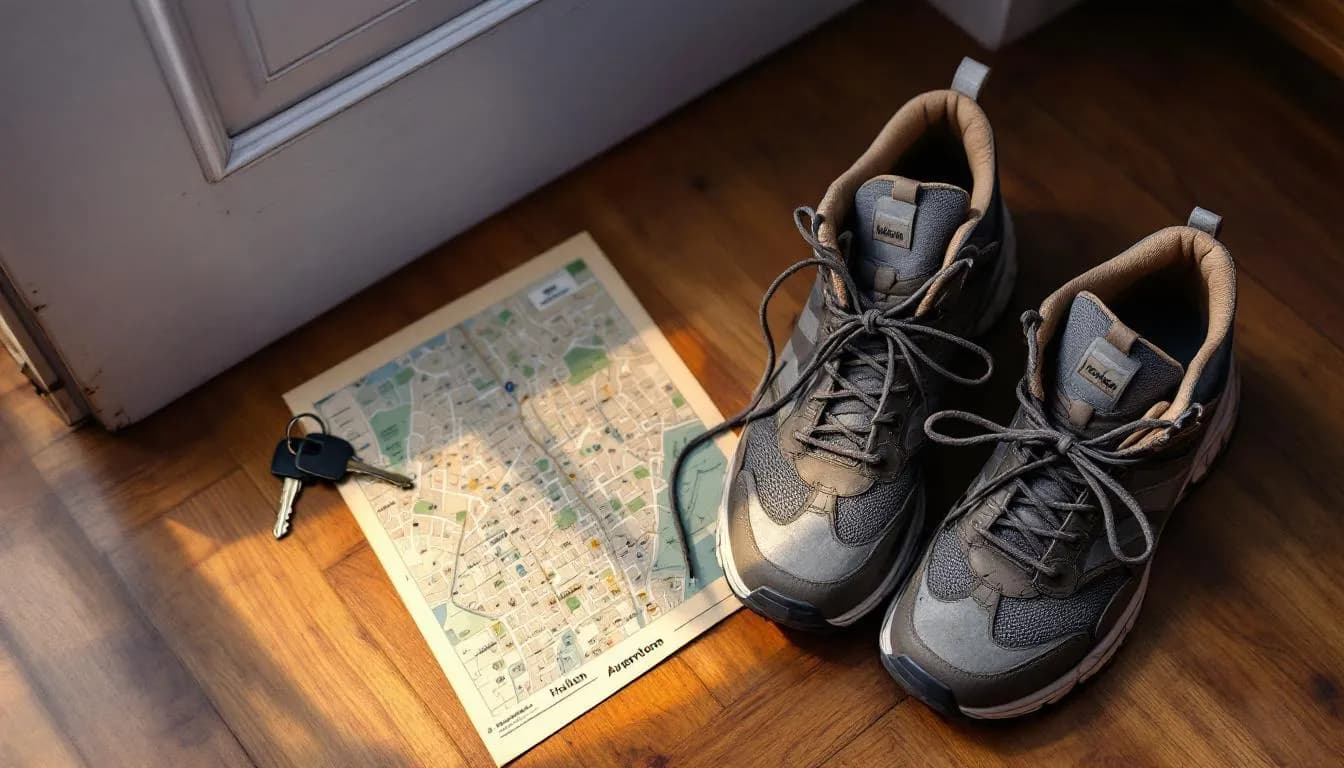
You've landed, unpacked, and set up your apartment. Now comes the real adjustment: figuring out where to buy milk, how to pay your electric bill, and whether you'll ever stop feeling like a confused tourist. The good news? Most retirees find their rhythm faster than they expected.
Comfort abroad isn't about feeling like a local — it's about knowing how to get things done without constant stress. That happens in stages, and knowing what to expect makes the early uncertainty easier to handle.
The First Month: Everything Takes Longer
Your first few weeks will feel inefficient. Simple tasks like buying groceries or finding the post office take three times longer than back home. You're constantly looking things up, asking for help, and second-guessing yourself.
This is normal. You're building a mental map of your new neighborhood and figuring out which bank accepts foreign cards, which pharmacy speaks English, and where to find decent coffee. By week three or four, you'll have a handful of go-to spots and won't need Google Maps to get home.
Pro tip: Pick one small task to master each week — like paying a utility bill or ordering at a local restaurant. These wins add up faster than trying to figure out everything at once.
Two to Three Months: Routines Start to Form
Around the two-month mark, you'll notice something shift. You know which bus to take without checking the schedule. You have a favorite market vendor. You stop translating every sign in your head because you've seen them enough times to know what they mean.
This is when daily life stops feeling like a puzzle. You're not comfortable with everything yet, but you're competent with the basics. Most retirees say this is when they start enjoying their new city instead of just managing it.
- You can handle basic errands without stress
- You recognize familiar faces in your neighborhood
- You've learned a few key phrases if English isn't widely spoken
- You know where to go for help when something breaks or goes wrong
Six Months In: You're Actually Settled
By six months, most retirees feel genuinely comfortable. You're not thinking about logistics constantly. You've dealt with at least one minor crisis — a plumbing issue, a pharmacy mix-up, a bank problem — and figured it out. That builds confidence faster than anything else.
You'll still have moments where you miss the ease of home. But they're occasional, not constant. You've probably made a few local connections, even if they're not deep friendships yet. You know what to expect from the weather, the holidays, and the rhythm of your neighborhood.
What Speeds Up (or Slows Down) Adjustment
Countries with high English proficiency — like Portugal, Malaysia, or the Philippines — make the early weeks easier. You can ask questions without charades. In places like Thailand or Mexico where English is less common, expect a slower learning curve but often warmer patience from locals.
Your personality matters too. If you're comfortable asking for help and rolling with mistakes, you'll adapt faster. If you need everything figured out before you relax, give yourself extra time and don't compare your timeline to anyone else's.
Ready for the next step?
Check out our country-specific guides to see exactly how to apply these steps in your dream destination.
Browse Country Guides