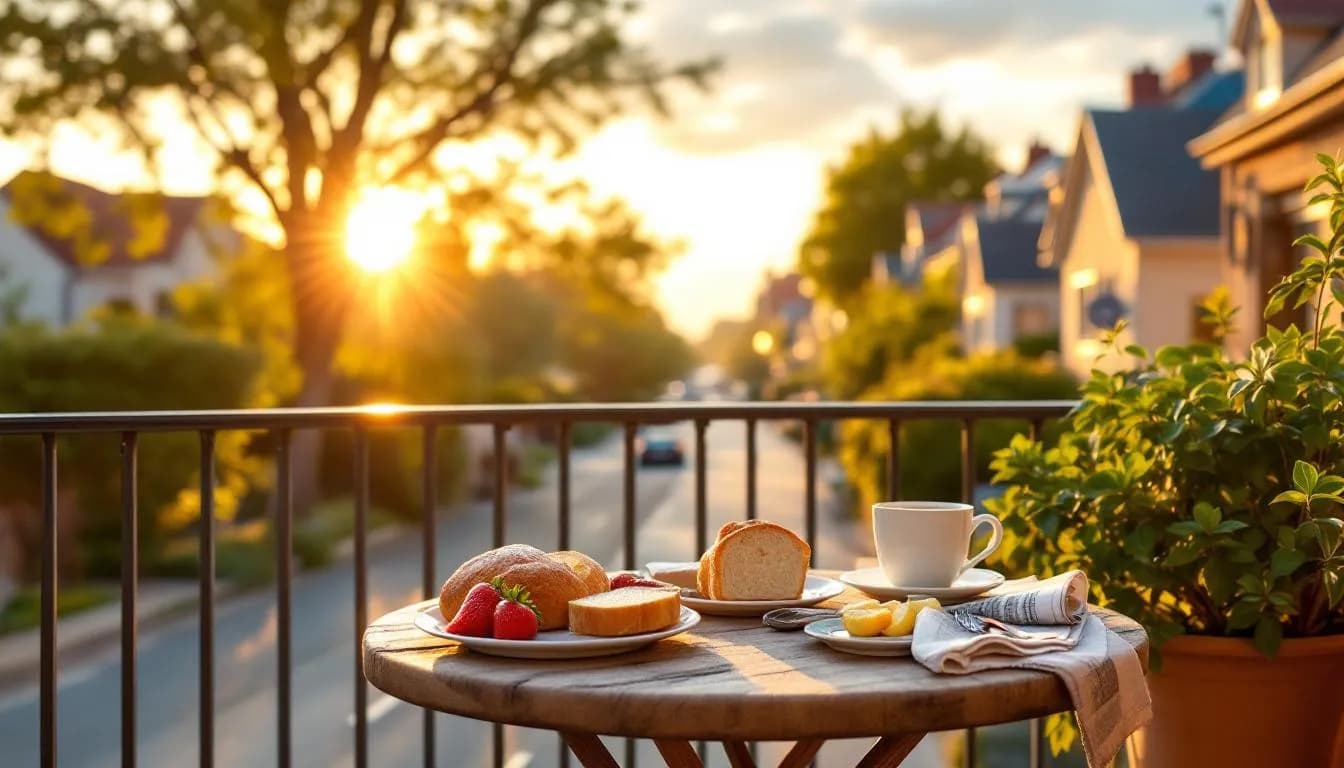
The first month after I moved abroad, I woke up every morning in a mild panic. No meetings. No deadlines. No reason to be anywhere at any particular time. After 40 years of structuring my life around work, the sudden freedom felt less like relief and more like freefall.
Two years in, I've found a rhythm that works without being rigid. It's not about replacing one schedule with another—it's about building a life that feels full without feeling forced.
What Actually Fills the Time
I spend about two hours most mornings at a café, usually with a book or my tablet. It's become my anchor—not because I need to be productive, but because I've learned I need some kind of daily touchstone. That small routine keeps me from drifting through the day.
The rest of my time breaks down loosely: grocery shopping and cooking take up more time than they used to (in a good way), I walk a lot more than I ever did back home, and I've picked up projects I'd been putting off for years. Right now that's learning basic Spanish and finally going through decades of family photos.
- Mornings: café time, reading, planning errands
- Midday: markets, cooking, language practice
- Afternoons: walks, projects, or absolutely nothing
- Evenings: dinner out once or twice a week, otherwise at home
The Things Nobody Warns You About
You'll get bored. Not every day is an adventure, and that's fine—it's life, not a vacation. Some weeks I realize I've barely left my neighborhood, and I'm learning to be okay with that. The pressure to constantly explore or justify your new life abroad fades after the first year.
You'll also feel guilty about not being busier. I still catch myself thinking I should be doing more, accomplishing something. Then I remember I spent four decades doing exactly that, and this life was the whole point of leaving.
Give yourself at least six months before you judge whether your new routine is working. The first few months you're still in tourist mode, and it takes time to settle into actual living.
Building Your Own Structure
I've found a few things help: one regular commitment (for me it's a weekly Spanish conversation group), one physical activity (walking counts), and one ongoing project that's purely for my own interest. That's enough structure to keep me engaged without turning retirement into another job.
Some of my expat friends have gotten really into volunteering or taken part-time consulting work. Others have gone the opposite direction and embraced total flexibility. The key is figuring out your own tolerance for unstructured time—it's different for everyone, and it might surprise you.
Ready for the next step?
Check out our country-specific guides to see exactly how to apply these steps in your dream destination.
Browse Country Guides