When people back home ask what life in Cuenca is like, they expect something exotic. The reality is mostly just... normal. Coffee in the morning, errands, a Spanish class, dinner with friends. The difference is that the same routine costs a fraction of what it did in the States.
Here's what a typical week actually looks like - real numbers, real trade-offs, no glossy spin.
Mornings: Market Runs and $140 Grocery Bills
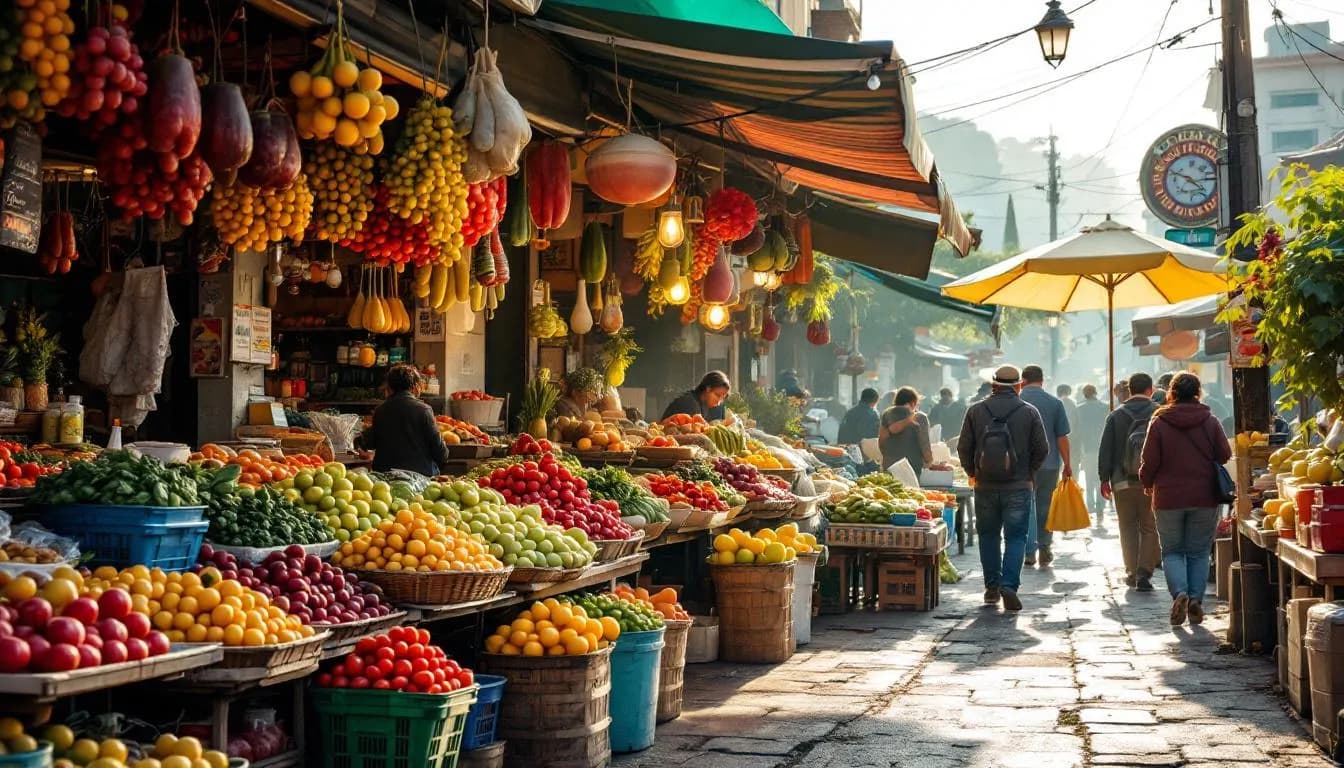
Three times a week, it's a 15-minute walk to Feria Libre, Cuenca's main open-air market. Monthly grocery spending runs around $140 - and that's not cutting corners. Fresh produce, meat, eggs, everything.
The first few visits feel overwhelming. Half the vegetables are unfamiliar, and your Spanish might not be there yet. But pointing works fine, and vendors are patient. Within a few weeks, you'll have your regular spots.
Bring small bills to the market. Most vendors can't break a $20, and fumbling for change holds up the line.
Afternoons: Spanish Class and Getting Around
Group Spanish classes at schools in El Centro run $5–8 per hour. Private lessons are $10–15. Most schools offer flexible scheduling, which makes it easy to fit around other plans.
- Group sessions: $5–8/hour
- Private lessons: $10–15/hour
- Practical focus helps most - utility calls, doctor visits, restaurant orders
- Progress comes faster if you practice outside class, even in small ways
Getting around the city is cheap. Monthly transport - mostly taxis when hauling groceries or when it's raining - runs about $21. The apartment in El Centro puts most things within walking distance anyway.
Ecuador uses the U.S. dollar. No exchange rate math, no unfamiliar coins - one less thing to figure out.
Healthcare: What It Actually Costs
Private health insurance in Cuenca runs around $100 a month. Specialist visits cost roughly $45 out of pocket, and wait times are short - in and out in under an hour is common. Many doctors in private clinics speak English, though not all.
The quality is solid for routine and specialist care. It's not on par with the top private hospitals in Thailand or Malaysia, but it's more than adequate for everyday needs. For anything major, flying back to the States or to a larger city is always an option.
Evenings and the Real Cost of Living
A decent meal at a local restaurant runs $4–6. A nicer dinner out is maybe $12. Monthly dining out comes to around $55 - which sounds impossible until you're actually doing it.
Cooking at home is even cheaper. Fresh avocados are about 50 cents each. A whole chicken is $5. The ingredients are good, and it's hard to eat poorly at these prices.
After dinner, most evenings are low-key - reading, Netflix (internet is decent, not fast), or catching up with the local expat community. There's a small but active group of Americans and Canadians who've settled into weekly dinners and weekend hikes.
The Full Monthly Budget - No Surprises
- Rent (1-bedroom, city center): $381
- Utilities: $44
- Internet: $29
- Groceries: ~$140
- Dining out: ~$55
- Transport: ~$21
- Health insurance: ~$100
- Total: ~$770/month
That's less than half what a comparable lifestyle cost in Oregon - and nothing was being skimped on. The biggest adjustment isn't the money. It's the pace. Things move slower here. The bus comes when it comes. Errands require in-person trips. That's frustrating at first, and then mostly just becomes normal.
Six months in, the routine works. Not every day is easy, but the trade-offs - weather in the low-to-mid 70s year-round, walkable city center, low costs, good food - make it hard to argue with.
Ready for the next step?
Check out our country-specific guides to see exactly how to apply these steps in your dream destination.
Browse Country Guides