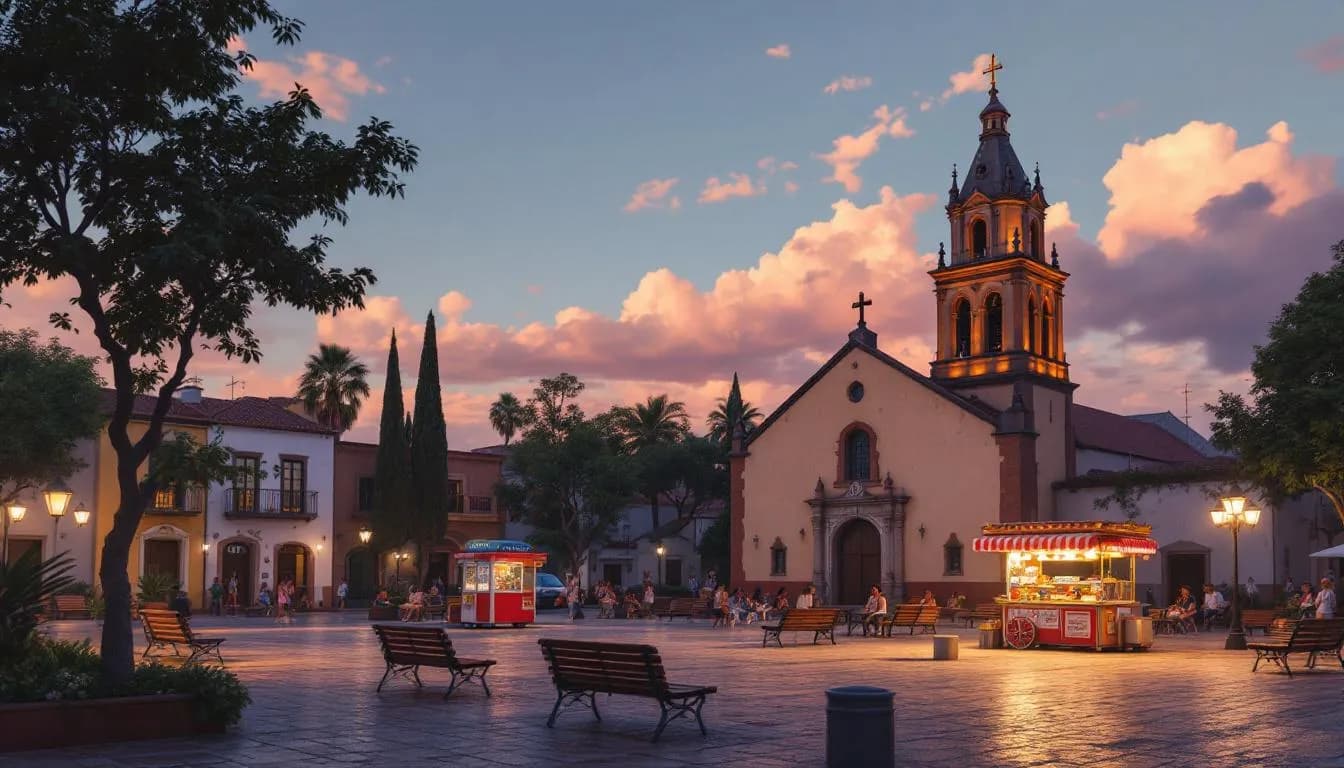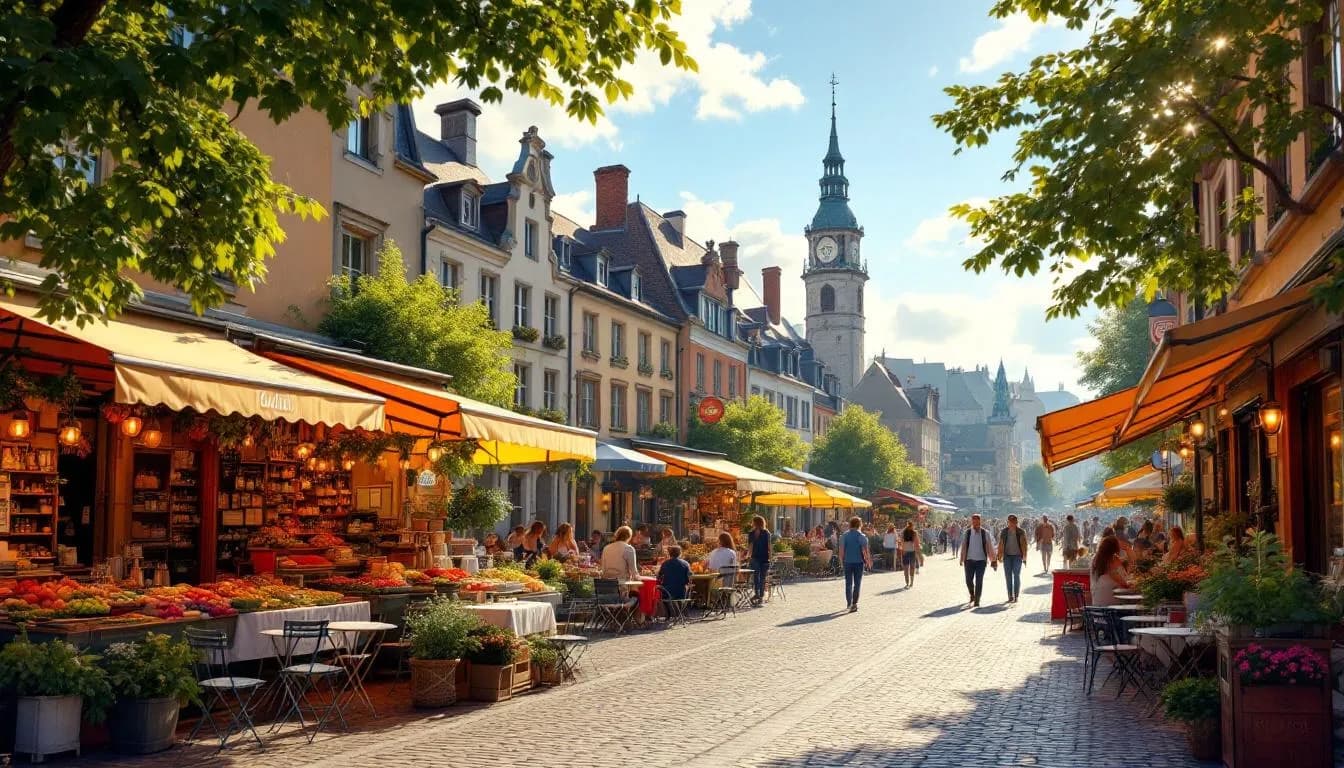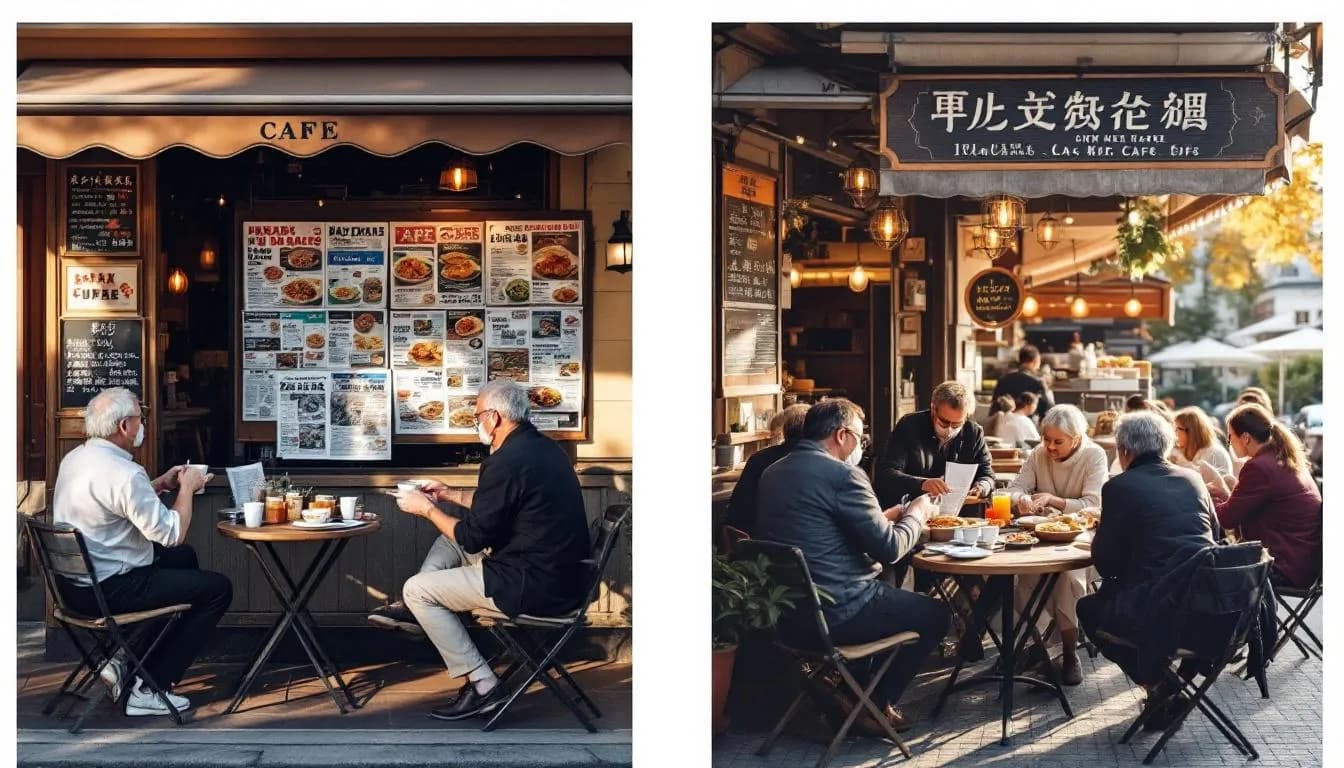
You'll spot the expat scene fast - certain cafes, Facebook groups, trivia nights, familiar accents. Some retirees dive straight in. Others avoid it entirely, determined to 'really' live abroad. Both instincts are understandable, and both can trip you up.
Most people who've been abroad five-plus years land in the middle. Not because they compromised, but because they figured out what they actually needed. Here's how to think about it.
What Expat Communities Are Actually Good For
Expat groups get a bad reputation, but they serve real purposes - especially in year one. Someone who's already dealt with local bureaucracy, found an English-speaking dentist, or figured out which bank won't eat your fees with foreign transaction charges is genuinely useful. You don't have to learn everything the hard way.
The practical help is expected. What catches people off guard is the emotional side. When you're homesick at Thanksgiving or just worn down by how long everything takes, talking to someone who gets it without a full backstory is a real relief.
- Fast answers on banking, insurance, neighborhoods, and doctors
- A ready social network before you've built your own
- English-language activities - book clubs, hiking groups, volunteer work
- People who understand what you're going through without explanation
The downside is real though. Spend too much time in the expat bubble and two years in you might realize you haven't actually moved abroad - you've just relocated your American life somewhere cheaper. That's not what most people are after.
What Local Integration Actually Looks Like
When you're genuinely part of local life - shopping at the neighborhood market, making real friends, picking up the language - daily life gets richer. You find the good restaurants that don't cater to tourists. You start to understand the jokes.
- Language skills improve fast through daily real-world use
- Access to cultural experiences most expats never find
- Friendships built on something other than a shared passport
- A genuine sense that you live there, not just visit long-term
That said, operating in a second language all day is tiring. Cultural differences that seemed charming at first can wear on you. And when something serious happens - a health scare, a family crisis back home - you'll want people around who instinctively understand where you're coming from.
English proficiency varies a lot by country. Malaysia, the Philippines, and Portugal make local integration easier for English speakers. In Mexico, Thailand, or Ecuador, daily life in the local language takes more effort - factor that in when choosing where to retire.
How Most Retirees End Up Blending Both
The split usually isn't a deliberate decision - it evolves. In your first few months, you'll lean heavily on expat networks because everything's new and a lot is overwhelming. After a year or two, as the language clicks and you find your footing, you'll naturally drift toward more local connections. That's the normal arc.
You might use an expat group to find a local Spanish conversation class. Or join a local hiking club but meet up with English-speaking friends after to decompress. That's not a compromise - that's just a real life.
- Use expat groups for practical advice and early socializing - that's what they're for
- Push yourself to join at least one local activity: a sport, a class, a volunteer group
- Seek out long-term expats (5+ years) who've integrated deeply - they're a useful reference point
- Don't feel guilty for wanting English-language social time
- Let the balance shift naturally as you get more comfortable
Signs You've Tilted Too Far in Either Direction
You're too deep in the expat bubble if it's been a year and you can't name three local friends, you're still complaining about 'how they do things here,' or you haven't picked up basic phrases in the local language. At that point you're living a theme-park version of the country.
On the flip side, you've pushed local integration too hard if you're exhausted all the time, avoiding other English speakers out of principle, or if it feels like a test you're trying to pass. That's performance, not integration.
Integration looks different depending on where you land. In Portugal or Spain, locals are used to foreign retirees and the adjustment tends to be gradual. In a small town in Ecuador or Vietnam where you're one of very few foreigners, local connections often form faster and more intensely.
Your Balance Is Yours to Set
Stop worrying about being the 'right kind' of expat. Some people thrive at 80% local integration. Others are happiest at 40%. Your personality matters - introverts often need more familiar cultural anchors, while others jump into local life easily and don't look back.
Give yourself room to change your mind too. You might start off determined to go full local, then realize you miss English-language humor. Or plan to stick with expats, then find yourself genuinely drawn into a local tradition. Both shifts are fine. You're building a life, not proving a point.
Ready for the next step?
Check out our country-specific guides to see exactly how to apply these steps in your dream destination.
Browse Country Guides