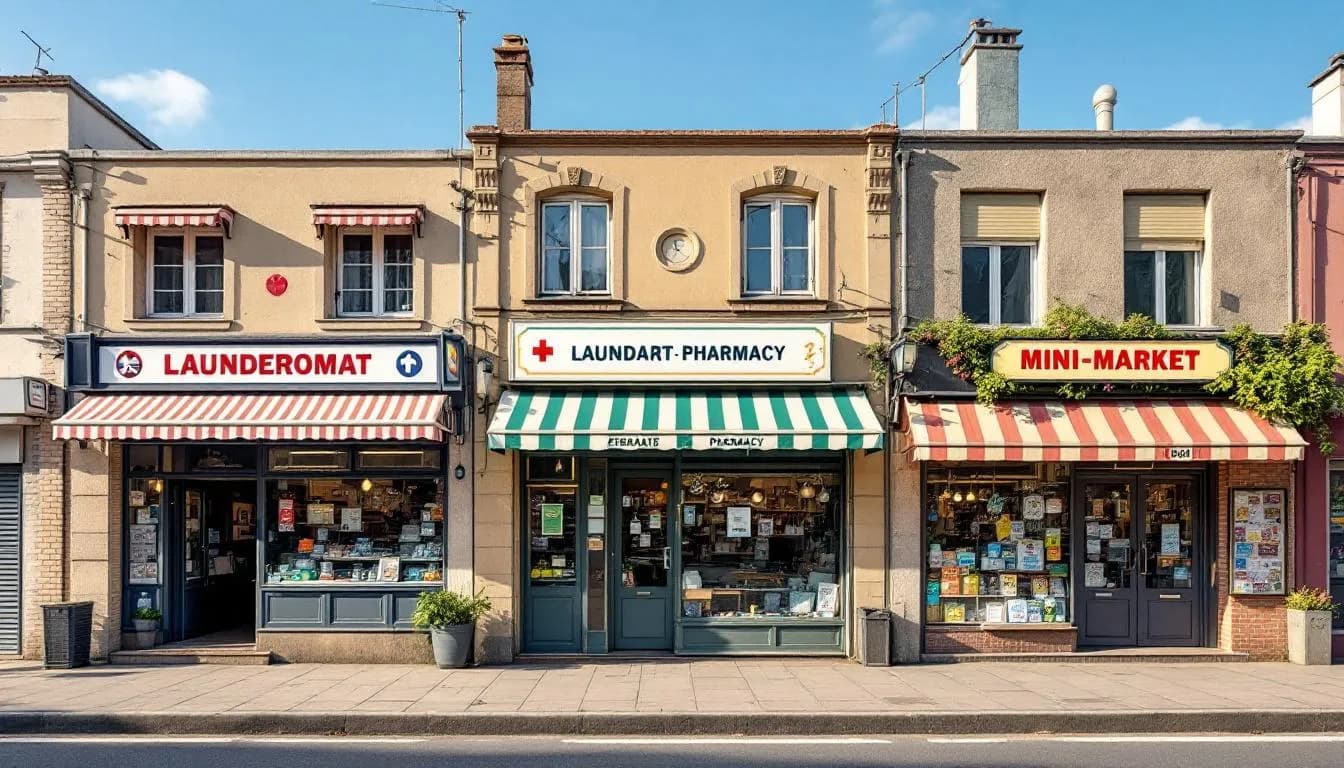
Picking a country is the exciting part. But once you're there, life runs on the mundane stuff - getting money out of the bank, buying groceries, keeping the lights on, and seeing a doctor when something hurts. These things work very differently depending on where you land.
Most of it works fine once you know the right approach. A few things will surprise you - in a good way.
Banking and Moving Money
Most local banks won't open an account until you have a residency permit. Once you do, it's worth setting one up. A local account makes rent, utilities, and daily spending much simpler than leaning on a U.S. card with foreign transaction fees every time you buy coffee.
For moving money between countries, skip the bank wire. Services like Wise or OFX charge roughly 0.5–1% and clear in a day or two. Traditional bank wires can run 3–5% and take a week.
- Keep your U.S. bank account for Social Security deposits and any U.S. bills
- Open a local account once you have residency for rent, utilities, and daily spending
- Use Wise or OFX to transfer money between countries - not your bank's wire service
- Let your U.S. credit cards know you've moved so they don't flag every purchase
Don't close your U.S. bank accounts. You'll need them for Social Security, tax payments, and emergencies. Most expats keep both indefinitely.
Groceries and Household Supplies
Local markets beat supermarkets for fresh produce, meat, and fish - prices run 30–50% lower, and quality is usually better once you figure out which vendors the regulars use. Supermarkets are more useful for packaged goods, dairy, and cleaning supplies.
Delivery apps like Glovo and Rappi work well in cities across Portugal, Spain, Mexico, and Colombia - usually 30–60 minutes for $2–5. In Malaysia and the Philippines, wet markets don't typically deliver, so you'll shop in person or use supermarket apps instead.
Utilities and Internet
Setting up utilities usually requires your residency card and a local bank account for auto-pay. In Europe, landlords sometimes bundle utilities into rent - convenient, but often priced higher. In Latin America and Southeast Asia, you'll manage your own accounts and pay monthly through banking apps or convenience stores.
Internet quality matters when video calls are your main line to family back home. Portugal, Spain, Thailand, and Vietnam all offer solid fiber connections for $20–40 a month. Mexico can be inconsistent outside major cities. Most providers require a one-year contract, but installation typically happens within a week.
- Ask your landlord which internet provider works best in your specific building
- Test mobile hotspot speeds before committing to a home contract
- Set up auto-pay for utilities to avoid service interruptions
- Save confirmation numbers when paying utility bills in person
Healthcare and Pharmacies
Most American expats use private healthcare, even in countries with decent public options. Monthly private insurance runs roughly $75–200 in places like Thailand, Portugal, and Mexico - and gets you fast appointments, English-speaking doctors, and no referral runaround. Public systems cost less but come with more paperwork and longer waits.
Pharmacies abroad are more useful than you'd expect. Many medications that require a prescription in the U.S. are available over the counter, and pharmacists routinely handle minor issues on the spot. Common prescriptions - antibiotics, blood pressure meds, cholesterol drugs - often run $5–15 without insurance. A lot of retirees find they spend less on healthcare overall than they did with Medicare supplement plans back home.
Medicare doesn't cover you outside the U.S. Budget for private international health insurance or a local plan before you move - don't treat it as optional.
Ready for the next step?
Check out our country-specific guides to see exactly how to apply these steps in your dream destination.
Browse Country Guides