You won't find me rushing to a 24-hour grocery store at 10 PM in Ljubljana. That's not how life works here, and honestly, I don't miss it. The city runs on a different clock—shops close early, Sundays are quiet, and most things happen between breakfast and dinner.
Your $3,000 monthly budget goes further when you embrace these rhythms instead of resisting them. My rent runs $743 for a one-bedroom near the city center, utilities add $279, and groceries cost about $350 if I shop at the central market twice a week.
Morning Routines and Market Days
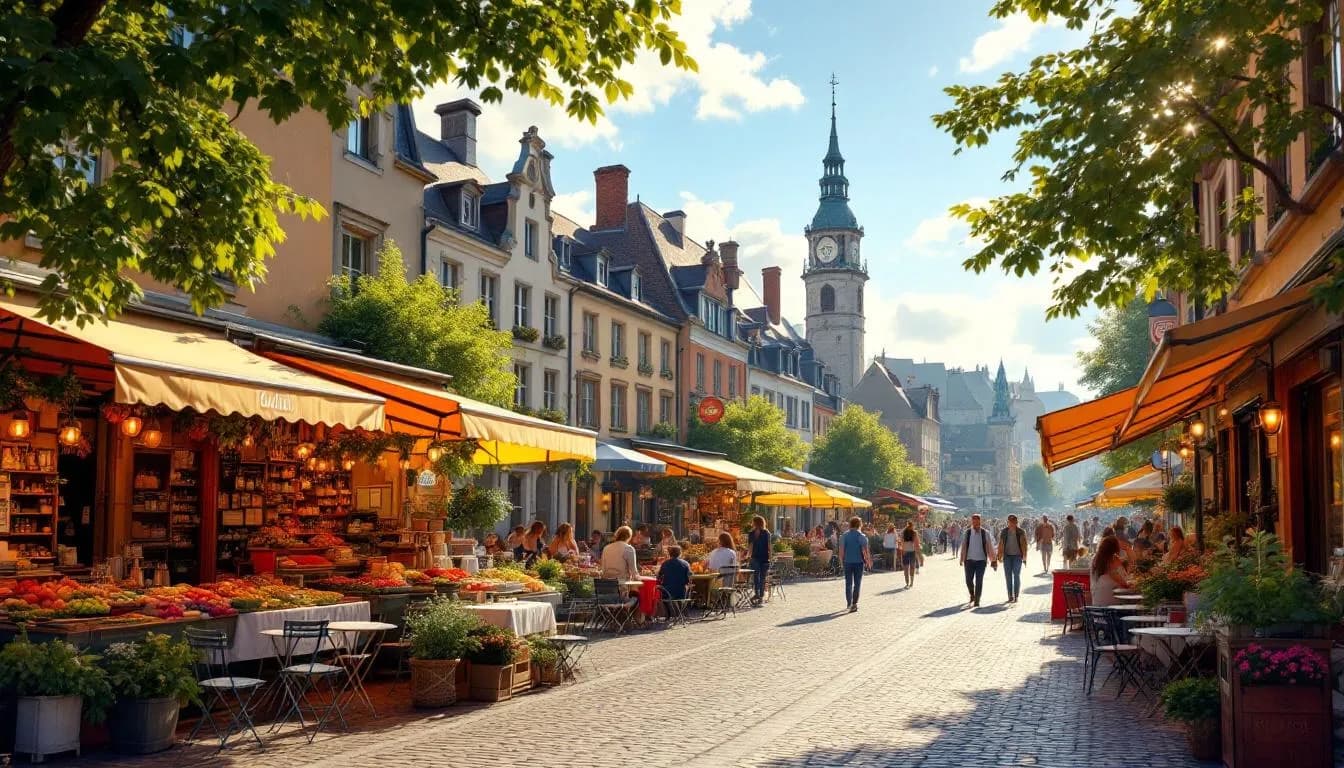
I'm up by 7 AM most days, not because I have to be, but because that's when the city wakes up. The Central Market opens at 6 AM on weekdays, and by 8 AM the best produce is already picked over. I go twice a week—Tuesdays and Fridays—and spend about $40 each trip on vegetables, cheese, bread, and whatever's in season.
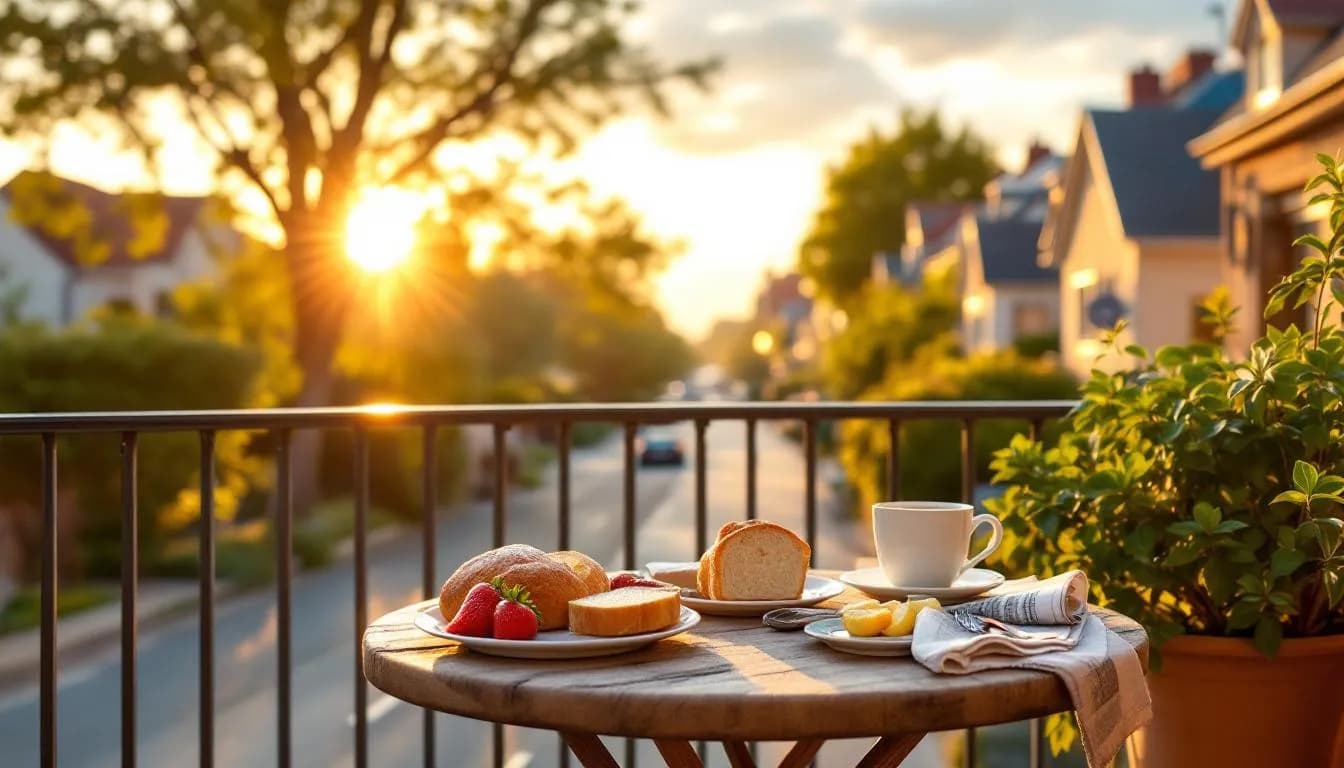
Coffee culture here means sitting down, not grabbing a to-go cup. A cappuccino at my corner café costs €1.50, and the owner knows I take it with less foam. I budget $40 monthly for transport—a monthly bus pass I barely use because most of the old town is walkable.
Shops close between 7-8 PM on weekdays and are mostly closed Sundays. Stock up on Saturdays or you'll be making do with what's in your fridge.
Healthcare and Practical Matters
I pay $80 monthly for supplemental health insurance that covers what the public system doesn't. Doctor appointments require booking a week or two ahead unless it's urgent. My GP speaks English well enough, though I've learned basic Slovenian phrases for the pharmacy.
Banking took three visits to set up properly. Internet service costs $38 monthly for reliable speeds, but installation required a technician appointment during business hours—no evenings or weekends. You learn to adjust your schedule around these things.
- Post office hours: 8 AM-6 PM weekdays, closed weekends
- Bank branches: 9 AM-5 PM, some close for lunch
- Municipal offices: Morning appointments only, bring patience
- Pharmacy: At least one 24-hour location in every neighborhood
Afternoons and Social Life
Lunch is the main meal here, not dinner. Restaurants offer daily menus between noon and 3 PM—soup, main course, and salad for €8-12. I eat out three times a week and cook the rest, keeping my dining budget around $195 monthly.
The expat community is small but connected. I met most people through a hiking group that meets Saturday mornings. English proficiency is high among younger Slovenians, but older folks prefer their own language. I'm learning, slowly, because it matters for daily interactions.
Evening Hours and Weekends
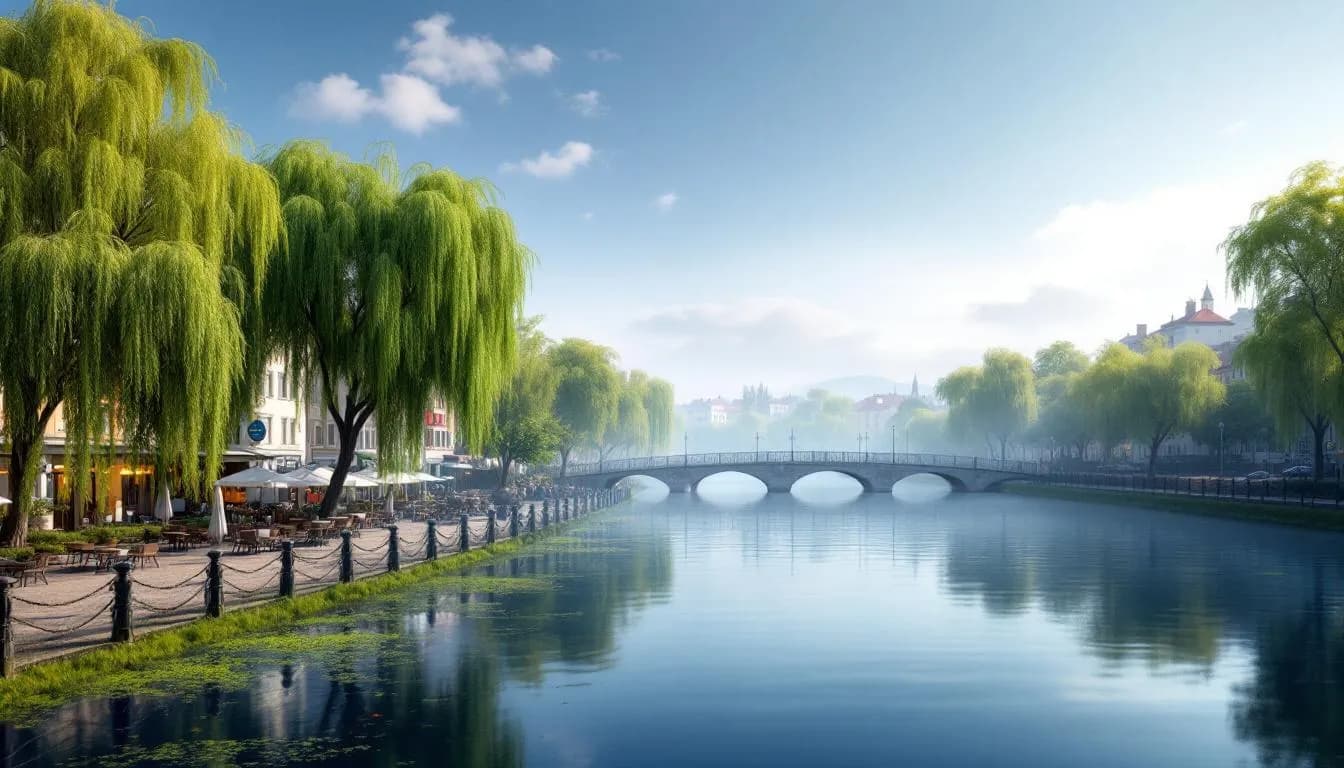
The city quiets down after 9 PM. I walk along the Ljubljanica River most evenings—it's free, safe, and becomes routine. Theater tickets run €15-25, and there's always something happening at Cankarjev Dom, the cultural center.
Weekends mean day trips. A train to Lake Bled costs €8 round-trip. The Adriatic coast is two hours by bus. Slovenia's small size makes everything accessible, but you need to plan around Sunday closures. I keep a stocked fridge and don't expect much to be open.
Ready for the next step?
Check out our country-specific guides to see exactly how to apply these steps in your dream destination.
Browse Country Guides