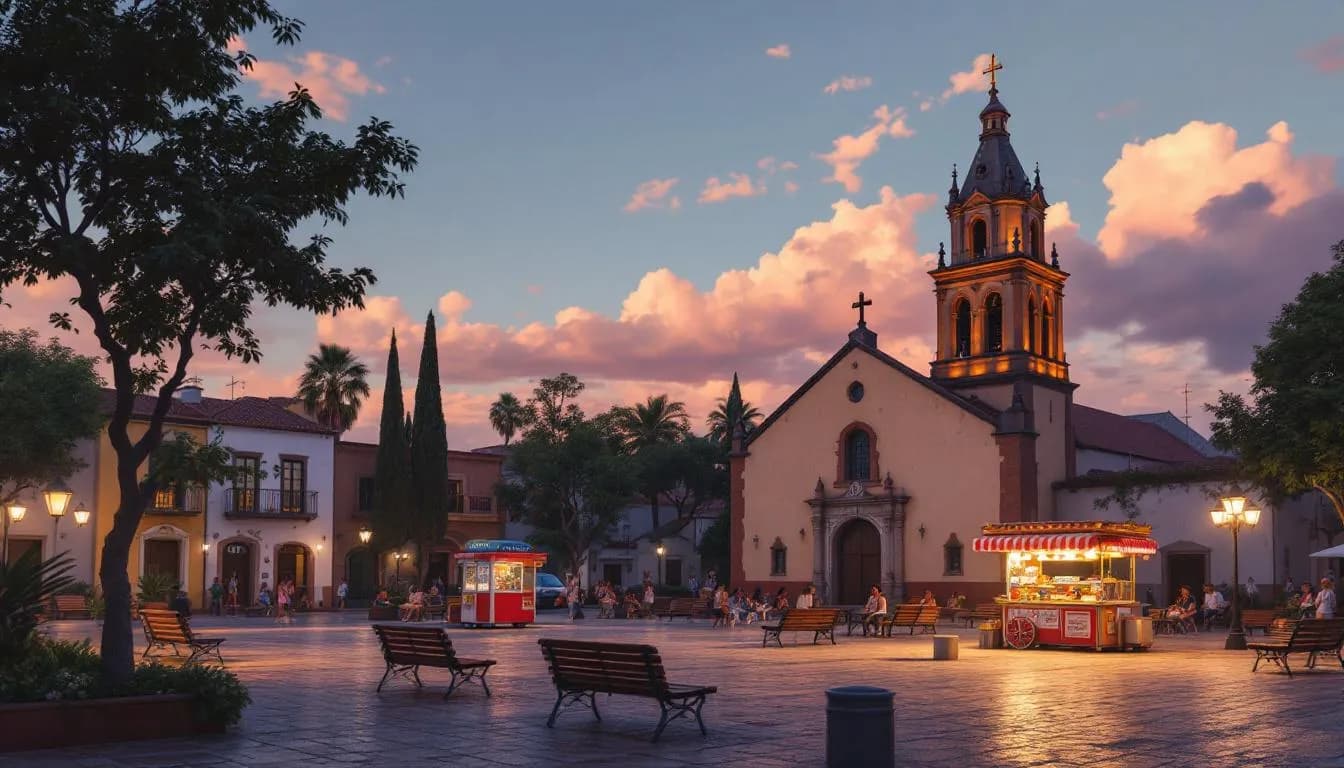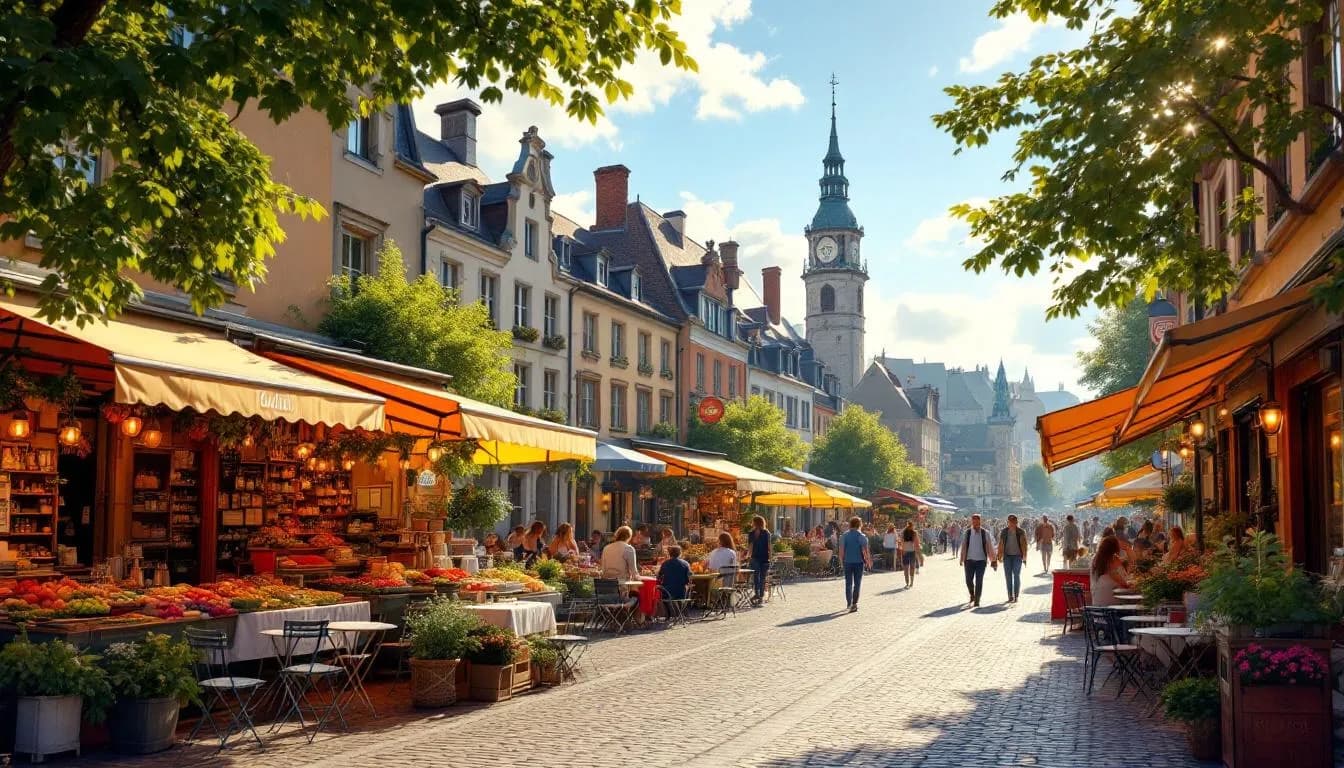
There's no dramatic turning point. No ceremony. You just notice one day that you ordered coffee without rehearsing it, that you know which market has the best produce, that you laughed at something on local TV without needing it explained.
These aren't the milestone moments people post about online. They're quieter than that. But they're the ones that actually mean something.
Money Stops Being a Math Problem
For the first few months, every price gets converted in your head. A 500 baht dinner is "like $14." A 250 peso grocery run is "about $15." You're doing mental math constantly without even realizing it.
Then it fades. You just know what things cost here, and that becomes the reference point. You've crossed that line when someone asks your rent in dollars and you actually have to stop and calculate it.
Keep one credit card with no foreign transaction fees and use it for everything. Reviewing your monthly statement in dollars gives you a reality check without converting every single purchase.
You Learn the Routes Nobody Mentions
Early on, you follow Google Maps everywhere - main streets, obvious routes, the places tourists use. Over time, you build your own map. The back entrance to the market, the bus line that's faster at rush hour, the pharmacy that actually stocks what you need.
- You have a regular cafe where they know your order
- You recognize neighbors and shopkeepers by sight
- You know which days to avoid certain streets - market days, school pickup, local events
- You have opinions about which bank branch has the shortest line
None of this is planned. It builds through repetition, the same way you once knew the fastest checkout line at your grocery store back home.
Language Gets Less Exhausting
You don't need to become fluent. In places with lower English proficiency - Ecuador, Thailand, Panama - you'll pick up the 40 or 50 phrases that cover 90% of daily life. Ordering food, handling basic transactions, asking for directions. These stop requiring mental preparation.
The bigger shift is confidence. You stop apologizing for your accent. You're okay being misunderstood sometimes. You know what works and what doesn't.
Even in English-friendly countries like Portugal or Malaysia, learning a few courtesy phrases in the local language changes how people respond to you. It signals effort - and that matters more than fluency.
You Stop Comparing Everything to Home
For the first six months, everything is measured against what you left. The coffee's stronger, the internet's slower, the healthcare's cheaper, the bureaucracy's more frustrating. You're constantly scoring your new life against your old one.
Eventually, you stop. Not because the differences disappear, but because this place has its own context now. Dinner at 10 PM in Spain or a two-hour lunch break in Panama stops being an inconvenience - it's just the rhythm. You adjust your schedule instead of resenting theirs.
Ordinary Days Start Feeling Ordinary
When you first arrive, weekends are for sightseeing. A few months in, that changes. You're reading at the same cafe on Saturday mornings, walking the same trail on Sundays, meeting the same people on Friday nights.
- You know which days the farmer's market has the best selection
- You've found a barber or stylist you actually trust
- You have a go-to walk for when you need to clear your head
- You have opinions about local restaurants tourists never find
You don't need to become a local. You just need to stop feeling like a guest. When a boring Tuesday feels completely normal - not temporary - that's when you know you've actually settled in.
Ready for the next step?
Check out our country-specific guides to see exactly how to apply these steps in your dream destination.
Browse Country Guides