Once you're living abroad, you'll be moving money regularly — rent, utilities, the occasional bigger purchase. Most people assume a wire transfer is a wire transfer. It's not.
The fee your bank shows you upfront is usually the smallest part of what you're paying. The real cost is buried in the exchange rate — and it adds up fast when you're doing this every month for years.
What Bank Wire Transfers Actually Cost You
Your U.S. bank will send an international wire without much hassle. What they won't advertise: a 3–5% exchange rate markup on top of the $30–60 transfer fee you do see. The receiving bank abroad often tacks on another $10–30. On a $2,000 transfer, that's $100–160 gone before you touch a cent.
Bank wires make sense for large one-time moves — buying property, sending $50,000 or more — where the percentage hit is less painful at scale. For covering monthly expenses, you're just leaving money on the table every single month.
Online Transfer Services: The Better Option for Most Retirees
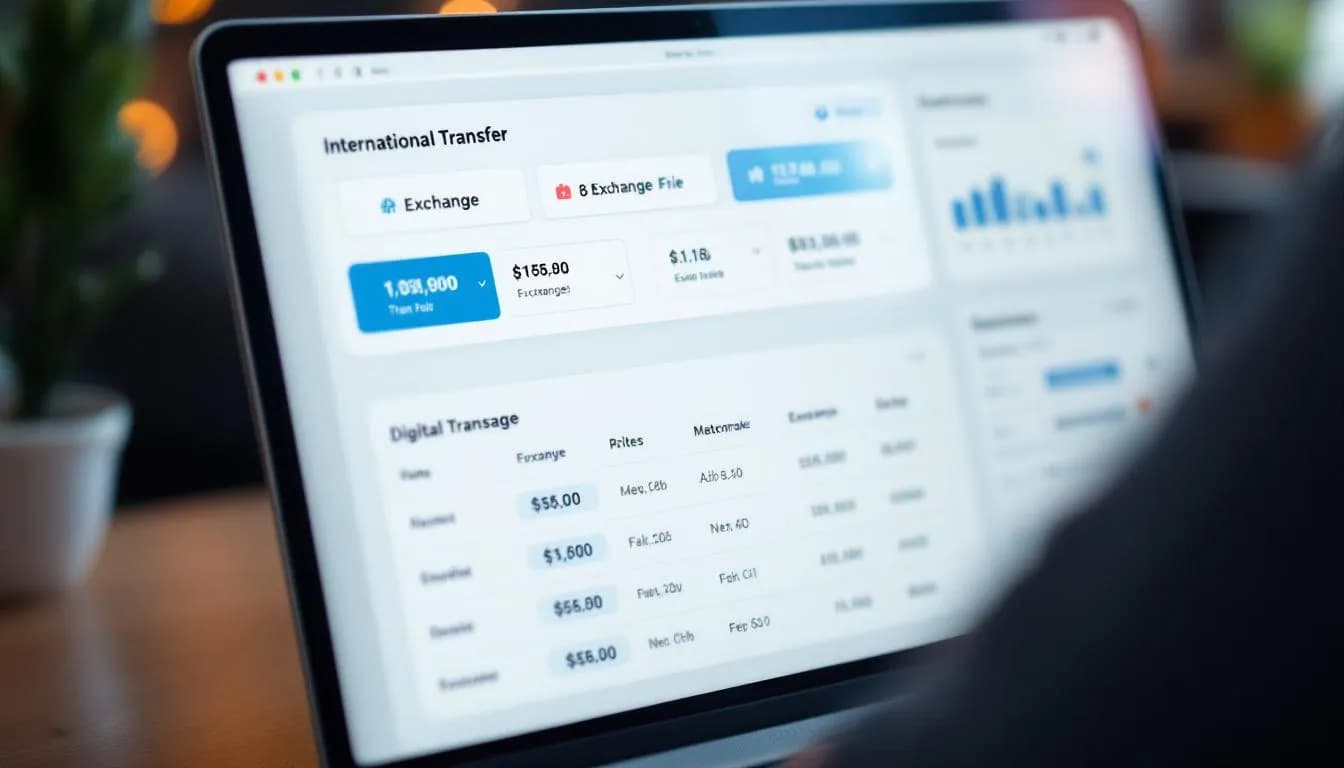
Services like Wise, OFX, and Remitly use the real mid-market exchange rate — the same number you'd see on Google or XE.com — and charge a transparent fee instead of hiding profit in the rate. On a $1,500 rent payment, Wise typically costs $7.50–15. A bank costs you $90–150 for the same transfer.
- Wise: Best for transparency and regular transfers in the $500–5,000 range. Arrives in 1–3 business days, sometimes same-day.
- OFX: Better rates for larger amounts over $10,000, with no fees above certain thresholds.
- Remitly: Solid for smaller amounts to Latin America and Southeast Asia.
- Revolut: Worth having if you want a debit card that works across multiple currencies without constant conversion fees.
Set up and verify your transfer account before you leave the U.S. Some services flag new accounts opened from a foreign IP address and hold transfers for extra review — not what you want when rent is due.
Opening a Local Bank Account
Once you have residency, a local bank account changes everything. You do one larger transfer every month or two from the U.S., then pay rent and daily expenses locally with no international fees at all.
Most countries require proof of address and a residency permit to open an account, so this isn't a day-one solution. But once you have it, you're paying bills like a local — automatic payments, no exchange rate math every time you need to pay the landlord.
ATM Withdrawals: Fine for Cash, Terrible as a System
ATMs work fine when you need cash that day. They're a lousy way to move money regularly. Between foreign transaction fees (1–3%), ATM operator fees ($3–7), and the exchange rate markup, pulling $500 can cost you $20–40 in losses.
Charles Schwab and Fidelity reimburse ATM fees worldwide, which helps with the upfront charges. But reimbursed fees don't fix the exchange rate problem. Use ATMs for immediate cash needs only.
Tell your U.S. bank you're moving abroad before you go. Foreign transactions can trigger fraud alerts and a frozen account — bad timing when your first rent payment is due.
The Setup That Works Long-Term
Most retirees settle into a combination: Wise or a similar service for regular monthly transfers, a local bank account for daily spending once they're established, and one U.S. credit card with no foreign transaction fees kept active for online purchases and backup.
If you're sending $1,200 a month for rent in Mexico or Portugal, the difference between bank transfers and Wise adds up to $1,000 or more per year. That's real money. Run the numbers for your situation based on what actually arrives after all costs — not what the advertised fee says.
Ready for the next step?
Check out our country-specific guides to see exactly how to apply these steps in your dream destination.
Browse Country Guides