Retiring abroad doesn't cut your ties to U.S. elections. You still pay federal taxes, you still collect Social Security, and you still have every right to vote. The process is more manageable than most people expect-but it does require some advance planning.
Whether you're in Portugal, Thailand, or Mexico, the federal rules are the same. Your last U.S. state of residence is your voting address, and one form handles almost everything.
Start With the FPCA - It Does the Heavy Lifting
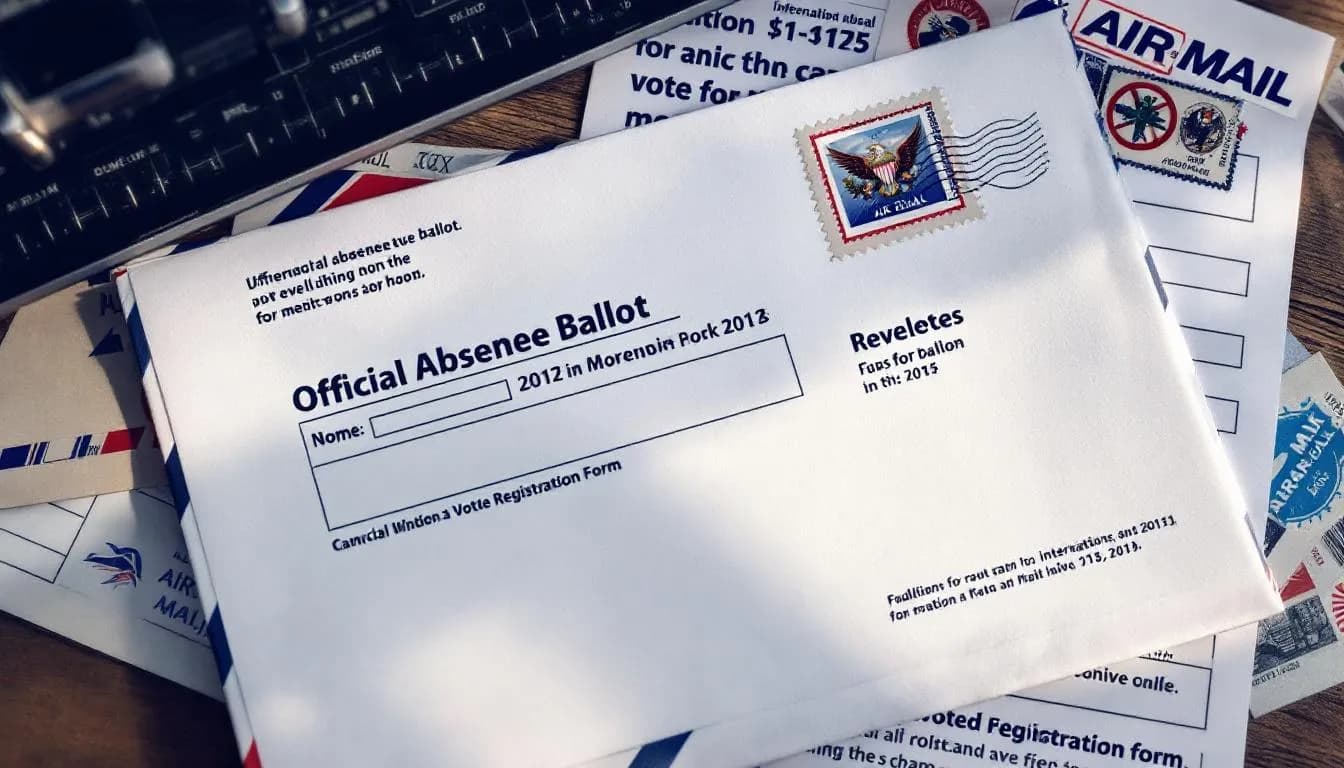
The Federal Post Card Application (FPCA) is your starting point. It registers you to vote and requests your absentee ballot in one shot. File it with your last U.S. state of residence-that's your voting home base, even if you no longer own property or have a mailing address there.
Don't assume your old registration is still active. Many states purge inactive voters, and you don't want to find out in October that you're not on the rolls.
- Submit the FPCA online at FVAP.gov - most states accept it
- It's valid for one calendar year, so resubmit every January
- Some states accept email or fax; others require a printed signature
Submit your FPCA at least 90 days before any election. State deadlines vary, and you don't want to be scrambling during election season.
How Your Ballot Gets to You
Once your FPCA is processed, your local election office sends your ballot. You'll choose how to receive it-email, regular mail, or fax. Email is the fastest option and the most reliable if you're living somewhere with unpredictable postal service.
Most states now allow electronic delivery, but you'll still need to print, mark, and return the ballot. Fully electronic submission exists in a handful of states-check yours specifically.
- Email: usually arrives within days, best option for most countries
- Postal mail: plan for 2-4 weeks depending on where you live
- Fax: a backup worth knowing about if email isn't available
Returning Your Ballot Without Missing the Deadline
This is where timing matters most. Your completed ballot has to reach your election office by your state's deadline-and international mail is slow. If you're in a country with reliable postal service, mailing early is fine. If you're in Mexico or Ecuador, don't risk it.
Many states accept emailed or faxed ballots from overseas voters, which cuts out the mail delay entirely. Check your state's rules before election season-not during it.
Civilians pay international postage to return paper ballots-typically $10–20 depending on your location. Use a tracking service if your country offers one.
If Your Ballot Doesn't Arrive, Use the FWAB
The Federal Write-In Absentee Ballot (FWAB) is your backup if your regular ballot never shows up. Download it from FVAP.gov, fill it out, and return it the same way you'd return a standard ballot. It's accepted in all 50 states.
One limitation: the FWAB only covers federal races-president, senator, and representative. State and local races won't be on it. But if you're cutting it close, it's far better than not voting at all.
Keep Track of Your State's Deadlines
Every state runs on its own calendar. Some require your ballot to arrive by Election Day. Others accept it if it's postmarked by Election Day. That distinction matters a lot when you're mailing from Costa Rica or Thailand.
FVAP.gov has a state-by-state tool with exact deadlines. Bookmark it. If you're traveling during election season, plan around it-tracking down a printer in rural Panama two days before the deadline is a bad time.
Set a recurring calendar reminder every January to resubmit your FPCA. It expires annually, and missing that step means no ballot when it counts.
Ready for the next step?
Check out our country-specific guides to see exactly how to apply these steps in your dream destination.
Browse Country Guides