Moving abroad means rethinking how you'll access the medications you take regularly. The prescriptions that cost you $50 a month in the U.S. might be $10 in Portugal or require a completely different process in Thailand. Some countries sell common medications over the counter that require prescriptions back home, while others have stricter regulations.
Understanding how to handle prescription medications abroad isn't just about saving money - it's about maintaining your health without interruption. Here's what you need to know before you go.
What's Available and What's Not
Most common medications are available worldwide, but they might have different brand names or dosages. Your blood pressure medication might be called something completely different in Spain, even if it's the same active ingredient. Before you move, make a list of your medications using their generic (chemical) names, not brand names - that's what matters internationally.
Controlled substances like opioids, benzodiazepines, and some ADHD medications face stricter regulations in most countries. Some nations won't allow certain medications at all. If you take controlled substances, research your destination country's regulations early - don't assume you can bring a three-month supply or get refills easily.
- Get a letter from your doctor listing all medications with generic names and dosages
- Research whether each medication is legal in your destination country
- Check if any of your medications are available over the counter abroad
- Ask your doctor about alternative medications if something isn't available
Don't pack medications in checked luggage. Carry them in original prescription bottles with your name visible, along with your doctor's letter. Some countries require you to declare medications at customs, especially controlled substances.
Getting Prescriptions and Finding Pharmacies
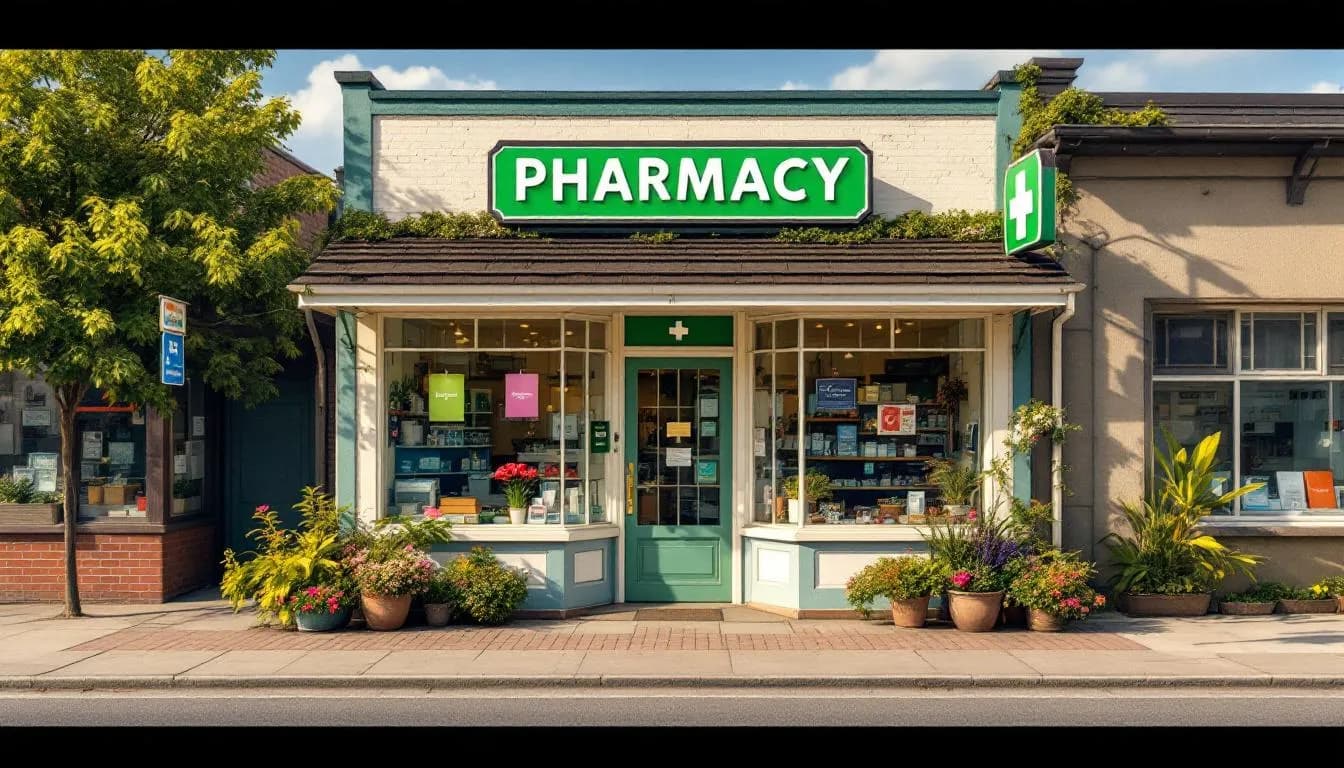
Your U.S. prescriptions won't work at foreign pharmacies. You'll need to see a local doctor to get new prescriptions in most countries. In places like Mexico, Thailand, and Portugal, many common medications are available without prescriptions - but you'll still want a doctor monitoring your health long-term.
Finding English-speaking doctors varies by location. Countries with high English proficiency like Portugal, Malaysia, and Spain typically have English-speaking doctors in major cities. In smaller towns or countries with lower English proficiency, you might need a translator for medical appointments.
- Bring enough medication to last 3-6 months while you establish local healthcare
- Ask expat groups for recommendations on English-speaking doctors
- Keep digital copies of all your medical records and prescription history
- Learn the local word for 'pharmacy' - it's not always obvious
Cost Differences You'll Actually See
Prescription costs drop significantly in most retirement destinations. That $200/month cholesterol medication might cost $30 in Mexico or $15 in Thailand. Even in European countries with similar living costs to the U.S., medications are typically cheaper thanks to government price controls.
Private health insurance in countries like Portugal, Spain, and Thailand often covers prescription medications partially or fully. Monthly premiums of $100-200 frequently include medication coverage that would cost hundreds more in the U.S. Check what's covered before assuming you'll pay out of pocket for everything.
Ready for the next step?
Check out our country-specific guides to see exactly how to apply these steps in your dream destination.
Browse Country Guides