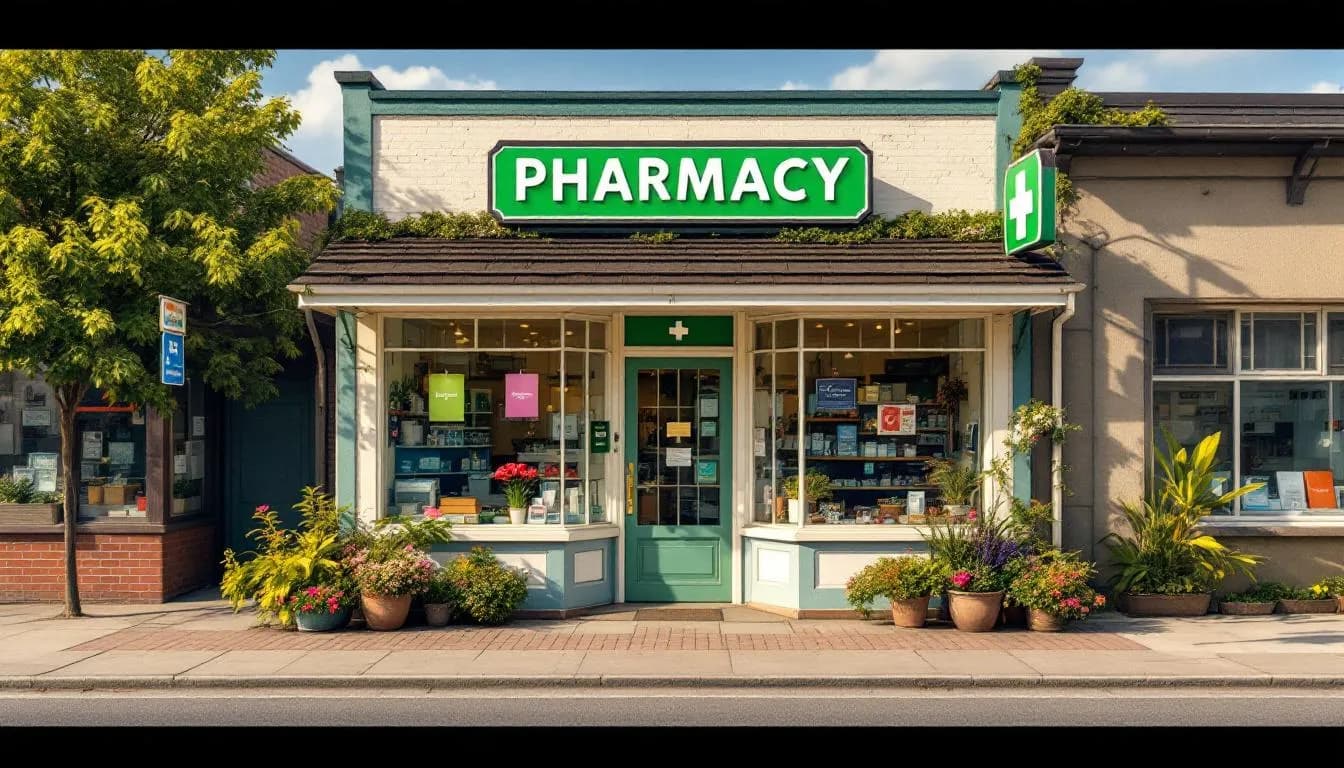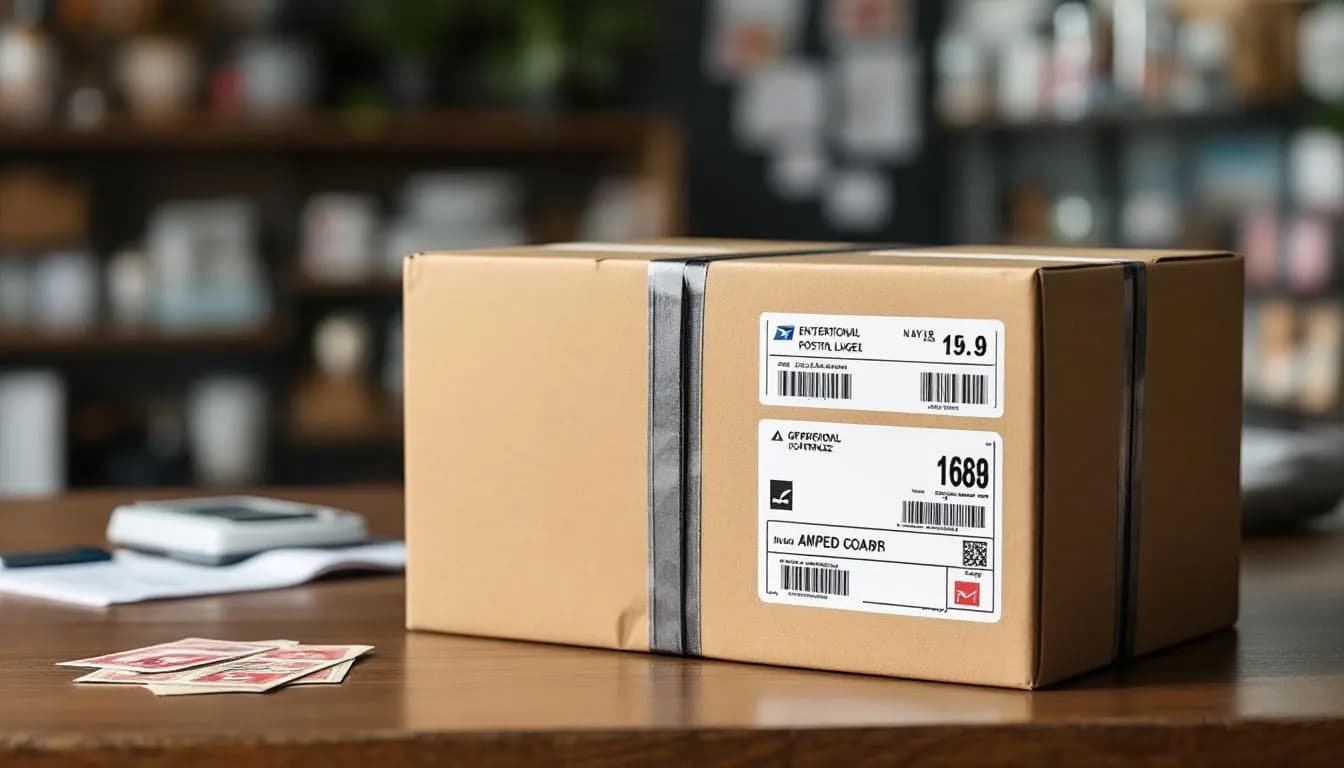
You've moved abroad, you're settled in, and then you realize you're running low on a prescription your U.S. doctor wrote. Can someone just mail it to you? Unfortunately, it's not that straightforward—and in many cases, it's not legal.
International prescription shipping involves customs regulations, pharmacy laws, and controlled substance treaties. What seems like a simple favor can turn into confiscated medication or legal trouble for both sender and receiver.
Why Mailing Prescriptions Is Complicated
Most countries prohibit importing prescription medications through regular mail. Even when it's technically allowed, packages often get seized at customs because they lack proper documentation. Your name on a pill bottle isn't enough—customs officials want to see import permits, prescriptions translated into the local language, and proof the medication is legal in their country.
Controlled substances like ADHD medications, painkillers, or anxiety drugs face even stricter rules. Many countries flatly prohibit their import regardless of your prescription. Others require advance permits that can take weeks or months to obtain.
- Temperature-sensitive medications (insulin, biologics) often spoil during international shipping
- Customs delays can mean packages sit in warehouses for weeks
- If your package is seized, you won't get a refund—and you're still without medication
- Senders can face legal consequences if they ship controlled substances internationally
Better Options for Getting Your Medications
The most reliable solution is establishing care with a local doctor in your new country. Countries with good healthcare quality like Thailand, Portugal, Spain, and Malaysia have English-speaking doctors who can evaluate your needs and prescribe local equivalents. Many medications that require prescriptions in the U.S. are available over the counter elsewhere.
For medications you can't get locally, international pharmacy services exist that legally ship to certain countries. These aren't your friend throwing pills in an envelope—they're licensed pharmacies that handle customs paperwork and comply with import regulations. Costs are higher, but packages actually arrive.
Before you move, ask your U.S. doctor for a detailed letter listing all your medications, dosages, and diagnoses. This helps foreign doctors understand your medical history and makes the transition smoother.
What About Medical Supplies?
Non-prescription medical supplies like glucose test strips, CPAP supplies, or compression stockings are easier to mail internationally, but still not guaranteed. Customs may classify them as medical devices requiring special permits. Electronics like CPAP machines can face import duties based on their declared value.
Your best approach is checking if supplies are available locally first. Many countries sell common medical supplies at pharmacies or medical supply stores, often at lower prices than in the U.S. If you need something specific, contact your destination country's customs office before shipping to ask about requirements. They can tell you exactly what documentation you'll need and whether your item is allowed.
Ready for the next step?
Check out our country-specific guides to see exactly how to apply these steps in your dream destination.
Browse Country Guides