Most American retirees abroad keep their U.S. bank accounts open, and for good reason. You'll need them for Social Security deposits, pension payments, and managing finances back home. The good news is that major banks like Chase, Bank of America, and Schwab won't typically close your account just because you moved to Portugal or Thailand. The challenge is managing the logistics that come with not being physically present.
You'll need to solve a few practical problems before you leave: where your mail goes, how to receive verification codes, and what happens when your bank needs to reach you. Here's what actually works.
Setting Up a U.S. Mailing Address
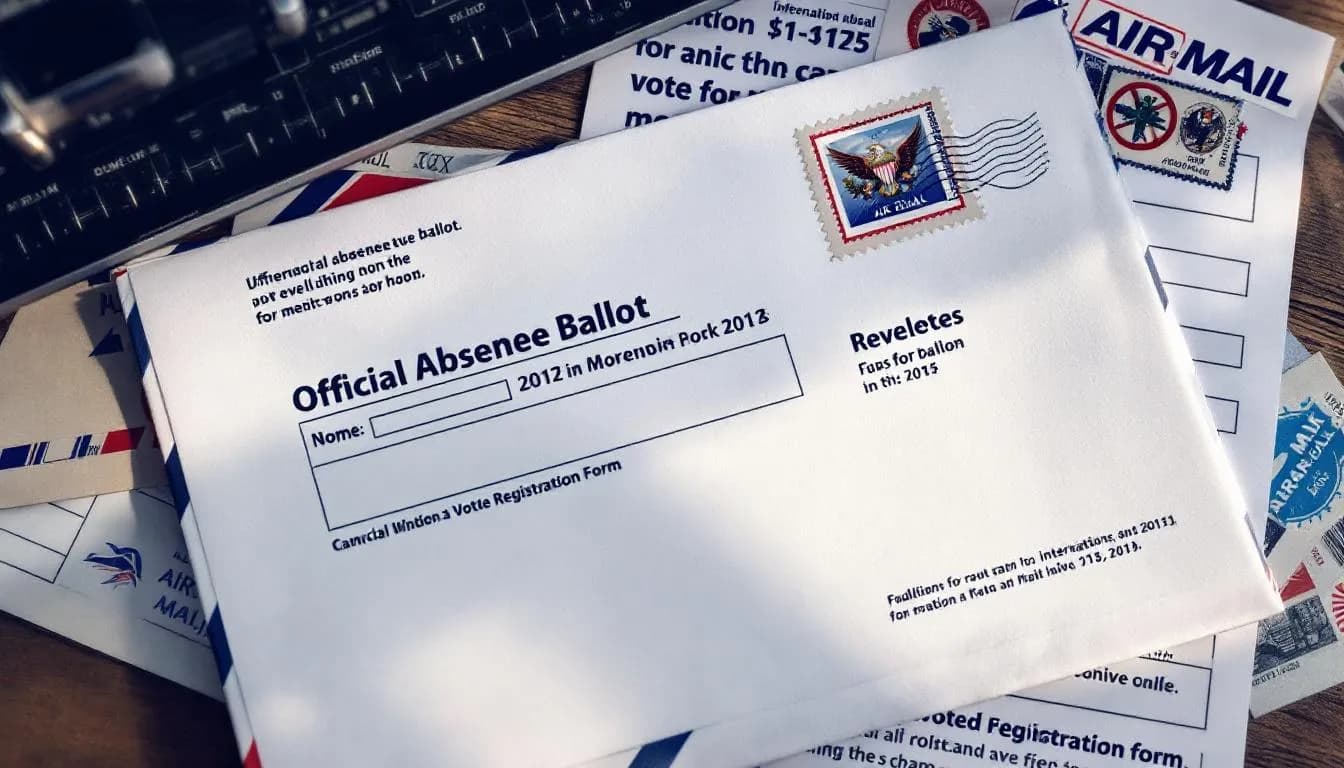
You need a permanent U.S. address on file with your bank, credit cards, and brokerage accounts. Using a family member's address is the simplest option if they're willing to scan or forward mail when needed. If that's not available, commercial mail forwarding services exist specifically for expats.
- Family or friend's address: Free and reliable if they'll forward important mail
- Commercial services like Traveling Mailbox or US Global Mail: $10-30/month, scan and forward mail, provide a real street address
- State residency considerations: Your mail address affects state taxes, so choose Florida, Texas, or another no-income-tax state if you're ending residency elsewhere
Don't use a P.O. Box as your primary address. Many banks won't accept it, and you'll need a physical street address for account verification and legal requirements.
Keeping Your U.S. Phone Number Active
Banks send verification codes to your phone number constantly. Two-factor authentication, fraud alerts, and password resets all depend on it. You can't just cancel your U.S. number and expect online banking to work smoothly from abroad.
Port your U.S. phone number to Google Voice before you leave. It's free, keeps your number active for texts and calls, and works anywhere you have internet. Just make sure you have an active U.S. number first—Google Voice won't create a new number for you if you're already abroad.
If you want to keep your existing carrier, some people maintain a cheap prepaid plan ($10-15/month) just for receiving verification codes. Ultra Mobile and T-Mobile's international plans work in many countries, but Google Voice is usually simpler and cheaper for retirees who don't need constant calls back to the U.S.
Notifying Banks and Managing Access
You don't need to announce your move abroad to every financial institution, but you should update your contact information and set travel notices to avoid frozen accounts. Some banks like Schwab are expat-friendly and won't care where you live. Others might restrict access if they detect foreign logins repeatedly.
- Update your phone number and email to ones you'll access abroad
- Set up online statements instead of paper mail
- Enable international transaction settings on credit and debit cards
- Keep at least two different banks open in case one freezes your account
- Download your bank's app and test login access before leaving
Credit card companies are generally fine with you living abroad as long as you pay your bills. Schwab, Fidelity, and USAA are known for being expat-friendly. Some smaller banks and credit unions have policies against account holders living overseas long-term, so check before you go if you're relying on a regional institution.
Ready for the next step?
Check out our country-specific guides to see exactly how to apply these steps in your dream destination.
Browse Country Guides