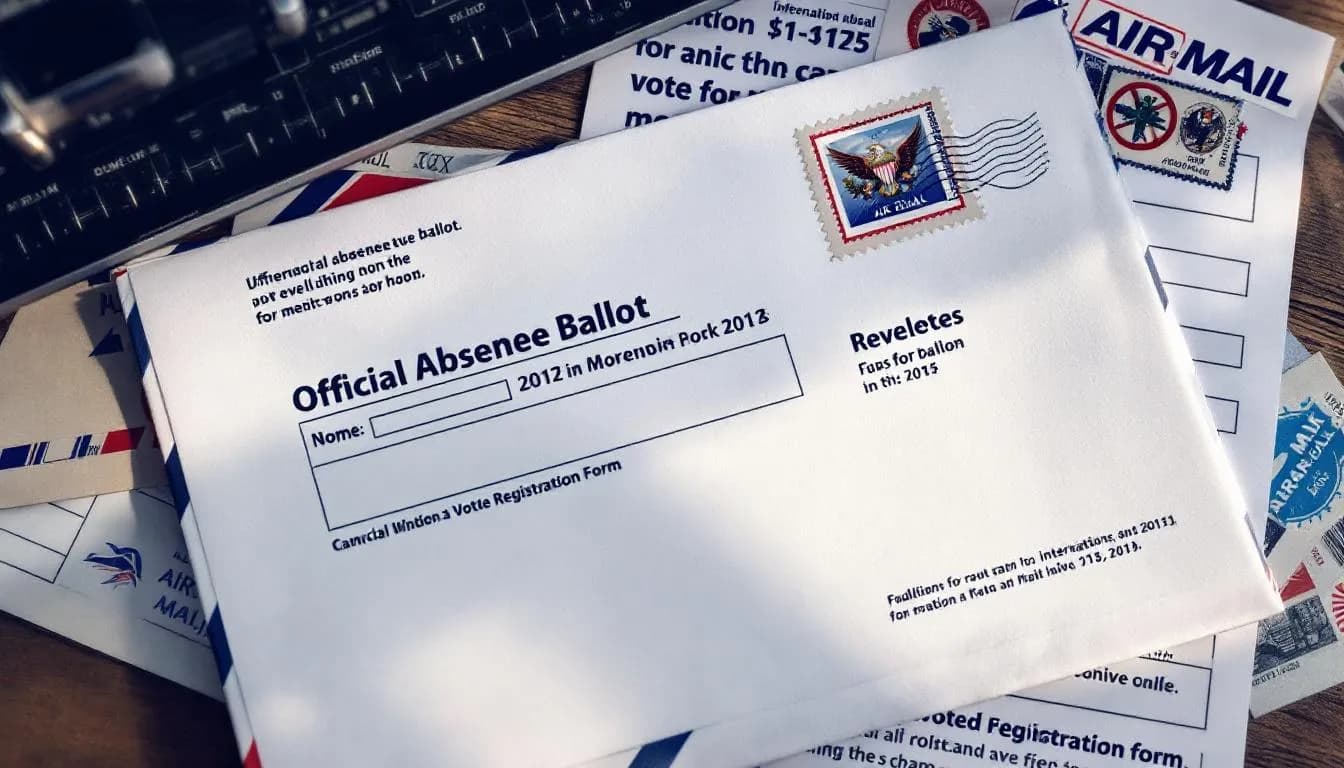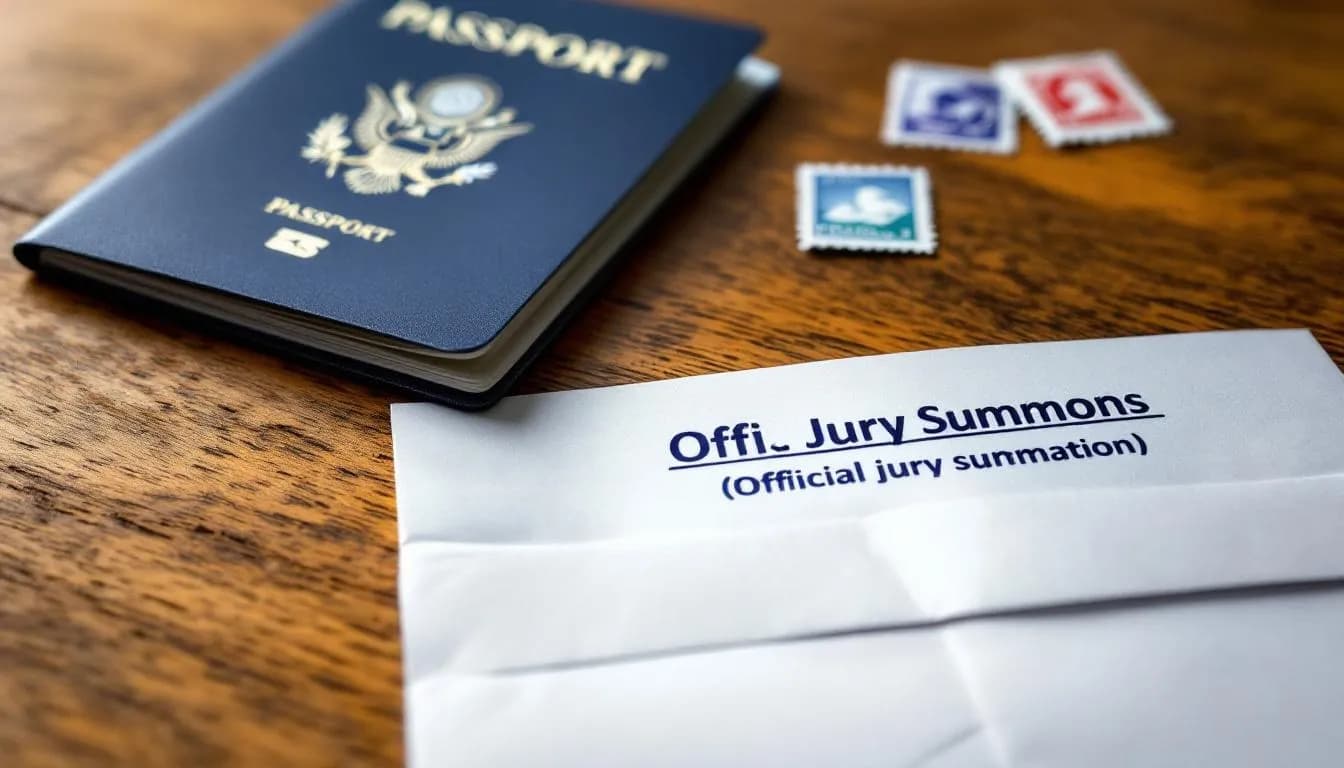
You're settled in Lisbon or Chiang Mai and a jury summons lands at your old U.S. address. Or it's an election year and you're not sure if your voter registration still holds. These aren't the fun parts of retiring abroad, but they come up - and the worst move is ignoring them.
The system wasn't built with expats in mind, but it does have answers. You just have to know where to look and what to send.
Jury Duty: You Can't Serve, But You Still Have to Respond
If you're living abroad full-time, you're generally not eligible to serve - federal and state courts require jurors to be residents of the jurisdiction. But you can't just toss the summons. Ignoring it can result in fines or a bench warrant, even if you're overseas.
You need to respond in writing and document why you're ineligible. Most courts handle this without any drama when you give them what they need.
- A letter explaining you're a full-time resident of another country
- A copy of your foreign visa or residence permit
- Proof of your foreign address - a utility bill or lease agreement works
- Your contact information in case the court has follow-up questions
Send your response via certified mail with return receipt requested, and keep copies of everything. Courts are reasonable when you respond clearly and on time - they just need documentation.
Voting: You Keep That Right
Living abroad doesn't affect your right to vote in U.S. federal elections. The Federal Voting Assistance Program (FVAP) exists specifically for this situation. You vote using your last U.S. address as your legal domicile, regardless of where you live now.
The Federal Post Card Application (FPCA) handles both your voter registration and absentee ballot request in one form. File it with your last state's local election office, and most states will let you receive your ballot by email.
- Register and get forms at FVAP.gov - it has state-specific instructions
- Submit at least 45 days before any election you want to vote in
- Most states require annual renewal - set a reminder
- Sign up for electronic ballot delivery if your state offers it
The Residency Contradiction (It's Not a Problem)
You might notice something that feels inconsistent: for jury duty, you're not a resident of your old state. For voting, you are. That's not a contradiction - it's just how U.S. law treats different civic obligations. You're not being dishonest by claiming both positions.
If you split time between the U.S. and another country - say, four months stateside and eight abroad - check with your county clerk. You may still qualify as a resident for jury duty purposes, which changes the calculation.
The System That Makes This Manageable
The real fix is having a reliable U.S. mailing address before anything official hits. A mail forwarding service that scans and emails your mail is worth every dollar - you'll know within days if something important arrives, instead of finding out months later.
- Use a mail forwarding service, not a P.O. box or a relative's address
- Check your scanned mail at least once a week
- Keep a digital file with your visa, proof of foreign address, voter registration, and any jury responses you've sent
- Respond to government correspondence before the stated deadline - always
None of this takes long once you've set it up. The only way it becomes a real problem is if you go silent. Communicate clearly, document everything, and your civic life back home won't interfere with your life abroad at all.
Ready for the next step?
Check out our country-specific guides to see exactly how to apply these steps in your dream destination.
Browse Country Guides