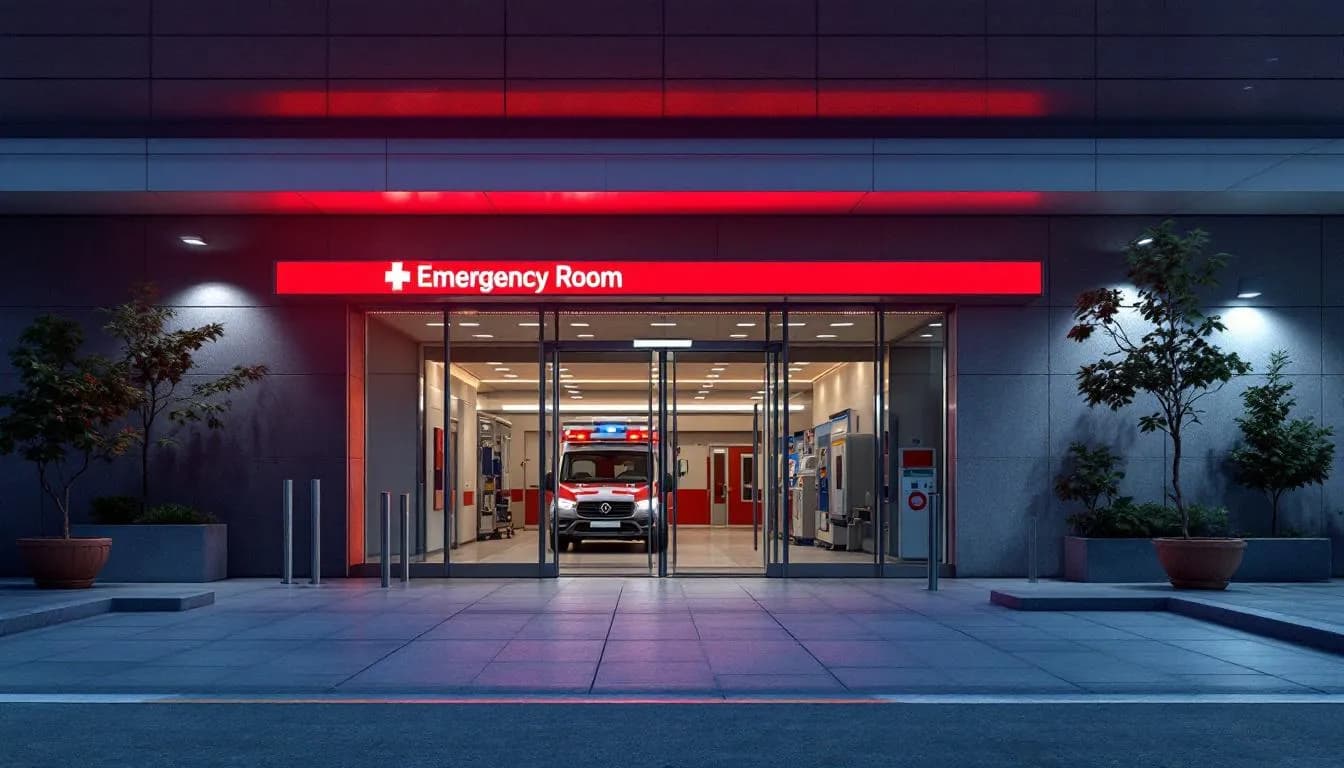
You're settling into retirement in Portugal or Thailand, and everything's going well. Then you wake up with chest pain, or slip on a wet tile, or notice symptoms that can't wait. In that moment, you won't have time to research how emergency services work in your new country.
The good news? Most popular retirement destinations have solid emergency care. The challenge is knowing how to access it and what to expect when you do.
Know Your Emergency Number Before You Need It
That's not 911 everywhere. In most of Europe, including Portugal, Spain, and France, it's 112. In Mexico, dial 911. Thailand uses 1669 for ambulances. The Philippines? 911 works there too.
Write down the local emergency number and keep it with your wallet and phone. Program it into your contacts. If you're living in a country where English isn't widely spoken, learn how to say "I need an ambulance" and "I need help" in the local language.
Save your embassy's emergency contact number in your phone. They can't provide medical care, but they can help you communicate with local authorities and contact family back home.
Public vs. Private Emergency Care
In countries with public healthcare systems like Portugal, Spain, and Thailand, the ambulance might take you to a public hospital first. These facilities handle trauma and emergencies well, but you may face language barriers and longer waits for non-critical cases. Public emergency care in Portugal and Spain is accessible to legal residents, often at no immediate cost.
Many expats carry private insurance that covers treatment at private hospitals, where you'll find more English-speaking staff and shorter waits. Thailand and Malaysia are known for excellent private hospitals that cater to international patients. Your insurance card should list preferred facilities.
- Keep your insurance card and policy number accessible at all times
- Know which hospitals your insurance covers before an emergency
- Carry a list of your medications, allergies, and conditions in English and the local language
- Have emergency contacts programmed into your phone under "ICE" (In Case of Emergency)
What Happens at the Hospital
Expect to show identification and insurance information, though most hospitals will treat you first and sort out payment later in genuine emergencies. In public systems, you might wait hours for non-urgent issues. Private hospitals typically move faster but require payment confirmation upfront.
If you're hospitalized, your insurance company needs to know immediately. Most policies require notification within 24-48 hours. The hospital's billing department can help you contact them. Keep all receipts, medical reports, and documentation for your insurance claim.
When You Need Medical Evacuation
Standard health insurance rarely covers medical evacuation to another country or back to the U.S. That's where specialized evacuation coverage comes in. Companies like Medjet and Global Rescue offer membership plans starting around $300-400 per year that will transport you to a facility of your choice if local care isn't adequate.
Medical evacuation can cost $50,000 or more out of pocket. If you're living in a country with limited healthcare infrastructure or far from major cities, evacuation coverage makes sense. Countries like Thailand, Malaysia, Mexico, and European nations generally have strong enough healthcare that evacuation is rarely necessary.
Ready for the next step?
Check out our country-specific guides to see exactly how to apply these steps in your dream destination.
Browse Country Guides