Back home, you had the electric company's number saved and a plumber you trusted. Abroad, those same tasks take a little more legwork - especially in the first few months.
The good news: once you've got your systems in place, managing utilities and maintenance is usually cheaper and no harder than it was in the U.S. Here's what to expect.
Setting Up Utilities
Most landlords will walk you through this - it's in their interest too. You'll typically need to open accounts in your own name for electricity, water, gas, and internet. The same documents come up again and again: passport, lease agreement, and proof of a local bank account.
- Ask your landlord for step-by-step instructions - they've done this before
- Keep all utility account numbers and customer service contacts in one document
- Set up automatic payments so bills don't slip when you're traveling
- Request English-language bills if available - many companies in expat-heavy cities offer this
Some countries require security deposits for utilities - sometimes several months' worth. Budget for this upfront, especially if you're setting up electricity, water, and internet all at once.
Internet and Phone Service
Internet quality varies a lot by country and location. Thailand and Vietnam have solid infrastructure. Portugal and Spain are reliable in cities but inconsistent in rural areas. Mexico is hit or miss depending on your neighborhood. Always test speeds before committing to a long-term rental if a strong connection matters to you.
For phone service, start with a prepaid SIM card. Pick one up at any convenience store or phone shop, top it up as needed, and switch providers without penalty. Once you're settled, a monthly plan usually offers better rates.
- Ask neighbors which internet provider they use - and whether they'd recommend them
- Keep your U.S. number active for two-factor authentication; Google Voice works well for this
- Budget $30–70/month for internet in most countries, often less in Southeast Asia
Finding Reliable Maintenance Help
Expat Facebook groups and local forums are genuinely useful here. Post asking for recommendations when something breaks - you'll get multiple names, honest pricing feedback, and warnings about who to avoid.
Building a short list of trusted people - a handyman, an electrician, a plumber - takes a few months. Start collecting names from day one, and when you find someone good and fairly priced, hang onto that contact.
Take photos of the problem before you call anyone. Translation apps work better with images, and it helps make sure the right person shows up with the right tools.
Repair costs in lower cost-of-living countries are often a fraction of U.S. rates. A plumber in Mexico or the Philippines might charge $20–30 for a job that runs $200 back home. In Portugal or Spain, expect prices closer to U.S. levels - but still generally reasonable.
Know What Your Lease Actually Covers
Before you sign anything, get clear on who handles what. In some countries, landlords cover all repairs. In others, minor fixes are on you. Don't assume - ask directly and get the answers in writing.
- Who pays if the water heater breaks or the refrigerator stops working?
- Are you responsible for yard or garden upkeep if there's outdoor space?
- Who handles pest control?
- What's the process for getting repairs approved and reimbursed?
When there's a language barrier, misunderstandings about maintenance responsibilities are common. Add an addendum to your lease if needed - it's worth the extra step.
Dealing With Bills You Can't Read
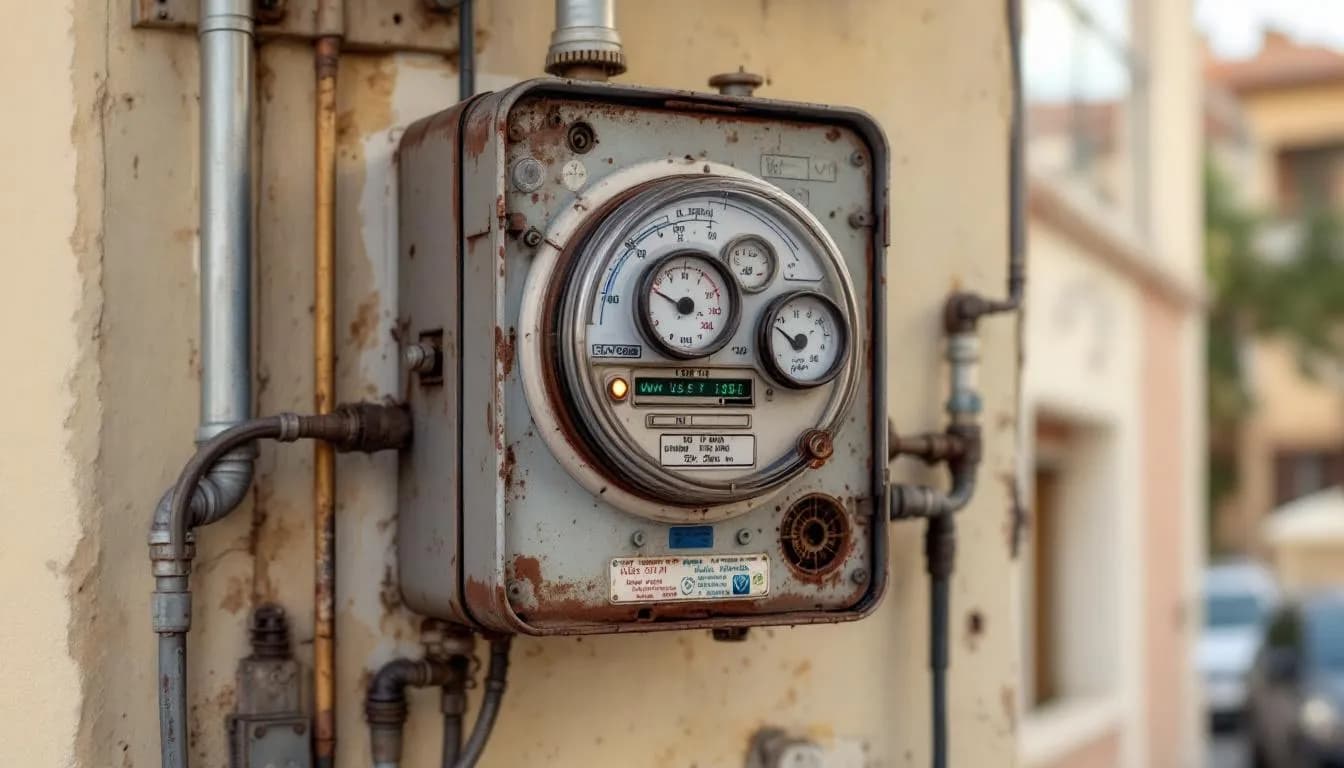
Utility bills come loaded with technical terms and abbreviations that trip up even native speakers. Use your phone's camera translation feature to scan them - you mostly just need the amount due and the due date.
Most utility companies offer apps or online portals for viewing bills and making payments. Set these up early, even if you need a local friend to help with registration. Once you're in, the monthly routine gets much simpler.
Watch your first few bills closely to catch errors or unexpected charges. Once you know what normal looks like, monthly utility management becomes routine fast.
Ready for the next step?
Check out our country-specific guides to see exactly how to apply these steps in your dream destination.
Browse Country Guides