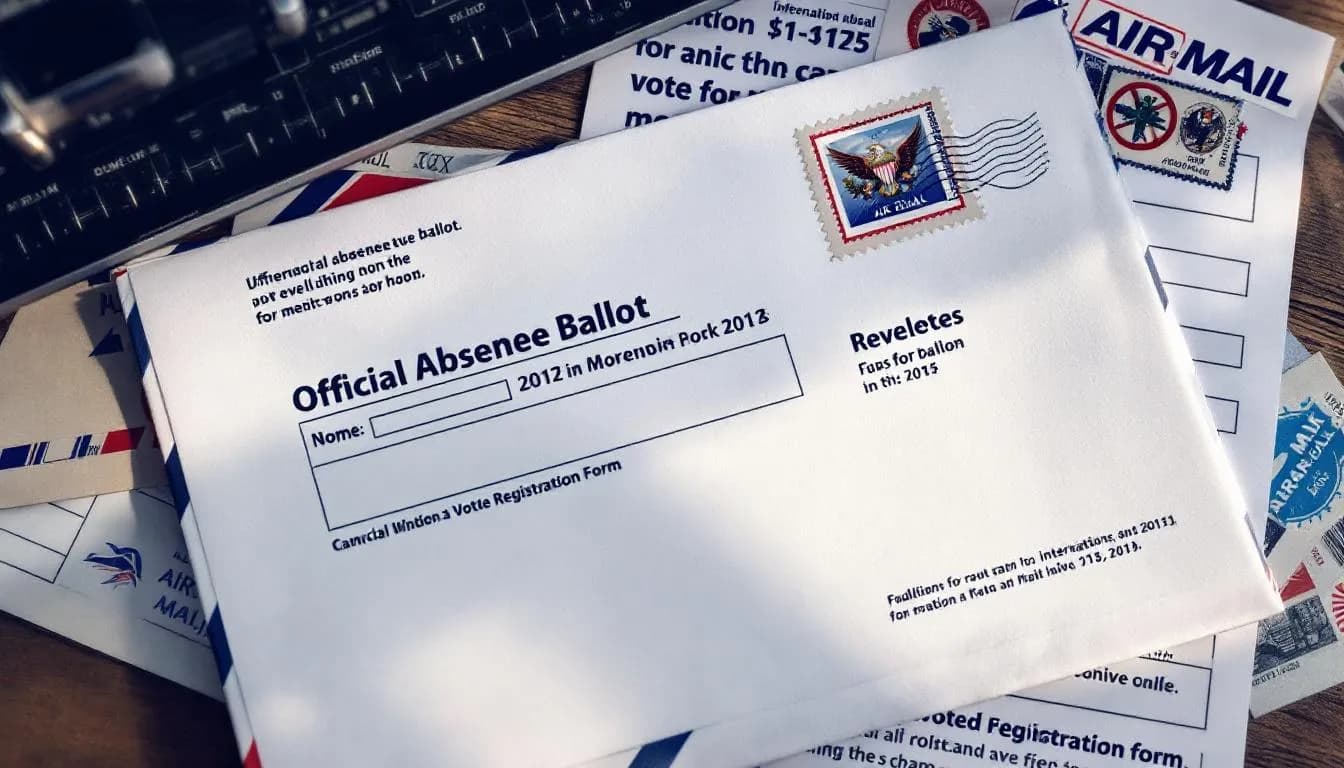
When you're researching where to retire abroad, most articles focus on cost of living and beaches. But here's what they don't tell you: the bureaucracy can make or break your experience. I'm talking about visa renewals, residency permits, bank account requirements, property ownership rules, and the general pain of dealing with government offices in a foreign language.
Let's look at which countries actually make it easy for American retirees to settle in — and which ones will test your patience.
The Straightforward Winners
These countries have streamlined processes specifically designed for retirees. You'll still need paperwork, but it's manageable.
Panama
Panama's Pensionado Visa is one of the most straightforward retirement visas you'll find. You need proof of $1,000 monthly income from Social Security or a pension, and you're basically done. The visa costs around $2,000 and gives you two years of residency that's renewable. Panama also uses the US dollar, so you won't deal with currency exchanges or confusing bank conversions.
Foreigners can own property outright here. No weird trusts or corporate structures needed. The path to permanent residency takes just two years.
Ecuador
Ecuador's Retirement Visa requires about $1,350 monthly income and costs around $1,500 to process. What makes it easier than most? They've got a dedicated retirement visa category, and the requirements are crystal clear. You can reach permanent residency in three years.
The country also uses the US dollar, and foreigners can own property without restrictions. English-speaking lawyers and facilitators are common in expat hubs like Cuenca, so you're not handling the system alone.
Mexico
Mexico's Temporary Resident Visa based on economic solvency requires about $2,800 monthly income. That's higher than some countries, but the process is well-established with clear steps. The visa costs around $250 and lasts 1-4 years.
Mexico's big advantage? Proximity to the US makes it easy to handle paperwork at consulates back home. Four years gets you permanent residency, and you can own property in most areas without complications.
Mexico's coastal restricted zones require a bank trust (fideicomiso) for property ownership near beaches, adding one extra step — but it's a well-worn path with clear legal procedures.
The Middle Ground
These countries aren't terrible, but expect more hoops to jump through.
Portugal
Portugal's D7 Passive Income Visa requires about $930 monthly income and costs around $400. The challenge isn't the requirements — it's the waiting. Processing times can stretch months, and you'll need documents apostilled, translated, and authenticated.
You can reach permanent residency in five years and citizenship in five years after that. Dual citizenship is allowed. Property ownership is straightforward for foreigners. The bureaucracy isn't hostile, just slow.
Thailand
Thailand offers two retirement visa options: the Non-Immigrant O-A requiring about $1,900 monthly income and costing $200 for one year, or the O-X costing $400 for up to 10 years. Sounds simple until you dig into the details.
You'll need health insurance from Thai-approved companies. Annual reporting is mandatory. Property ownership is restricted — you can own a condo unit but not land. The visa process itself is manageable, but long-term residency and citizenship paths are difficult. Expect to stay on visa extensions indefinitely.
Costa Rica
Costa Rica's Pensionado Visa requires $1,000 monthly pension income and costs about $2,000. The paperwork is extensive — birth certificates, marriage certificates, police background checks, all apostilled and translated. Expect several months for approval.
You can own property freely, and permanent residency comes after three years. The system works, but it's not quick.
The Bureaucratic Nightmares
These countries have great qualities, but the administrative burden is real.
Italy
Italy's Elective Residence Visa requires about $2,600 monthly income and costs around $130. But here's the reality: Italian bureaucracy is legendary for a reason. Expect multiple trips to different offices, documents that expire before you can use them, and contradictory information from different officials.
Property ownership is allowed, and you can reach permanent residency in five years. But getting there requires patience and probably a good immigration lawyer.
Spain
Spain's Non-Lucrative Visa needs about $2,600 monthly income and costs $160. The paperwork is extensive — proof of income, proof of health insurance, proof of accommodation, criminal background check, medical certificate, and more. Everything must be recent, apostilled, and translated.
Regional variations add confusion — Catalonia might want different documents than Andalusia. Property ownership is straightforward, and permanent residency comes after five years. Just brace yourself for the initial process.
Malaysia
Malaysia's MM2H program recently overhauled its requirements, creating confusion. The federal program now requires $9,600 monthly income and costs $1,200. Sarawak's version is more accessible at $2,000 monthly income for $500, but you're limited to that state.
Property ownership is restricted with minimum purchase prices. The path to permanent residency takes 10 years, and the program keeps changing rules. Many long-term expats have been caught off guard by requirement shifts.
When visa programs change requirements frequently, it's a red flag. You're building your retirement on shifting ground.
What Actually Matters
Look beyond the initial visa requirements. Here's what separates the easy countries from the headaches:
- Clear, published requirements that don't change constantly
- Established expat communities with experience handling the system
- English-speaking lawyers and facilitators available
- Reasonable paths to permanent residency (3-5 years is standard)
- Property ownership allowed for foreigners
- Banking access for foreigners without excessive documentation
- Annual renewal processes that don't require starting from scratch
Countries using the US dollar (Panama, Ecuador) eliminate one administrative headache entirely. No currency restrictions, no foreign exchange reporting, no confusing bank statements.
Making Your Choice
Don't pick a retirement destination based solely on bureaucracy — but don't ignore it either. The countries with the smoothest processes tend to be those with established retirement visa programs and large expat communities.
If you have limited patience for administrative hassles, stick with Panama, Ecuador, or Mexico. If you're willing to deal with more complexity for access to European healthcare and residency rights, Portugal is manageable. Spain and Italy reward persistence, but they'll test you.
Whatever you choose, budget time and money for professional help. A good immigration lawyer in your target country isn't an expense — it's an investment in your sanity.
Ready for the next step?
Check out our country-specific guides to see exactly how to apply these steps in your dream destination.
Browse Country Guides