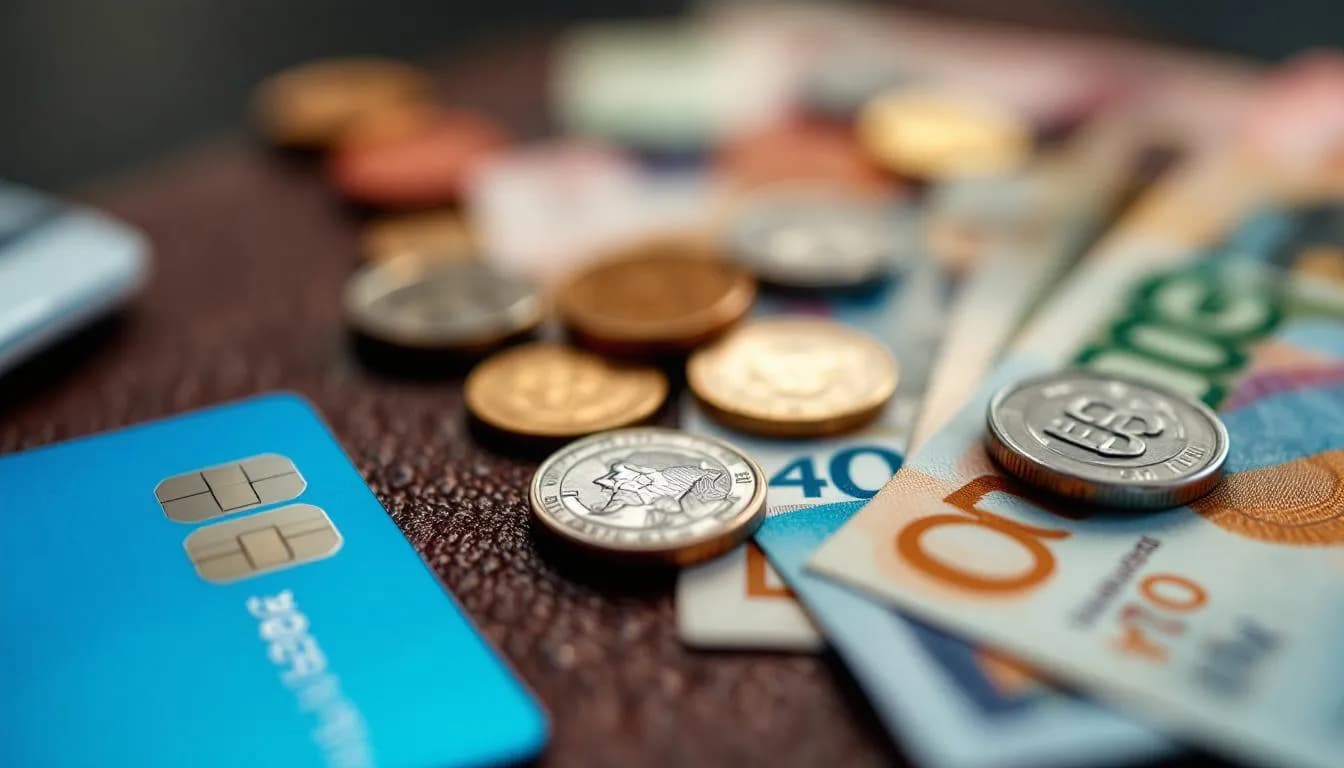
Every country handles money differently. Cards work almost everywhere in Portugal. Cash runs daily life in rural Thailand. Ecuador's a mix. Move abroad without a plan and you'll lose more money to fees than you expect - and probably get a card frozen at the worst possible moment.
A few straightforward moves before you leave will cover 90% of your daily money needs. Here's what actually works.
Credit Cards: Get the Right One Before You Go
Credit cards are your safest option for larger purchases - fraud protection, solid exchange rates, and your checking account stays untouched. The catch: most standard cards tack on a 3% foreign transaction fee to every purchase. That adds up faster than you'd think.
Chase Sapphire, Capital One Venture, and several others waive foreign transaction fees entirely. Check what your current cards charge before assuming you're covered. If they charge fees, get a new card before you leave.
Call your credit card companies before you move and tell them you'll be living abroad permanently. If you don't, routine grocery runs will look suspicious and they'll freeze your card - often at the worst time.
Cards aren't universal. Smaller shops and local restaurants in Thailand, Mexico, and the Philippines often prefer cash. Portugal and Slovenia are far more card-friendly. Know your destination before assuming you can tap your way through daily life.
ATMs: Convenient, but the Fees Stack Up
You'll need cash, which means ATMs. Fees hit from multiple directions: your U.S. bank's foreign ATM fee, the local ATM operator's fee, and the exchange rate markup. It's easy to lose $10–15 on a single withdrawal if you're not set up right.
- Open a checking account that refunds ATM fees - Charles Schwab and Fidelity both do this.
- Withdraw larger amounts less often to cut per-transaction costs.
- Always decline dynamic currency conversion when the ATM asks. Choose local currency and let your bank handle the rate.
- Check if your U.S. bank has partner banks abroad - some waive fees entirely for in-network withdrawals.
In Eurozone countries like Portugal, Spain, and Slovenia, ATMs often cap withdrawals at €200–400 per transaction. Plan ahead if you need a larger amount for rent or a deposit.
Cash Is Still Essential in Many Countries
In Mexico, the Philippines, Thailand, and much of Latin America, cash is how daily life runs outside major cities. Taxis, markets, small restaurants, tips - often cash only. Some landlords prefer it too.
Most retirees keep a week or two of expenses in a home safe and withdraw more as needed. Don't carry more than you need for the day. In higher-crime areas, be even more conservative about what's in your wallet.
Opening a Local Bank Account
You don't need a local account on day one. But after you've settled in, one makes life easier - paying utilities, receiving local income, and cutting down on constant conversion fees. Most long-term expats eventually open one.
- Wait until you have your residency visa - tourist visa holders often can't open accounts.
- Bring multiple forms of ID, proof of address, and expect some paperwork.
- Ask local expats which banks are most foreigner-friendly in your specific area.
- Keep your U.S. account open regardless - you'll need it for Social Security, pensions, and other U.S.-based income.
The Setup Most Expat Retirees Land On
The combination that works for most people: a no-fee checking account for ATM withdrawals, one or two credit cards with no foreign transaction fees for larger purchases, and local cash on hand for daily expenses. After a year or so, many add a local bank account.
Don't try to figure it all out before you leave. Start with the basics and adjust once you're on the ground. What works in Costa Rica won't necessarily work in Poland - every country has its quirks.
Store digital and physical copies of all your bank and credit card contact numbers somewhere you can access easily. If a card gets lost or stolen abroad, you need to reach someone fast - not spend 20 minutes hunting for a phone number.
Ready for the next step?
Check out our country-specific guides to see exactly how to apply these steps in your dream destination.
Browse Country Guides