You've already run the numbers. But settling in isn't just about affordability — it's about whether daily life feels manageable in the first few months. The bus makes sense, the pharmacy is a short walk, and you're having real conversations with neighbors before you expected to.
That ease isn't luck. It comes from a few concrete factors. Here's what actually moves the needle.
English Proficiency: More Than Just Ordering Coffee
How much English surrounds you shapes your entire first year. High proficiency — meaning you'll find English speakers in banks, clinics, and government offices — shows up in Portugal, Malaysia, the Philippines, Poland, and Slovenia.
Spain, Italy, and France sit at moderate proficiency. You'll manage fine in cities, but smaller towns get trickier. Thailand, Mexico, Panama, and Costa Rica rank low — which doesn't rule them out, but means you'll lean harder on translation apps and bilingual expat communities early on.
High English proficiency speeds up more than errands — it helps with healthcare conversations, legal paperwork, and making friends. The confidence that comes with being understood is easy to underestimate until you don't have it.
Internet and Getting Around
Reliable internet matters more than most retirees expect before they move. You're not just streaming — you're managing U.S. bank accounts, handling Social Security paperwork, and video calling family. Thailand, Vietnam, Portugal, Poland, Spain, France, Japan, and Colombia all have excellent internet. Malaysia, Panama, and Costa Rica are solid. Mexico rates poor, which is worth taking seriously.
- Excellent internet: Thailand, Vietnam, Portugal, Poland, Spain, France, Japan, Colombia
- Good internet: Malaysia, Panama, Costa Rica
- Moderate internet: Italy, Philippines, Slovenia, Ecuador
- Poor internet: Mexico
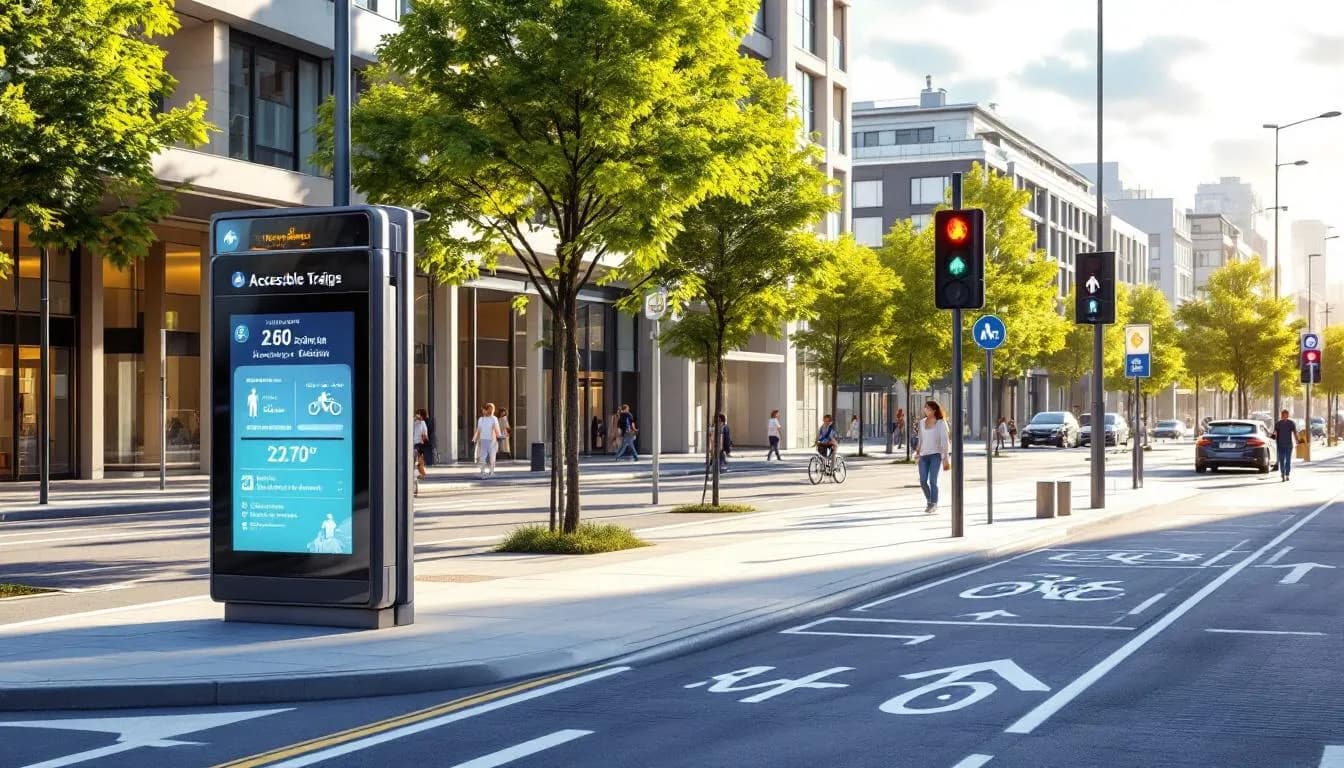
Public transit is the other piece. In Japan, Portugal, and Spain, you can live well without a car — buses and trains run on time and apps make getting around straightforward. In Costa Rica and parts of Mexico, you'll likely need a car or depend on taxis, which adds cost and daily complexity.
Walkability and Daily Independence
Can you walk to the pharmacy, grocery store, and a cafe without coordinating a whole trip? In European cities like Lisbon and Ljubljana, and walkable neighborhoods in Japan or Cuenca, Ecuador — yes. No car means no insurance, no parking headaches, and one less thing to figure out.
Many parts of Mexico, Costa Rica, and Panama are more spread out. You might love where you live, but reaching services usually means driving or arranging rides. That's fine if you're comfortable behind the wheel in a new country — just be honest with yourself about whether it adds friction.
Safety and Political Stability
Slovenia, Portugal, Japan, Poland, and Vietnam all carry a U.S. State Department Level 1 advisory — the lowest risk rating. Thailand, Spain, Mexico, the Philippines, Panama, Costa Rica, Ecuador, Italy, and France are Level 2, meaning exercise increased caution in certain areas but generally safe for expats.
Colombia sits at Level 3 (Reconsider Travel), mainly due to specific regions. That hasn't stopped expats from living comfortably in Medellín or Bogotá — but you need to research neighborhoods carefully and stay current on local conditions.
Check travel.state.gov before you commit to a country. A Level 1 or 2 rating doesn't mean zero crime, but it signals fewer systemic risks to daily life.
Expat Communities: The Unofficial Support System
Portugal, Mexico, Panama, Costa Rica, Ecuador, and Thailand all have long-established American retiree communities. That means active Facebook groups, English-speaking doctors familiar with U.S. insurance, and neighbors who've already worked through the local bureaucracy so you don't have to.
Slovenia, Poland, Vietnam, and Colombia have smaller expat populations. You'll still meet people, but there's less of a ready-made network. Some retirees prefer that — it pushes you to integrate more fully. Others find it isolating in the first few months. Know which camp you're in before you choose.
- Do you need to handle banking and healthcare in English, or are you willing to pick up enough of the local language?
- Can you live comfortably without a car, or does that feel too limiting?
- Do you want an established expat community nearby, or would you rather build something more local?
- How much does fast, reliable internet affect your daily routine?
Getting clear on what actually helps you feel grounded — language, infrastructure, community, or independence — will tell you more about where to retire than any cost-of-living chart.
Ready for the next step?
Check out our country-specific guides to see exactly how to apply these steps in your dream destination.
Browse Country Guides