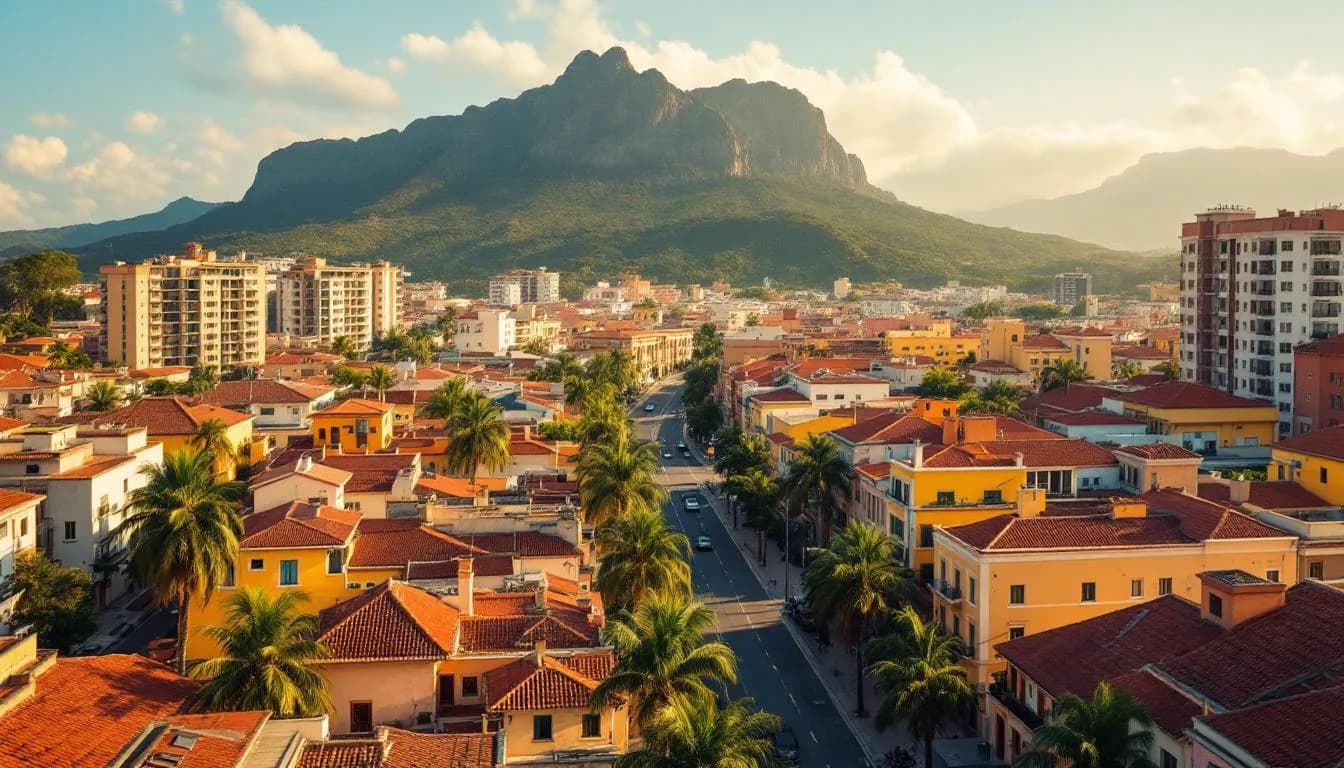
Southeast Asia and Latin America both check the big boxes—low cost of living, warm weather, expat communities. But beyond that, they're very different retirement destinations. The culture shock, language requirements, time zone gap, and even how you'll access healthcare all point in different directions depending on which region you choose.
This isn't a close call for most people. Once you look at the specifics, one region usually fits your situation better than the other.
Cost of Living: The Real Numbers
Southeast Asia is cheaper across the board. The Philippines comes in at around $354/month for a one-bedroom in the city, $155 for groceries, and $65 for dining out. Vietnam is similar—$403 for rent, $150 for groceries. Thailand runs a bit higher at $500/month for rent, but you get strong infrastructure and excellent healthcare for that price.
Latin America has more spread. Ecuador is the budget option at $381/month rent and $140 for groceries. Colombia sits around $485 for rent. Mexico comes in at $746—still affordable by U.S. standards, but noticeably more expensive than the cheapest Southeast Asian options. Panama is the priciest at $988/month, closer to Southern Europe than Southeast Asia.
Ecuador and Panama both use the U.S. dollar. No exchange rate math, no currency risk—what you budget is what you spend.
Healthcare: Quality, Access, and Cost
Thailand and Malaysia are the standouts in Southeast Asia—modern private hospitals, English-speaking doctors, and health insurance that runs around $100–150/month. The Philippines adds another advantage: English is an official language, so there's no translation issue at the hospital.
Vietnam's healthcare is improving but rates adequate rather than excellent. For serious conditions, many expats there travel to Bangkok or Singapore.
In Latin America, Colombia leads on healthcare quality—Medellín and Bogotá have top-rated private hospitals and insurance around $100/month. Mexico and Costa Rica are solid, with English-speaking doctors in major expat areas. Ecuador's care is adequate in Cuenca and Quito, thinner outside those cities.
Medicare doesn't cover you outside the U.S. in either region. Budget for private international health insurance before you move.
Language, Time Zones, and Staying Connected
This is where the regions diverge most sharply. The Philippines and Malaysia have high English proficiency—you can handle banking, healthcare, and daily errands without learning the local language. Thailand and Vietnam are a different story: low to moderate English proficiency means you'll need to pick up basics to manage day-to-day life comfortably.
Latin America is largely Spanish-speaking, and English proficiency outside major expat enclaves is low. You don't need to be fluent before you move, but expect to put in real effort. The trade-off: Latin America stays within a few hours of U.S. time zones (UTC-5 to UTC-6). Southeast Asia is nearly opposite—when it's morning there, it's evening back home. If staying close to family or managing U.S. accounts matters, that gap is real.
- Philippines: English is an official language — easiest adjustment in Southeast Asia
- Malaysia: High English proficiency in cities
- Thailand and Vietnam: Expect a language learning curve
- All of Latin America: Spanish fluency will make or break your daily life
- Latin America: 1–3 hours from U.S. Eastern time
- Southeast Asia: 11–13 hours ahead — opposite schedule from the U.S.
Visas and Residency: What's Required
Southeast Asia has some strong retirement visa options—but income requirements vary a lot. Thailand's retirement visa needs $1,900/month in income and costs $200, renewed annually. Malaysia's federal MM2H program now requires $9,600/month, though the Sarawak version only needs $2,000/month. The Philippines SRRV is indefinite (no annual renewal) at $1,500 with an $800/month income requirement for pensioners.
Latin America generally sets the bar lower. Ecuador's retirement visa requires just $400/month. Panama's Pensionado Visa needs $1,000/month and costs $2,500. Mexico's Temporary Residence Permit also requires $1,000/month and costs $100. Colombia's retirement visa sits at $1,100/month.
If eventual citizenship is on your radar: Thailand, Malaysia, and Vietnam don't allow dual citizenship. The Philippines, Mexico, Ecuador, Colombia, and Panama all do.
Which Region Is Right for You?
Southeast Asia makes sense if you want the lowest possible cost of living, excellent healthcare in Thailand or Malaysia, and you're either fine with English (Philippines) or willing to learn a new language. Heat and humidity are non-negotiable there—every country in the region runs 84–93°F year-round with extended rainy seasons.
Latin America is the better fit if you want to stay closer to U.S. time zones, prefer climate variety (Ecuador's highlands stay around 67–74°F year-round), plan to learn Spanish, or want easier flights home. Ecuador and Mexico offer the most established expat communities on a budget. Panama gives you U.S. dollars and a straightforward residency path.
Neither region is wrong. They just suit different retirement lifestyles. If you're unsure, spend a month in each before committing. Reading about it only gets you so far.
Ready for the next step?
Check out our country-specific guides to see exactly how to apply these steps in your dream destination.
Browse Country Guides