Most people researching retirement abroad obsess over the numbers - monthly budget, healthcare costs, visa income thresholds. That's the right instinct. But there's a layer underneath all of that which doesn't show up in spreadsheets: how does this place actually feel to live in day after day?
The layout of a city, the climate, when stores open, how easy it is to walk somewhere - all of it shapes your routine in ways you won't notice until you're already there. Getting this right matters just as much as hitting your budget targets.
Climate Runs Your Schedule More Than You'd Think
Weather doesn't just affect comfort - it determines when you go out, what you do, and how much time you spend inside. In tropical places like Thailand or Panama, afternoon downpours become part of daily planning. You schedule errands for mornings, carry an umbrella everywhere, and get used to air conditioning being non-negotiable.
Mediterranean climates are different. Portugal's mild seasons - highs around 82°F in summer, around 63°F in winter - make outdoor activity comfortable year-round. That flexibility changes how spontaneous your days can be.
- Hot, humid climates push activity to early morning or evening
- Mild climates allow flexible scheduling and more impromptu outings
- Rainy seasons shift social patterns - more indoor plans, fewer spontaneous walks
- Cold winters require heating budget planning and affect how often you venture out
Don't stop at average temperatures. Check humidity levels and rainy season timing. A place that's 85°F with low humidity feels completely different than the same temperature in the Philippines or Malaysia, where humidity makes the heat feel oppressive.
Getting Around Shapes How Much You Explore
In cities with solid public transit, you naturally range further. Bangkok's transit options run around $37/month. Poland's major cities offer passes around $35/month. When getting across town costs almost nothing and takes 20 minutes, you take classes in new neighborhoods, meet friends in different districts, and discover markets you'd never find otherwise.
Car-dependent areas pull you in the opposite direction. You consolidate errands, plan ahead, and tend to stick close to home. That's not necessarily a problem - but it's a real difference in how your days unfold. Walkability matters more than most people expect before they move.
Neighborhood Layout Affects Your Social Life
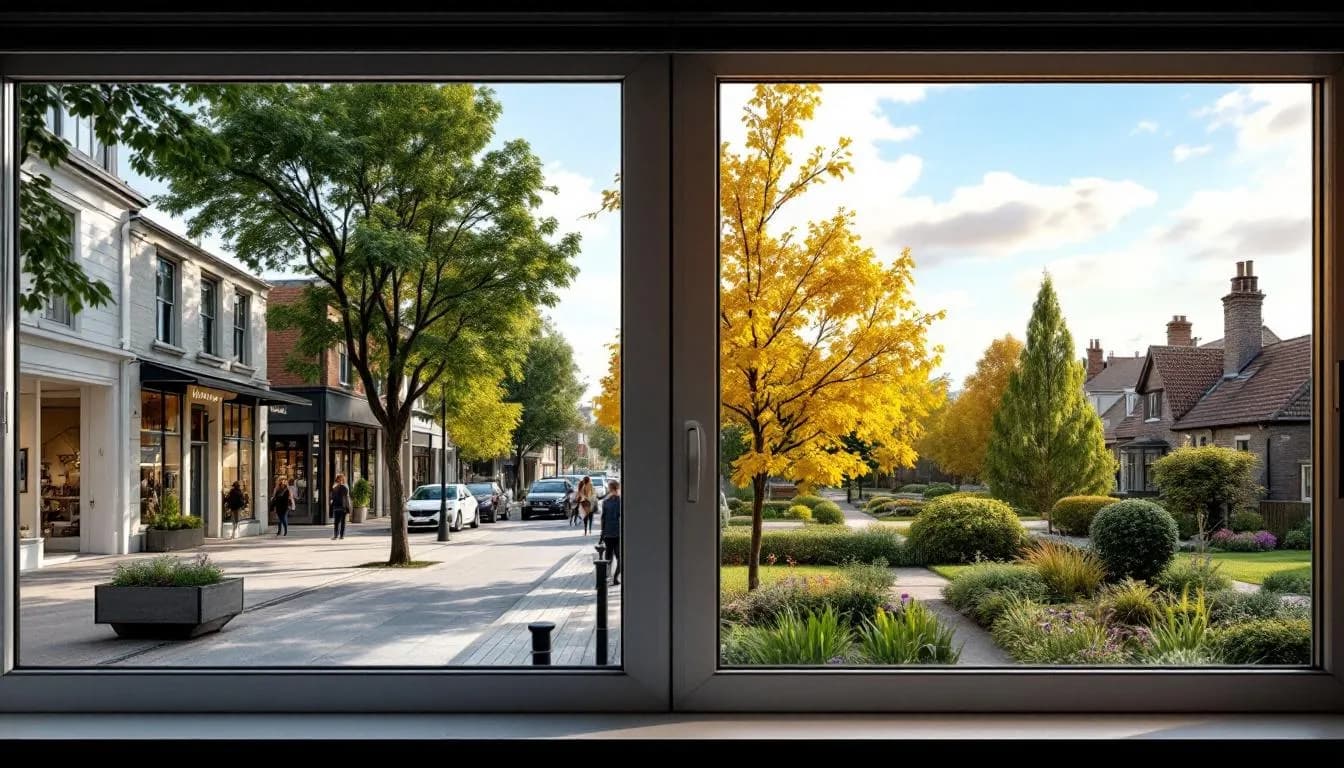
Dense, walkable neighborhoods with shops and cafes at street level create accidental community. You see the same faces, get to know shopkeepers, bump into acquaintances. It happens without effort. Gated communities and suburban layouts don't offer that - social connection there requires planning: joining a club, organizing a dinner, scheduling in advance.
- Extroverts tend to thrive in walkable, mixed-use neighborhoods with natural gathering spots
- Introverts may find constant neighbor interaction draining - more space can be a relief
- Expat-heavy areas have built-in social infrastructure but can feel insular
- Local neighborhoods offer deeper integration but require more language and patience
Local Rhythms Take Some Adjustment
Every country runs on its own schedule. Spanish businesses close mid-afternoon. Thai markets are busiest at dawn. Sunday hours vary wildly across Europe. You'll adapt - most retirees do - but understanding what you're stepping into helps you decide whether it's a fit or a friction point.
Meal timing alone shifts your whole day. In Ecuador, lunch is the main meal, served early afternoon. In much of Europe, dinner starts later than Americans are used to. That changes when you're hungry, when restaurants are actually open, and when social invitations happen.
The best way to test this: spend a few days running real errands - grocery shopping, doing laundry, refilling a prescription. See how the pace feels when you're maintaining a household, not sightseeing. That's the version of life you're actually signing up for.
Match the Place to What You'll Actually Do All Day
Think concretely about your daily life, not just the highlight reel. Do you plan to hike regularly? You need trails nearby and gear shops within reach. Want art or language classes? Check whether there's actually a cultural scene to plug into.
- Active lifestyle: prioritize walkable cities, access to nature, outdoor culture
- Cultural interests: look for cities with museums, live music, language exchange groups
- Homebodies: focus on comfortable housing, reliable internet, good delivery options
- Social retirees: find places with active expat communities or easy ways to meet locals
You can love how a city looks and still be miserable living there if the daily reality doesn't match how you want to spend your time. Three days of normal routine - not tourism - will tell you more than any amount of research.
Ready for the next step?
Check out our country-specific guides to see exactly how to apply these steps in your dream destination.
Browse Country Guides